Island Hopping in Hawaiʻi: Dos, Don’ts, and Money Saving Tips

Island hopping in Hawaiʻi sounds like pure magic—hopping from one paradise to the next in under an hour, chasing waterfalls on Kauaʻi one day and volcanoes on the Big Island the next. But after planning half a dozen multi-island trips myself and hearing stories from friends who live here, I can tell you it’s not quite the effortless postcard fantasy. It takes smart planning to avoid turning your dream vacation into a stressful airport shuffle. Done right, though, it’s the best way to experience the incredible diversity of these islands without blowing your budget. In this guide, I’ll walk you through exactly how to do it, what to skip, and the real-world hacks that have saved me and my travel buddies hundreds of dollars.

What Is Island Hopping in Hawaiʻi and Why Consider It?

Island hopping means flying (or occasionally ferrying) between the main Hawaiian islands during one trip instead of sticking to just one. Most visitors focus on the four big ones—Oahu, Maui, Kauaʻi, and the Big Island—because they offer wildly different vibes, landscapes, and activities. You get city energy and history on Oahu, luxury beaches and Road to Hana drama on Maui, rugged cliffs and hikes on Kauaʻi, and active volcanoes plus black-sand shores on the Big Island. It’s perfect if you crave variety and want to say you truly “did” Hawaiʻi. The flights are short, but the real trick is making the logistics work without wasting half your days in security lines.

The Pros and Cons of Island Hopping

Pros include seeing four distinct Hawaiʻis in one vacation, which feels like getting four trips for the price of one. You avoid island fatigue by mixing beach days with volcano treks, and logical pairings (like Oahu to calmer neighbor islands) keep the flow relaxing. Many travelers say it gives a fuller picture of Hawaiian culture and nature.

Cons hit hard if you’re not prepared: each hop eats up half a day with packing, shuttles, airports, and car rentals. Costs add up fast with extra flights, bag fees, and short-term stays. If your trip is under 10 days, you’ll feel rushed and miss the deep “aloha” immersion that comes from slowing down on one island. Overdoing it can leave you exhausted rather than recharged.

Comparing the Four Main Islands for Hopping

Here’s a quick side-by-side to help you decide which combos make sense for your style and budget:

IslandVibeTop Free/Cheap ActivitiesBest ForTypical Stay NeededInter-Island Flight Cost (One-Way, Booked Early)
OahuBustling, urbanWaikiki Beach, Diamond Head hike, bus ridesFirst-timers, history4–6 days$39–$99
MauiLuxe beaches & roadsRoad to Hana viewpoints, free snorkel spotsRomance, adventure4–5 days$40–$110
KauaʻiRugged, greenWaimea Canyon, Na Pali Coast overlooksNature lovers4–5 days$45–$120
Big IslandVolcanic, diverseVolcanoes National Park entry, black sandsAdventurers, families5–7 days$39–$99

Prices are approximate based on 2025–2026 Southwest and Hawaiian Airlines deals when booked 3–6 months ahead; actual fares fluctuate.

Best Time to Island Hop and How to Build Your Itinerary

Aim for shoulder seasons like April–May or September–October when crowds thin, flights drop to $39–$70 one-way, and hotel rates dip 20–30%. Avoid Christmas, spring break, and summer peaks unless you love paying premium prices. A solid 10–14 day trip lets you do two or three islands comfortably—any less and you’re better off on one. Start on Oahu if flying in from the mainland (cheapest entry point), then move to calmer spots. Give each island at least four full days so you’re not just checking boxes. I once crammed four islands in 11 days and swore never again—the constant repacking killed the vibe.

Sample 10-Day Itinerary That Actually Works

Days 1–4: Land in Honolulu, explore Oahu (Pearl Harbor, North Shore beaches).
Days 5–7: Morning flight to Maui for Haleakalā sunrise and beach time.
Days 8–10: Hop to Kauaʻi or Big Island, then fly home from there to save a leg.

This route minimizes backtracking and keeps airport days to a minimum.

Choosing Airlines: Hawaiian, Southwest, or Mokulele?

Three carriers handle almost all hops: Hawaiian Airlines (most routes, reliable), Southwest (often cheapest fares plus two free checked bags for everyone), and Mokulele (prop planes for smaller islands like Molokaʻi or Lānaʻi—scenic but bumpier). Book direct flights only; layovers on the mainland are never worth the savings. Southwest wins for budget travelers right now, especially if you grab their $39–$99 one-ways by booking midweek and 3–6 months out. Hawaiian feels more “local” with better legroom on longer hops. Always compare both on Google Flights the day you lock in your mainland ticket.

Dos: Smart Habits That Make Island Hopping Enjoyable

Do book every inter-island flight the same day you book your big trip—fares only go up. Pack light with a carry-on and personal item to dodge bag fees that can hit $30–$40 per checked bag on Hawaiian. Rent cars only on the islands where you need them (Oahu’s bus system is surprisingly good and cheap). Download the Hawaiian Airlines or Southwest app for real-time gate info and flexible change options. Most importantly, build in buffer days between hops so you’re not racing from the beach to the airport. A buddy once saved $400 just by flying mid-morning instead of rush-hour commuter slots.

Respect Local Culture Every Step of the Way

Do learn basic Hawaiian phrases like “mahalo” and “aloha” and use them sincerely—it opens doors with locals. Follow “kapu” signs (no touching sacred sites or wildlife) and leave no trace on trails and beaches. Support small businesses and food trucks instead of chains; your dollars stay in the community that way. I still remember a local aunty on Maui thanking me for asking permission before photographing her roadside stand—it turned into the best poke recommendation of the trip.

Don’ts: Mistakes That Waste Time and Money

Don’t try to visit all four islands in under two weeks—you’ll spend more time in airports than in paradise. Don’t assume every island feels the same; Oahu’s traffic and crowds will shock you after quiet Kauaʻi if you don’t plan the order right. Skip one-day “hop and back” trips unless it’s a short ferry to Lānaʻi from Maui; the airport shuffle just isn’t worth it. Never overpack or book last-minute flights—those decisions have cost travelers I know hundreds in surprise fees and stress. And please, don’t chase Instagram spots at the expense of safety; flash floods and strong currents have turned perfect days sour for too many visitors.

Money-Saving Tips That Actually Deliver Results

Book flights on Tuesdays or Wednesdays for the lowest fares and fly early morning or late evening to dodge peak pricing. Use Southwest’s two free bags perk and skip Hawaiian’s $30+ fees by traveling light. Rent condos or Airbnbs with kitchens on every island—stock up at Costco or local markets for breakfasts and lunches that cost under $10 a day instead of $25 restaurant meals. Split rental cars with travel buddies you meet at hostels or through apps. Look for multi-island packages from Hawaiian Vacations or Pleasant Holidays that bundle flights, cars, and lodging at a discount. Off-season travel can cut your total trip cost by 25–40%. One couple I traveled with saved $1,200 on a 12-day trip just by cooking half their meals and using public buses on Oahu.

Bag Fees and Rental Car Hacks Compared

  • Southwest: Often $0–$15 first bag (free for many)
  • Hawaiian: $30 first, $40 second
  • Pro tip: DiscountHawaiiCarRental.com beats big-name counters by waiving young-driver fees and letting you cancel free.

Getting Around on Each Island Without Breaking the Bank

You’ll need a car on Kauaʻi and the Big Island for most sights, but Oahu’s TheBus is only $3 a ride and goes everywhere. Maui has decent shuttles in tourist areas. Return your rental before flying out—airport lots charge a fortune. Taxis and rideshares add up fast between hotels and terminals, so factor in $30–$50 per transfer. For smaller islands like Lānaʻi, the Maui-to-Lānaʻi ferry at around $30 each way beats flying and gives gorgeous views.

Staying Safe, Sustainable, and Culturally Aware

Hawaiʻi’s beauty comes with responsibilities. Check ocean conditions daily—rip currents are no joke. Wear reef-safe sunscreen and never stand on coral. Download offline maps because cell service drops in remote areas like the Road to Hana or Volcanoes National Park. Respect “kapu” (forbidden) areas and cultural sites; they’re not photo props. I once watched a group get politely but firmly asked to leave a sacred heiau because they ignored the signs—don’t be that person.

Real Traveler Stories: What Went Right and Wrong

My first hop from Oahu to Maui in 2019 was smooth because I booked everything months ahead and packed one small roller bag. Sunrise at Haleakalā followed by beach time felt magical. But a friend’s last-minute four-island sprint last year? She spent $800 more than planned and barely remembers anything except airport lines. Another couple I know used Southwest companion fares and hostel kitchens to keep their two-week trip under $4,000 total for both—proof that smart choices pay off.

People Also Ask About Island Hopping in Hawaiʻi

Is island hopping in Hawaii worth it?
Yes, if you have 10+ days and want variety. It’s not worth it for short trips or pure relaxation.

How much does it cost to island hop in Hawaii?
Expect $80–$200 round-trip per hop plus ground transport. A two-island trip adds roughly $400–$700 per person beyond your main flight.

Are there ferries between Hawaiian islands?
Only between Maui and Lānaʻi (about $30–$60 round-trip). All other major islands require flights.

What is the best order to visit Hawaiian islands?
Start with Oahu, then Maui or Kauaʻi, and end on the Big Island for a logical flow from busy to wild.

Do I need a car on every island?
Not on Oahu, but yes on Kauaʻi and the Big Island for full exploration.

Frequently Asked Questions

How many islands should I visit in one trip?
Two or three maximum for a 10–14 day vacation. Four feels rushed unless you have three full weeks.

Can I do a day trip to another island?
Technically yes, but you’ll lose most of the day to travel. Save them for short ferry runs like Maui to Lānaʻi.

What’s the cheapest way to hop islands?
Book Southwest midweek flights 3–6 months ahead, travel with carry-on only, and stay in vacation rentals with kitchens.

Is island hopping hard with kids or seniors?
It’s doable but plan extra buffer time and choose direct flights. Many families stick to two islands to keep things relaxed.

Should I buy travel insurance for island hopping?
Absolutely—delays, cancellations, and medical coverage are cheap peace of mind when you’re bouncing between islands.

Island hopping in Hawaiʻi can be one of the most rewarding adventures you’ll ever take, but only if you treat it like a well-planned road trip instead of a spontaneous vacation. Focus on quality over quantity, respect the islands and their people, and use the money-saving moves above to stretch your budget further. You’ll come home with stories, photos, and that deep aloha feeling that makes Hawaiʻi so special. Mahalo for reading—now go book those flights and start dreaming of your perfect multi-island escape. Safe travels!
Camiguin Island Full-Day Island Hopping Tour with Snorkeling: Your Ultimate 2026 Guide

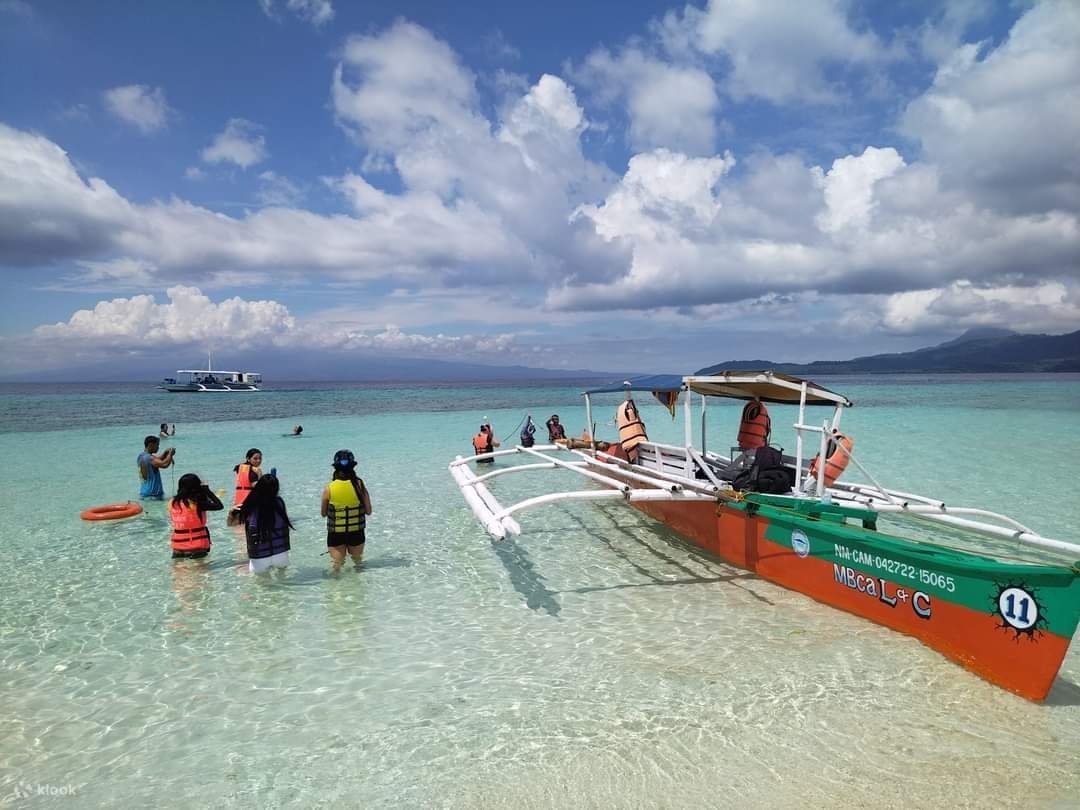
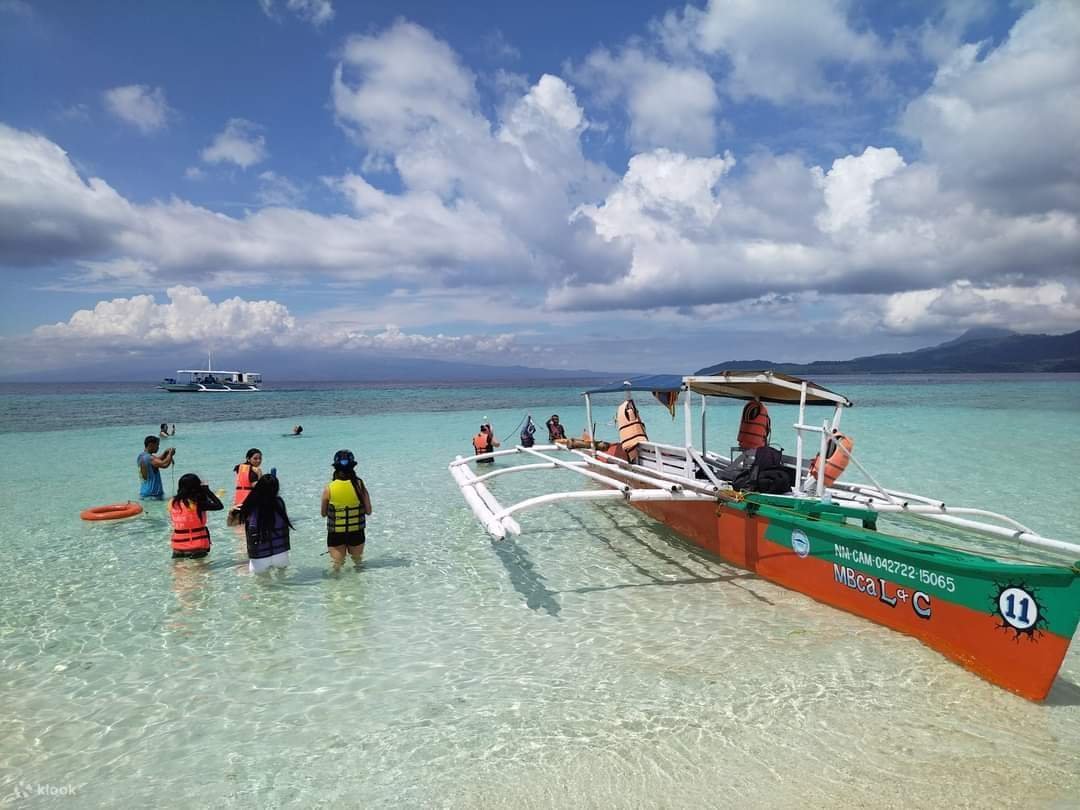
Picture this: crystal-clear turquoise water stretching out under a bright blue sky, a slim ribbon of white sand curving like a smile in the middle of the sea, and the dramatic silhouette of Mount Hibok-Hibok standing guard in the distance. That’s exactly what greeted me the first time I joined a full-day island hopping tour with snorkeling in Camiguin. I’d flown into the Philippines chasing something quieter than the usual Boracay crowds, and Camiguin delivered in spades. This isn’t just another boat ride—it’s a full immersion into the island born of fire, where volcanic history meets pristine marine life. If you’re planning your own adventure, stick around. I’ll walk you through every detail so you can make the most of it.

Why Camiguin Island Hopping Should Be on Your Bucket List

Camiguin’s full-day island hopping tour stands out because it packs two wildly different experiences into one unforgettable day. You get the iconic sandbar vibes of White Island and the world-class snorkeling at Mantigue Island, all without rushing. Unlike bigger destinations, here the boats are small, the groups intimate, and the reefs still feel untouched. I’ve done similar tours in Palawan and Siargao, but Camiguin’s combo of volcano views and marine sanctuaries hits different. It’s perfect for couples, solo travelers, or families who want beauty without the chaos.

Understanding Camiguin: The Island Born of Fire

Camiguin sits in Northern Mindanao, a tiny province shaped by seven volcanoes—hence the nickname “Island Born of Fire.” The last major eruption in the 1950s reshaped the landscape, leaving behind black-sand beaches on the main island and these magical offshore gems. This volcanic history created nutrient-rich waters that support thriving coral reefs, which is why the snorkeling here feels so alive.

Quick Geography and History

The main island measures just 64 square kilometers, making it easy to explore in a day or two. White Island lies off the northwest coast near Yumbing, while Mantigue (also called Magsaysay Island) sits about 3.5 kilometers off the southeast near Mahinog. Both are reachable by short bangka boat rides. Historically, Spanish colonizers left their mark with old churches and the famous Sunken Cemetery, but today the focus is pure nature. Locals run most tours with genuine pride, sharing stories of how the islands survived eruptions and typhoons.

The Main Stops on a Full-Day Island Hopping Tour

Most tours center on two highlights, sometimes adding a quick mangrove stop. The beauty lies in how different each feels—one exposed and dramatic, the other lush and underwater-focused. You’ll spend roughly equal time at each, with the boat captain adjusting for tides and weather.

White Island – The Iconic Sandbar Paradise

White Island is basically a living postcard. This horseshoe-shaped sandbar appears and shifts with the tides, offering powdery white sand and shallow, swimmable waters. No trees means full sun exposure, but the views of the mainland volcanoes make it worth the SPF. I spent an hour just floating in the shallows, watching the sandbar curve like a natural infinity pool. It’s ideal for photos, swimming, and that classic “I’m on a deserted island” feeling—minus the desertion on busy days.

Mantigue Island – Snorkeling Heaven

Mantigue flips the script completely. This 4-hectare forested island has a protected marine sanctuary on its southern side with healthy corals, colorful fish, and occasional sea turtles. The white-sand beach here has shade from trees, making it perfect for lunch and downtime. Snorkeling here blew me away—visibility often exceeds 20 meters, and the drop-off feels like an underwater cliff. One review I read called it “better than some paid marine parks,” and I couldn’t agree more.

Katunggan Mangrove Park – The Optional Bonus Stop

Some tours swing by Katunggan Mangrove Park near Mambajao for a quick paddle or walk along the Lovers’ Bridge. It’s a nice contrast to the open sea—think boardwalks through tangled roots and birdwatching. Not every itinerary includes it, but it adds a peaceful, educational touch if your schedule allows.

A Typical Full-Day Itinerary: From Dawn to Dusk

A standard full-day tour kicks off early to beat the heat and crowds. Here’s a realistic sample based on what I’ve seen and done:

TimeActivityDetails
7:00 AMHotel pickup in Mambajao or YumbingComfortable multicab or van
8:00 AMBoat to White Island5-10 minute ride
8:30–11:00 AMSwim, relax, photos on sandbarBring your own snacks
11:30 AMTransfer to Mantigue Island30-40 minute boat ride
12:00–2:30 PMLunch, beach time, snorkelingMarine sanctuary session
3:00 PMOptional mangrove stop or returnDepending on tour
4:30–5:00 PMBack to mainland, drop-offSunset views if timed right

This leaves buffer for weather or extra swimming. Private tours let you tweak times; group ones stick closer to the schedule.

Snorkeling in Camiguin: What to Expect Underwater

The snorkeling is the real star here. Gear is usually included or cheap to rent (around 100 PHP for mask and snorkel). At White Island, the reef wraps the sandbar—clownfish on one side, more structured corals on the other. But Mantigue steals the show with its sanctuary status. Expect parrotfish, angelfish, sea stars, and possibly green or hawksbill turtles. The water stays warm year-round, around 27-29°C, so no wetsuit needed.

Marine Life You’ll Encounter

Camiguin’s waters support vibrant ecosystems thanks to volcanic nutrients. You’ll likely spot schools of colorful reef fish, giant clams (some tours have a separate sanctuary stop), and healthy hard and soft corals. Turtles are a highlight—mantigue divers often see more than 20 on a single outing. Respect the rules: no touching, no standing on coral, and stick with your guide if you’re not a strong swimmer.

Costs and Booking Options: Private vs Group Tours

Budget-wise, expect to spend 2,500–4,000 PHP per person for a full day, depending on group size and inclusions. DIY is cheaper but more hassle. Here’s a quick breakdown:

  • White Island boat (up to 4 pax): 550 PHP + 50 PHP environmental fee/person
  • Mantigue boat (up to 6 pax): 750 PHP + 75 PHP fee/person + snorkel guide optional 300 PHP/group
  • Private full-day tour via Klook or local operators: Starts around 3,000–5,000 PHP/person (includes transfers, guide, some snacks)
  • Resort-packaged snorkel tour (e.g., Mantigue full day): Around 4,000 PHP including gear and lunch

Private tours give flexibility and fewer people; groups save money but mean sharing the boat.

Pros and Cons of Booking a Private Tour

Pros:

  • Personalized schedule and extra time at favorite spots
  • Smaller groups or just your party
  • Knowledgeable local guides who know the best snorkel spots

Cons:

  • Higher cost per person if traveling solo or as a couple
  • Need to book ahead during peak season

Pros and Cons of Group Tours

Pros:

  • Cheaper and easier to join last-minute
  • Meet fellow travelers

Cons:

  • Fixed times and potentially crowded boats
  • Less control over the pace

I prefer private for the snorkeling focus, but groups work great for budget travelers.

How to Prepare for Your Camiguin Island Hopping Adventure

Preparation makes the difference between a good day and an epic one. Book through reputable platforms like Klook or local operators with strong reviews. Confirm weather the night before—tides matter especially for White Island.

What to Pack and Wear

Pack light but smart: reef-safe sunscreen, water shoes for the sandbar (sharp bits hide in shallows), dry bag for phone and cash, swimsuit under quick-dry clothes, hat, and snacks or lunch. Leave valuables at your hotel. I once forgot water shoes and regretted it when the sand shifted.

Safety Tips and Best Practices

Life jackets are provided—wear them. Stick close to your boatman during snorkeling, especially if currents pick up. Hydrate constantly; the sun is no joke. Follow the “leave no trace” rule to keep these spots pristine for everyone.

Best Time to Visit and Weather Considerations

The dry season (December to May) offers the calmest seas and best visibility. February to April tends to be driest. June to November brings more rain, but short showers rarely ruin the whole day. Avoid peak holidays if you hate crowds. I went in March and had near-perfect conditions every time.

Real Traveler Stories: My Experience and Others’

I still smile thinking about my first Mantigue snorkel. A massive school of fish swirled around me like a living curtain while a turtle glided by unhurried. One couple I met on the boat had booked last-minute through a local and said it beat their Palawan expectations for value. Reviews on Tripadvisor echo this—people rave about the guides’ friendliness and the reefs’ health. Another solo traveler shared how the quiet of White Island at midday felt meditative after busy city life.

Pros and Cons of the Full-Day Island Hopping Tour

Pros:

  • Combines beach relaxation with top-tier snorkeling
  • Reasonable cost for the experience
  • Easy logistics with most hotels offering pickup

Cons:

  • Full sun exposure on White Island (bring shade options)
  • Limited food on the islands—pack extras
  • Weather-dependent (though operators reschedule fairly)

Overall, the pros far outweigh any minor drawbacks.

People Also Ask: Your Burning Questions Answered

How much does a full-day island hopping tour in Camiguin cost?
Expect 2,500–5,000 PHP per person depending on private or group and inclusions. DIY saves money but requires more planning.

Is Mantigue Island better than White Island for snorkeling?
Absolutely for underwater life. White Island offers nice reef swims too, but Mantigue’s sanctuary is next-level.

What should I bring for Camiguin island hopping?
Reef-safe sunscreen, water shoes, dry bag, snacks, cash, and a good camera or GoPro.

Can I do Camiguin island hopping as a day trip?
Yes, especially if you’re based in nearby Cagayan de Oro, but staying on-island lets you start earlier and relax more.

Is the tour suitable for beginners or kids?
Definitely. Life jackets and shallow areas make it family-friendly; guides adjust for skill levels.

FAQ

What if the weather turns bad on tour day?
Most operators offer rescheduling or partial refunds. Check forecasts and communicate early.

Do I need to know how to swim for snorkeling?
Not necessarily—life vests and guides keep everyone safe in shallow zones.

Are there restrooms or changing facilities on the islands?
Basic facilities exist on Mantigue; White Island is more rustic so plan accordingly.

Can I combine this with land tours?
Many packages add waterfalls or hot springs the next day, but keep island hopping separate for energy.

Is it worth it for solo travelers?
100%. You’ll meet people on the boat and the experience feels personal regardless.

Camiguin’s full-day island hopping tour with snorkeling isn’t just another checklist item—it’s the kind of day that resets your soul. The mix of volcanic drama, white-sand magic, and vibrant underwater worlds creates memories that linger long after you’re back on the mainland. Whether you book private or join a group, go with an open heart and plenty of sunscreen. You’ll leave with salt-kissed skin, a camera full of photos, and stories worth telling. Book your spot, pack your sense of adventure, and let Camiguin work its magic. Safe travels—you’re going to love it.

Best Places to Go Island Hopping in the Philippines

The Philippines isn’t just a country—it’s a sprawling playground of over 7,600 islands where every boat ride feels like stepping into a postcard. Island hopping here means trading crowded beaches for secret lagoons, limestone cliffs that plunge into turquoise water, and coral reefs teeming with life. Whether you’re a first-timer craving that wow moment or a repeat visitor chasing quieter shores, the best places deliver raw beauty without the hassle. I’ve pieced this together from countless traveler stories, recent 2025-2026 updates, and real itineraries that actually work. If you’re dreaming of swapping your daily grind for bangka boat rides and fresh seafood lunches on deserted sandbars, you’re in the right spot.

Why Island Hopping in the Philippines Should Be on Your Bucket List

Island hopping in the Philippines stands out because it’s affordable, accessible, and ridiculously varied—all in one trip. You can kayak through hidden lagoons one day and snorkel beside sea turtles the next, all while hopping between worlds that feel worlds apart. The dry season from December to May brings calm seas and clear skies, making it ideal for beginners and pros alike. Plus, Filipino hospitality turns every tour into a shared adventure with new friends. But here’s the real magic: these trips aren’t just pretty—they leave you feeling recharged, connected to nature, and maybe a little sunburned in the best way.

El Nido, Palawan: The Crown Jewel of Island Hopping

El Nido earns its spot as the undisputed king of Philippine island hopping thanks to the Bacuit Archipelago’s dramatic limestone cliffs, emerald lagoons, and powdery beaches that seem straight out of a fantasy. Travelers rave about the way the karsts rise straight from the sea, creating natural cathedrals you paddle through on a bangka. It’s not just visual overload; the snorkeling here reveals vibrant reefs and schools of fish that make every stop feel alive. If you’ve seen photos of Big Lagoon going viral, trust me—the real thing hits harder. Just pack light and prepare for that first plunge to take your breath away.

Popular Island Hopping Tours in El Nido

Tour A remains the crowd favorite for good reason, hitting Big Lagoon or Small Lagoon, Secret Lagoon, Shimizu Island, and Seven Commando Beach with a hearty lunch included. You’ll kayak through narrow channels, snorkel in crystal-clear shallows, and lounge on white sand while the crew grills fresh fish. Prices start around $25-35 per person for shared tours in 2026, with private options for groups. Book ahead via reputable sites like Guide to the Philippines for free cancellation and instant confirmation—peak December to April fills up fast. The best part? Life vests and basic gear come standard, so even non-swimmers join the fun without worry.

Why El Nido Feels Like No Other Destination

What sets El Nido apart is the sheer variety packed into one day: towering cliffs that shield hidden coves, plus marine life that feels untouched. I still smile thinking about a friend who described her Tour C experience—swimming into Secret Beach through a tiny rock gap felt like discovering treasure. It’s adventurous yet family-friendly, with options for all fitness levels. Just remember reef-safe sunscreen to keep these waters pristine for the next visitor.

Coron, Palawan: Lakes, Wrecks, and Untouched Beauty

Coron delivers a different flavor of island hopping with its mix of inland lakes, twin lagoons, and World War II shipwrecks that double as world-class dive sites. The town serves as your base for day trips into Coron Bay, where bangkas weave between islands framed by jagged rock faces. Snorkelers and divers alike love the visibility here, often spotting turtles and colorful corals right off the boat. It’s less about pure beach lounging and more about those “pinch me” moments in Barracuda Lake or Kayangan Lake, ranked among the cleanest in Asia. Coron proves you don’t need to go far offshore to feel completely removed from the world.

Top Coron Island Hopping Tours Worth Booking

Tour B and the Super Ultimate combo shine for 2026 visitors, stopping at Twin Lagoon (where you swim between cliffs), Barracuda Lake, and vibrant reefs with lunch and transfers included. Expect 7-9 hour days starting around $20-40 per person, often with hotel pickup. Private charters work great for photography buffs who want extra time at Kayangan Lake’s viewpoint. Recent reviews highlight how operators now emphasize eco-practices, like limiting group sizes to protect the sites. Weather can shift plans, but the coast guard keeps safety first—cancellations happen rarely in dry season.

What Makes Coron Tours Unforgettable

The blend of adventure and serenity here hooks everyone. Picture climbing a short trail to a lookout, then cooling off in a lake so clear you see fish 20 meters down. One traveler I connected with called it “nature’s infinity pool with a side of history.” It’s perfect for couples or solo explorers seeking depth—literally and figuratively—beyond basic beach days.

Port Barton: Palawan’s Best-Kept Secret for Relaxed Hopping

If El Nido’s buzz feels overwhelming, Port Barton offers the same Palawan magic with far fewer boats and crowds. This laid-back village north of Puerto Princesa features tours to Twin Reef, Turtle Sanctuary, German Island, and Starfish Island—think pristine sandbars and gentle snorkeling without the rush. Tours run about 7-8 hours for around PHP 1,500 ($26) including lunch, gear, and fees. It’s the spot where you actually hear waves more than chatter, making it ideal for those craving authentic vibes over Instagram perfection.

What to Expect on a Port Barton Island Hopping Tour

Tour A typically includes five to six stops with turtle spotting, reef snorkeling, and beach time on islands like Maxima or Exotic. The crew often barbecues lunch right on the sand, turning the day into a floating picnic. Private options add flexibility for families or photographers. Recent 2026 feedback praises the organization and space—plenty of room to spread out unlike busier hubs. Book through local hostels or GetYourGuide for seamless pickup from Puerto Princesa.

Why Port Barton Deserves Your Time

The relaxed pace lets you truly unwind. Swinging in a hammock on German Island after spotting turtles feels like pure therapy. It’s proof that quieter corners deliver bigger memories—perfect if you want Palawan without the party scene.

Visayas Gems: Cebu, Bohol, and Siquijor for Easy Hopping

The Visayas region shines for seamless island-to-island hops between Cebu, Bohol, and Siquijor, where ferries run frequently and tours bundle beaches with dolphin watching. Start in Panglao or Mactan for Balicasag and Virgin Islands, then cross to Bohol’s Chocolate Hills backdrop. Siquijor adds mystical vibes with its own hidden coves. It’s beginner-friendly with short transfers and vibrant marine life—think dolphins on the way to snorkel spots. This cluster suits 7-10 day trips where you mix adventure and downtime without long flights.

Standout Tours in the Visayas

Bohol’s Balicasag and Virgin Island tours from Panglao include dolphin spotting, snorkeling, and beach time for $17-30 per person. Cebu adds Kawasan Falls combos or Badian hops, while Siquijor offers relaxed reef tours. All feature lunch and gear, with 6-8 hour durations ideal for families. Fast ferries make multi-island loops simple—many travelers base in Dumaguete for easy access to Apo Island’s corals.

The Appeal of Visayas Hopping

The convenience can’t be beaten. One day you’re spotting dolphins en route to a coral sanctuary; the next you’re chilling on powdery sand. It feels like a choose-your-own-adventure book come to life.

Siargao: Surf Paradise Meets Island Hopping Bliss

Siargao blends world-class surfing with classic hopping to Naked Island, Daku Island, and Guyam Island—three tiny paradises with sandbars, palm trees, and zero development. The tri-island tour runs daily for $47-68, including boodle fight lunch and snorkeling. It’s less crowded than Palawan yet just as stunning, especially for active travelers who want waves in the morning and boat rides in the afternoon. General Luna serves as the lively base with easy access.

Siargao’s Signature Tri-Island Hopping Experience

Shared tours depart around 8 AM, hitting Naked’s bare sandbar, Daku’s beach huts, and Guyam’s tiny atoll for swimming and photos. Private upgrades add SUP or extra time. Prices hover at PHP 1,500-2,000 in 2026, with lunch and fees covered. It’s family-friendly and pairs perfectly with a Cloud 9 surf lesson.

Why Siargao Stands Out

The surf-meets-serenity combo creates that perfect balance. Floating on a sandbar while waves crash nearby feels like the ultimate reset button.

Comparing the Best Island Hopping Spots in the Philippines

Choosing your base boils down to vibe, crowds, and activities. Here’s a quick side-by-side to help you decide:

DestinationBest ForAvg. Tour Cost (2026)Crowd LevelUnique HighlightIdeal Trip Length
El Nido, PalawanLagoons & cliffs$25-50HighBig Lagoon kayaking4-7 days
Coron, PalawanLakes & wrecks$20-40MediumKayangan Lake viewpoint3-5 days
Port BartonRelaxed beaches$26LowTurtle snorkeling3-4 days
Visayas (Bohol/Cebu)Dolphins & easy hops$17-30MediumBalicasag reefs7-10 days
SiargaoSurf + sandbars$47-68MediumNaked Island sandbar4-6 days

This table cuts through the noise—pick based on your energy and group size.

Pros and Cons of Island Hopping in the Philippines

Pros

  • Incredible value for money compared to similar destinations.
  • Diverse experiences in one country—lagoons to shipwrecks.
  • Family and solo-friendly with life vests and guides.
  • Strong eco-focus on many tours in 2026.

Cons

  • Weather can cancel trips (dry season minimizes this).
  • Peak season crowds in El Nido.
  • Some sites charge extra environmental fees.
  • Limited cell service on remote islands—embrace the unplug.

How to Plan Your Island Hopping Adventure: Practical Tips

Start with domestic flights into Puerto Princesa, Cebu, or Siargao—budget airlines keep costs low. Book tours 2-4 weeks ahead for peak season via platforms with free cancellation. Pack reef-safe sunscreen, quick-dry clothes, a reusable water bottle, and cash for fees. Respect local rules: no touching corals and take only photos. Sustainable operators now dominate, so choose those limiting groups and using eco-boats. A 10-day trip mixing two spots often hits the sweet spot for value and variety.

People Also Ask About Island Hopping in the Philippines

What is the best island for island hopping in the Philippines?
Palawan’s El Nido and Coron top most lists for dramatic scenery and variety, but Siargao or Port Barton win for fewer crowds.

How much does island hopping cost in the Philippines in 2026?
Shared tours start at $17-30 per person including lunch and gear; private options run $100-300+ depending on group size.

Is island hopping in the Philippines safe for beginners?
Absolutely—life vests, guides, and shallow entries make it accessible. Just check weather and choose reputable operators.

What is the best time for island hopping in the Philippines?
December to May offers calm seas; January to April balances weather and slightly lower crowds.

Can you do island hopping without swimming?
Yes—many tours focus on beach time and boat views, with vests for non-swimmers.

FAQ: Your Top Questions Answered

How many days do I need for a great island hopping trip?
Five to seven days per base gives you time to relax between tours without rushing.

Are tours suitable for kids and seniors?
Most are, especially in Visayas and Siargao—confirm life vest policies and activity levels when booking.

What should I bring on an island hopping tour?
Swimsuit, hat, sunscreen, towel, waterproof phone case, and snacks if lunch feels light.

Is it worth visiting less popular spots like Port Barton?
100%—you trade crowds for space and that genuine local feel.

How do I get between islands affordably?
Fast ferries and budget flights via Cebu Pacific or AirSWIFT keep multi-destination trips easy and cheap.

Island hopping in the Philippines isn’t just a vacation—it’s the kind of experience that rewires how you see the world. From El Nido’s lagoons to Siargao’s sandbars, each spot offers its own slice of paradise. Pack your sense of adventure, book that first tour, and let the bangkas do the rest. You’ll come home with stories (and maybe a few new friends) that last a lifetime. Safe travels—may your next horizon always be turquoise.