Island Hopping in Hawaiʻi: Dos, Don’ts, and Money Saving Tips

Island hopping in Hawaiʻi sounds like pure magic—hopping from one paradise to the next in under an hour, chasing waterfalls on Kauaʻi one day and volcanoes on the Big Island the next. But after planning half a dozen multi-island trips myself and hearing stories from friends who live here, I can tell you it’s not quite the effortless postcard fantasy. It takes smart planning to avoid turning your dream vacation into a stressful airport shuffle. Done right, though, it’s the best way to experience the incredible diversity of these islands without blowing your budget. In this guide, I’ll walk you through exactly how to do it, what to skip, and the real-world hacks that have saved me and my travel buddies hundreds of dollars.

What Is Island Hopping in Hawaiʻi and Why Consider It?

Island hopping means flying (or occasionally ferrying) between the main Hawaiian islands during one trip instead of sticking to just one. Most visitors focus on the four big ones—Oahu, Maui, Kauaʻi, and the Big Island—because they offer wildly different vibes, landscapes, and activities. You get city energy and history on Oahu, luxury beaches and Road to Hana drama on Maui, rugged cliffs and hikes on Kauaʻi, and active volcanoes plus black-sand shores on the Big Island. It’s perfect if you crave variety and want to say you truly “did” Hawaiʻi. The flights are short, but the real trick is making the logistics work without wasting half your days in security lines.

The Pros and Cons of Island Hopping

Pros include seeing four distinct Hawaiʻis in one vacation, which feels like getting four trips for the price of one. You avoid island fatigue by mixing beach days with volcano treks, and logical pairings (like Oahu to calmer neighbor islands) keep the flow relaxing. Many travelers say it gives a fuller picture of Hawaiian culture and nature.

Cons hit hard if you’re not prepared: each hop eats up half a day with packing, shuttles, airports, and car rentals. Costs add up fast with extra flights, bag fees, and short-term stays. If your trip is under 10 days, you’ll feel rushed and miss the deep “aloha” immersion that comes from slowing down on one island. Overdoing it can leave you exhausted rather than recharged.

Comparing the Four Main Islands for Hopping

Here’s a quick side-by-side to help you decide which combos make sense for your style and budget:

IslandVibeTop Free/Cheap ActivitiesBest ForTypical Stay NeededInter-Island Flight Cost (One-Way, Booked Early)
OahuBustling, urbanWaikiki Beach, Diamond Head hike, bus ridesFirst-timers, history4–6 days$39–$99
MauiLuxe beaches & roadsRoad to Hana viewpoints, free snorkel spotsRomance, adventure4–5 days$40–$110
KauaʻiRugged, greenWaimea Canyon, Na Pali Coast overlooksNature lovers4–5 days$45–$120
Big IslandVolcanic, diverseVolcanoes National Park entry, black sandsAdventurers, families5–7 days$39–$99

Prices are approximate based on 2025–2026 Southwest and Hawaiian Airlines deals when booked 3–6 months ahead; actual fares fluctuate.

Best Time to Island Hop and How to Build Your Itinerary

Aim for shoulder seasons like April–May or September–October when crowds thin, flights drop to $39–$70 one-way, and hotel rates dip 20–30%. Avoid Christmas, spring break, and summer peaks unless you love paying premium prices. A solid 10–14 day trip lets you do two or three islands comfortably—any less and you’re better off on one. Start on Oahu if flying in from the mainland (cheapest entry point), then move to calmer spots. Give each island at least four full days so you’re not just checking boxes. I once crammed four islands in 11 days and swore never again—the constant repacking killed the vibe.

Sample 10-Day Itinerary That Actually Works

Days 1–4: Land in Honolulu, explore Oahu (Pearl Harbor, North Shore beaches).
Days 5–7: Morning flight to Maui for Haleakalā sunrise and beach time.
Days 8–10: Hop to Kauaʻi or Big Island, then fly home from there to save a leg.

This route minimizes backtracking and keeps airport days to a minimum.

Choosing Airlines: Hawaiian, Southwest, or Mokulele?

Three carriers handle almost all hops: Hawaiian Airlines (most routes, reliable), Southwest (often cheapest fares plus two free checked bags for everyone), and Mokulele (prop planes for smaller islands like Molokaʻi or Lānaʻi—scenic but bumpier). Book direct flights only; layovers on the mainland are never worth the savings. Southwest wins for budget travelers right now, especially if you grab their $39–$99 one-ways by booking midweek and 3–6 months out. Hawaiian feels more “local” with better legroom on longer hops. Always compare both on Google Flights the day you lock in your mainland ticket.

Dos: Smart Habits That Make Island Hopping Enjoyable

Do book every inter-island flight the same day you book your big trip—fares only go up. Pack light with a carry-on and personal item to dodge bag fees that can hit $30–$40 per checked bag on Hawaiian. Rent cars only on the islands where you need them (Oahu’s bus system is surprisingly good and cheap). Download the Hawaiian Airlines or Southwest app for real-time gate info and flexible change options. Most importantly, build in buffer days between hops so you’re not racing from the beach to the airport. A buddy once saved $400 just by flying mid-morning instead of rush-hour commuter slots.

Respect Local Culture Every Step of the Way

Do learn basic Hawaiian phrases like “mahalo” and “aloha” and use them sincerely—it opens doors with locals. Follow “kapu” signs (no touching sacred sites or wildlife) and leave no trace on trails and beaches. Support small businesses and food trucks instead of chains; your dollars stay in the community that way. I still remember a local aunty on Maui thanking me for asking permission before photographing her roadside stand—it turned into the best poke recommendation of the trip.

Don’ts: Mistakes That Waste Time and Money

Don’t try to visit all four islands in under two weeks—you’ll spend more time in airports than in paradise. Don’t assume every island feels the same; Oahu’s traffic and crowds will shock you after quiet Kauaʻi if you don’t plan the order right. Skip one-day “hop and back” trips unless it’s a short ferry to Lānaʻi from Maui; the airport shuffle just isn’t worth it. Never overpack or book last-minute flights—those decisions have cost travelers I know hundreds in surprise fees and stress. And please, don’t chase Instagram spots at the expense of safety; flash floods and strong currents have turned perfect days sour for too many visitors.

Money-Saving Tips That Actually Deliver Results

Book flights on Tuesdays or Wednesdays for the lowest fares and fly early morning or late evening to dodge peak pricing. Use Southwest’s two free bags perk and skip Hawaiian’s $30+ fees by traveling light. Rent condos or Airbnbs with kitchens on every island—stock up at Costco or local markets for breakfasts and lunches that cost under $10 a day instead of $25 restaurant meals. Split rental cars with travel buddies you meet at hostels or through apps. Look for multi-island packages from Hawaiian Vacations or Pleasant Holidays that bundle flights, cars, and lodging at a discount. Off-season travel can cut your total trip cost by 25–40%. One couple I traveled with saved $1,200 on a 12-day trip just by cooking half their meals and using public buses on Oahu.

Bag Fees and Rental Car Hacks Compared

  • Southwest: Often $0–$15 first bag (free for many)
  • Hawaiian: $30 first, $40 second
  • Pro tip: DiscountHawaiiCarRental.com beats big-name counters by waiving young-driver fees and letting you cancel free.

Getting Around on Each Island Without Breaking the Bank

You’ll need a car on Kauaʻi and the Big Island for most sights, but Oahu’s TheBus is only $3 a ride and goes everywhere. Maui has decent shuttles in tourist areas. Return your rental before flying out—airport lots charge a fortune. Taxis and rideshares add up fast between hotels and terminals, so factor in $30–$50 per transfer. For smaller islands like Lānaʻi, the Maui-to-Lānaʻi ferry at around $30 each way beats flying and gives gorgeous views.

Staying Safe, Sustainable, and Culturally Aware

Hawaiʻi’s beauty comes with responsibilities. Check ocean conditions daily—rip currents are no joke. Wear reef-safe sunscreen and never stand on coral. Download offline maps because cell service drops in remote areas like the Road to Hana or Volcanoes National Park. Respect “kapu” (forbidden) areas and cultural sites; they’re not photo props. I once watched a group get politely but firmly asked to leave a sacred heiau because they ignored the signs—don’t be that person.

Real Traveler Stories: What Went Right and Wrong

My first hop from Oahu to Maui in 2019 was smooth because I booked everything months ahead and packed one small roller bag. Sunrise at Haleakalā followed by beach time felt magical. But a friend’s last-minute four-island sprint last year? She spent $800 more than planned and barely remembers anything except airport lines. Another couple I know used Southwest companion fares and hostel kitchens to keep their two-week trip under $4,000 total for both—proof that smart choices pay off.

People Also Ask About Island Hopping in Hawaiʻi

Is island hopping in Hawaii worth it?
Yes, if you have 10+ days and want variety. It’s not worth it for short trips or pure relaxation.

How much does it cost to island hop in Hawaii?
Expect $80–$200 round-trip per hop plus ground transport. A two-island trip adds roughly $400–$700 per person beyond your main flight.

Are there ferries between Hawaiian islands?
Only between Maui and Lānaʻi (about $30–$60 round-trip). All other major islands require flights.

What is the best order to visit Hawaiian islands?
Start with Oahu, then Maui or Kauaʻi, and end on the Big Island for a logical flow from busy to wild.

Do I need a car on every island?
Not on Oahu, but yes on Kauaʻi and the Big Island for full exploration.

Frequently Asked Questions

How many islands should I visit in one trip?
Two or three maximum for a 10–14 day vacation. Four feels rushed unless you have three full weeks.

Can I do a day trip to another island?
Technically yes, but you’ll lose most of the day to travel. Save them for short ferry runs like Maui to Lānaʻi.

What’s the cheapest way to hop islands?
Book Southwest midweek flights 3–6 months ahead, travel with carry-on only, and stay in vacation rentals with kitchens.

Is island hopping hard with kids or seniors?
It’s doable but plan extra buffer time and choose direct flights. Many families stick to two islands to keep things relaxed.

Should I buy travel insurance for island hopping?
Absolutely—delays, cancellations, and medical coverage are cheap peace of mind when you’re bouncing between islands.

Island hopping in Hawaiʻi can be one of the most rewarding adventures you’ll ever take, but only if you treat it like a well-planned road trip instead of a spontaneous vacation. Focus on quality over quantity, respect the islands and their people, and use the money-saving moves above to stretch your budget further. You’ll come home with stories, photos, and that deep aloha feeling that makes Hawaiʻi so special. Mahalo for reading—now go book those flights and start dreaming of your perfect multi-island escape. Safe travels!

Spiritual Awakening: What Does It Feel Like

Imagine waking up one ordinary Tuesday, coffee in hand, and suddenly the world feels… different. Not in a dramatic movie way, but like someone turned up the contrast on your entire life. Colors pop a little brighter. Old ambitions feel hollow. And deep down, there’s this quiet nudge that says, “There’s more to you than this.” That’s often how a spiritual awakening begins – not with trumpets or lightning bolts, but a subtle shift that refuses to be ignored. If you’ve landed here wondering what a spiritual awakening feels like, you’re in good company. Millions are going through it right now, and it’s as raw as it is rewarding. This isn’t some fluffy new-age checklist. It’s a real, sometimes messy process of coming home to yourself. Let’s dive in and explore exactly what it feels like, step by step, drawing from real experiences, expert insights, and the patterns I’ve seen time and again.

What Exactly Is a Spiritual Awakening?

A spiritual awakening is that profound moment – or series of moments – when you snap out of the everyday trance and recognize a deeper reality beyond your thoughts, ego, and daily grind. It’s not about joining a religion or chasing gurus. Think of it as peeling back layers of conditioning to reveal your true essence: pure awareness, interconnectedness, and inner peace. Experts like Eckhart Tolle describe it as shifting from mind-identified living to presence. For many, it feels like finally exhaling after holding your breath for years. The old “you” starts dissolving, making room for something freer and more authentic.

Common Triggers That Spark the Journey

Triggers hit when life throws a curveball – a breakup, job loss, health scare, or even a quiet midlife realization that “this can’t be it.” Sometimes it’s subtler, like burnout from chasing success that never satisfies. These catalysts crack open your old worldview, forcing you to question everything. One friend of mine hit hers after a car accident; suddenly, the rat race felt pointless. Whatever the spark, it leaves you hungry for meaning, and there’s no going back once the door cracks open.

The Physical Sensations You Might Experience

Your body often leads the way, buzzing with energy as old patterns release. You might feel tingling in your hands, random waves of heat or cold, or a persistent “vibration” like your cells are upgrading. Sleep flips upside down – nights of vivid dreams or total insomnia followed by crashing fatigue. Heightened senses make food taste richer and nature more alive. It’s not always comfortable; some report ear ringing, heart flutters, or mysterious aches that doctors can’t explain. These aren’t random glitches – they’re signs your system is recalibrating to higher awareness.

Emotional Rollercoaster: The Highs and Lows

Emotions swing wildly during awakening, like riding a cosmic wave machine. One minute you’re flooded with unconditional love and bliss that brings tears of joy. The next, old grief surfaces for release, leaving you sobbing over nothing – or everything. Irritability, anxiety, and sudden apathy crash in as the ego fights to stay in control. But those peaks of peace and compassion? They’re pure gold, reminding you why this matters. Humor helps here: I once laughed hysterically in a grocery store because the cereal aisle felt overwhelmingly beautiful. Yeah, it gets weird before it gets wonderful.

Mental and Psychological Shifts

Your mind quiets down, but not without protest. Racing thoughts give way to spacious clarity, yet you question every belief you’ve ever held – from career goals to family expectations. Synchronicities pop up everywhere: repeating numbers, chance meetings that feel fated. Intuition sharpens like a knife, and you start seeing through societal illusions like consumerism or performative happiness. It can feel disorienting, almost like mild brain fog as your old mental software uninstalls itself. The payoff? Decisions flow from inner knowing instead of fear or conditioning.

The Stages of Spiritual Awakening: A Roadmap

Spiritual awakenings don’t follow a neat timeline, but most people move through recognizable phases. These stages overlap, loop back, and unfold at your own pace – some zip through in months, others linger for years. The beauty is in the unfolding; each one strips away what’s false so you can step into what’s real. Drawing from patterns shared across thousands of journeys, here’s a practical map to help you recognize where you are.

Stage 1: The Call – Feeling Discontent

You sense something’s off, like life’s missing a vital piece. Routine joys fade, and a vague restlessness builds. It’s uncomfortable but necessary – the soul’s gentle tap on the shoulder saying, “Time to wake up.”

Stage 2: The Breakdown – Catalyst Hits

A major event shatters the status quo. Whether it’s loss, crisis, or quiet epiphany, everything you thought mattered crumbles. This is where the “dark night” whispers begin, and resistance is fiercest.

Stage 3: Seeking and Exploration

Curiosity kicks in hard. You devour books, podcasts, and practices – anything that promises answers. External teachers feel magnetic, but the real work is learning to trust your own inner compass.

Stage 4: The Dark Night – Facing the Shadow

This is the gritty part. Old wounds resurface, ego screams, and loneliness hits like a truck. It feels like falling into an abyss, but it’s actually deep healing – burning away illusions so light can enter.

Stage 5: Illumination and Oneness

Glimpses of bliss arrive. You taste unity with everything – a tree, a stranger, the universe. Love flows effortlessly, and purpose clarifies. These moments recharge you for the integration ahead.

Stage 6: Integration and Service

Wisdom settles into daily life. You embody change instead of chasing it, naturally drawn to help others. Life feels lighter, more aligned, as the awakened self becomes your new normal.

Real Stories: What It Felt Like for Others (and Insights From the Path)

Nothing beats hearing from people who’ve lived it. Take my friend Alex, a software engineer in his 30s. One morning after a layoff, he felt an inexplicable “knowing” that his high-paying job was a cage. “It was like my soul exhaled,” he told me. “Suddenly, coding felt empty, but hiking at dawn filled me with this electric aliveness I’d forgotten existed.” His relationships shifted too – old buddies drifted, but deeper connections bloomed. Or consider Maria, a mom who hit awakening after burnout. “I cried for weeks over nothing and everything,” she shared. “Then one day, standing in my kitchen, I felt this overwhelming love for the dirty dishes. It sounds nuts, but that’s when I knew I was free.” These stories echo what I’ve witnessed repeatedly: the process is personal, but the feelings – that mix of terror and transcendence – are universal.

How Spiritual Awakening Changes Your Daily Life

Daily routines transform as priorities realign with your soul’s truth. Mornings might start with quiet presence instead of scrolling. You crave real conversations over small talk and notice energy drains you once ignored. Work, hobbies, even food choices evolve toward what nourishes rather than numbs. It’s not about perfection – some days you slip back into old patterns – but overall, life gains a quiet magic. Synchronicities guide you, and gratitude becomes your default setting.

Relationships and Connections

Old friendships often fade as you outgrow superficial bonds. You might feel isolated at first, like an outsider in your own circle. But new people appear – those who “get it” without explanation. Empathy deepens, yet boundaries strengthen. Family dynamics can get rocky when your truth challenges theirs, but authentic love eventually wins. The key? Lead with compassion, including for yourself.

Career and Purpose

Many quit unfulfilling jobs or pivot entirely. Purpose shifts from “success” to service – maybe starting a small creative venture or mentoring others. It feels scary to leap, but the alignment brings unexpected flow. One client I know left corporate law for gardening workshops; her bank account dipped, but her joy skyrocketed. Money follows meaning when you’re tuned in.

The Dark Night of the Soul: When It Gets Tough

Not every awakening is sunshine and rainbows. The “dark night” phase feels like rock bottom – profound doubt, isolation, and existential emptiness. You question your sanity, wonder if you’re depressed, and crave the old ignorance. It’s painful, but essential. This isn’t punishment; it’s the ego’s death rattle making space for your true self. Light humor helps: it’s like spring cleaning your soul – messy, but the fresh air afterward is worth it. If it hits, remember: this too shall pass, and you’re never truly alone.

Navigating Your Awakening: Practical Tips and Tools

The good news? You don’t have to white-knuckle it. Simple practices ground the process and accelerate integration. Meditation quiets the mind. Journaling tracks patterns. Nature walks recharge your energy. Books like Eckhart Tolle’s The Power of Now offer timeless anchors – it’s a game-changer for staying present amid the chaos. Apps for guided breathwork or communities of fellow seekers provide support without overwhelm. Start small: five minutes of silence daily works wonders.

Comparison: Spiritual Awakening vs. Depression or Anxiety

It’s easy to confuse awakening symptoms with mental health challenges, but they’re distinct – though they can overlap. Here’s a quick side-by-side:

AspectSpiritual AwakeningDepression/Anxiety
Core FeelingTemporary emptiness leading to expansionPersistent hopelessness without resolution
Energy ShiftsWaves of fatigue mixed with bursts of blissConsistent low energy, no “highs”
PurposeEmerging sense of meaning and connectionLoss of interest without deeper “why”
ResolutionPractices and time bring clarity and joyOften needs professional intervention
OutcomeGreater aliveness and authenticityRelief through treatment, but no “awakening”

Always rule out medical causes first – a good therapist who understands spiritual emergencies can bridge both worlds.

Pros and Cons of Going Through a Spiritual Awakening

Pros:

  • Unshakable inner peace that external chaos can’t touch
  • Deeper relationships built on truth
  • Heightened intuition that guides better decisions
  • Sense of purpose that lights up your days
  • Freedom from people-pleasing and old fears

Cons:

  • Periods of intense loneliness and misunderstanding
  • Emotional turbulence that exhausts you
  • Life upheaval (jobs, relationships may shift)
  • The “Am I crazy?” doubts that test your resolve
  • Slower pace as you prioritize integration over hustle

The pros far outweigh the cons once you lean in, but honesty about the challenges builds resilience.

People Also Ask About Spiritual Awakenings

What are the signs of spiritual awakening?
Common signs include feeling disconnected from your old life, vivid dreams, synchronicities, and a pull toward nature or solitude. You might question everything and feel sudden compassion or sensitivity to energy.

How long does a spiritual awakening last?
It varies wildly – weeks for some, years or a lifetime for others. The initial intensity often eases after 6-18 months, but integration continues as you embody the changes.

What triggers a spiritual awakening?
Trauma, loss, near-death experiences, or quiet dissatisfaction can spark it. Sometimes it’s spontaneous, like a random moment of presence that flips a switch inside.

Can spiritual awakening be scary?
Absolutely – the unknown, emotional waves, and ego dissolution feel terrifying at times. But that fear is part of the growth; it signals you’re shedding what no longer serves you.

Is spiritual awakening the same as enlightenment?
No. Awakening is the beginning – the “aha” that starts the journey. Enlightenment is the ongoing, stabilized state of living as your true self without identification with ego.

Frequently Asked Questions

How do I know if what I’m feeling is a spiritual awakening or something else?
If symptoms include a deep inner knowing, positive shifts alongside challenges, and a sense of expansion (even in discomfort), it’s likely awakening. Track patterns in a journal and consult a supportive practitioner if unsure.

What should I do right after noticing signs?
Breathe. Ground yourself with walks or meditation. Seek relatable resources without outsourcing your power. Trust the process – curiosity is your best friend here.

Can I speed up or control my awakening?
You can’t force it, but you can support it through consistent practices like mindfulness and self-compassion. Surrendering control often accelerates the flow naturally.

Will my relationships survive this?
Some won’t, and that’s okay – they’re evolving too. Honest communication and setting boundaries help. The ones meant for your new chapter will deepen beautifully.

Embracing the Awakening – Your Next Steps

If any of this resonates, you’re already on the path. Spiritual awakening isn’t a destination; it’s a beautiful, ongoing return to who you’ve always been beneath the noise. It feels like coming alive – raw, real, and profoundly freeing. Lean into the discomfort, celebrate the bliss, and remember: you’re not broken, you’re breaking open. Start with one small step today – maybe picking up The Power of Now or sitting quietly with your breath. The universe is cheering you on. You’ve got this. And when the waves hit, know that millions have walked this road before you, emerging lighter, wiser, and more in love with life than ever. Welcome to the real world – it feels like home.

What Is Spiritual Psychology?

You’ve probably felt it—that quiet tug in the middle of a tough day when therapy talk about childhood patterns or cognitive reframes just isn’t enough. Something deeper calls: a sense that your struggles aren’t just “mental” but part of a bigger journey toward meaning, peace, and who you really are. That’s where spiritual psychology steps in. It’s not fluffy New Age stuff or rigid religion. It’s a practical, soul-centered way of understanding the human experience that blends the best of psychology with timeless spiritual wisdom.

In this deep dive, we’ll unpack exactly what spiritual psychology is, where it came from, how it works in real life, and why it might be the missing piece you’ve been searching for. Whether you’re a therapist curious about new tools, someone navigating anxiety or loss, or just someone wondering “Is there more to life than this?”, you’ll walk away with clear insights you can actually use. Let’s get into it.

The Heart of Spiritual Psychology: Conscious Awakening

Spiritual psychology is the study and practice of conscious awakening. At its core, it reminds us we’re not just human beings having occasional spiritual moments—we’re spiritual beings having a human experience. It reintegrates the soul (the original meaning of “psyche”) back into psychology, which over time drifted toward purely scientific, symptom-focused models.

Instead of fixing problems in isolation, this approach views every upset, challenge, or “failure” as curriculum for growth. You learn to shift from ego-driven reactions to soul-centered responses rooted in love, peace, and compassion. The result? Real freedom from suffering—not by escaping life, but by transforming how you meet it. It’s empowering because it puts the power back in your hands: your inner awareness becomes the ultimate healer.

Where Spiritual Psychology Came From: A Quick but Revealing History

Psychology wasn’t always divorced from the spirit. The word itself comes from Greek roots meaning “study of the soul.” But by the early 20th century, behaviorism and psychoanalysis pushed spirituality aside to chase scientific credibility. Then came the 1960s human potential movement. Abraham Maslow, Stanislav Grof, and others felt mainstream psychology ignored higher states of consciousness, peak experiences, and transcendence. They coined “transpersonal psychology”—often used interchangeably with spiritual psychology—as psychology’s “fourth force” after psychoanalysis, behaviorism, and humanism.

Pioneers like Carl Jung explored the collective unconscious and archetypes with spiritual undertones. Later, institutions like the University of Santa Monica (USM), founded by Drs. Ron and Mary Hulnick, formalized practical programs built on 33 core principles and soul-centered skills. Today, it’s taught worldwide through certifications, master’s programs, and even spiritually integrated psychotherapy training. The field draws from world traditions—Buddhism, Christianity, indigenous wisdom—without requiring belief in any one dogma. It’s inclusive, experiential, and evidence-informed through real-life transformation.

I remember chatting with a longtime practitioner who quipped, “Psychology finally remembered why it showed up on the planet—to help us wake up, not just function better while asleep.” That light humor captures the field’s playful yet profound spirit.

Core Principles That Change Everything

What makes spiritual psychology tick are its foundational ideas, beautifully distilled in USM’s 33 Principles. These aren’t abstract philosophy—they’re daily operating instructions for life.

Here are a few game-changers in bullet form:

  • We are souls having a human experience. You’re not a flawed human trying to earn worthiness. You’re an eternal, loving essence temporarily navigating a physical world.
  • Earth is a school for awakening. Every relationship snag, health scare, or career setback is custom-designed curriculum—not punishment.
  • Unresolved issues are blessings in disguise. Anything that disturbs your peace is an invitation to heal by applying love to the hurt places inside.
  • Healing happens through compassionate self-forgiveness. Stop judging yourself for judging. Flood those inner wounds with love instead.
  • Your essential nature is love. Peace, joy, and wisdom aren’t goals to chase—they’re what you already are when you drop the barriers.

These principles shift your entire context. Life stops feeling random and starts feeling purposeful. One student I heard about described it as “finally getting the owner’s manual for your soul.”

Key Practices and Techniques You Can Start Today

Theory is great, but spiritual psychology shines in its doable practices. These aren’t hour-long meditations (though those help). They’re quick, in-the-moment tools for real life.

The cornerstone is Compassionate Self-Forgiveness—often called the “cosmic delete button.” When upset hits, you pause and say something like: “I forgive myself for judging myself as [angry, unworthy, afraid].” You release the judgment without analyzing it to death. Boom—peace returns faster than you expect.

Other soul-centered skills include:

  • Seeing the loving essence in yourself and others (even the difficult ones).
  • Heart-centered listening instead of ego-driven fixing.
  • Spiritual exercises like journaling upsets as curriculum or practicing presence during daily routines.

These techniques bridge the gap between insight and lasting change. They’re practical enough for busy parents or high-stress professionals yet profound enough to create genuine awakening.

How Spiritual Psychology Stands Apart from Traditional Psychology

People often ask: Isn’t this just therapy with extra woo-woo? Not at all. Here’s a clear comparison to show the difference.

AspectTraditional PsychologySpiritual Psychology
FocusSymptoms, behaviors, past traumaSoul awakening, meaning, higher consciousness
View of problemsPathology to fix or manageOpportunities for growth and healing
GoalReturn to “normal” functioningConscious living from authentic self
MethodsTalk therapy, CBT, medicationPrinciples, forgiveness practices, integration
ScopeMind and emotionsMind, emotions, body, and spirit
OutcomeCoping skillsInner peace, purpose, and fulfillment

Traditional approaches excel at crisis intervention and clinical diagnosis. Spiritual psychology builds on that foundation but adds the transcendent layer most people crave when life feels empty. It’s not either/or—many therapists blend both for holistic care.

Pros of spiritual psychology: Deeper resilience, reduced anxiety through meaning-making, stronger relationships, and a sense of aliveness even in hard times. Cons? It requires openness to inner work and isn’t a quick fix. If you’re in acute crisis needing medication or structured diagnosis, start with traditional support first.

Real Benefits: Stories That Hit Home

The proof is in the living. Research and real accounts show spiritual psychology lowers depression and anxiety while boosting life satisfaction and resilience—especially during crises like illness or loss.

Take Mary Hulnick’s own story: As a child terrified of the dark, she applied compassionate self-forgiveness to her judgments (“I forgive myself for judging myself as afraid”). Clarity and peace flooded in instantly. Or consider a USM student who forgave self-judgments of unworthiness during class— the whole room felt a wave of oneness and joy.

In my own explorations (and from countless conversations with seekers), I’ve seen folks transform grief into purpose or career burnout into soul-aligned work. One friend, after losing a parent, used the “upsets as curriculum” lens and found unexpected gratitude and creativity emerge. It’s emotional, yes—but in the best way. Light humor helps too: “Who knew forgiving myself for road rage would make me a better driver and a kinder person?”

During global challenges like pandemics, spiritually grounded approaches helped people find meaning amid chaos, turning suffering into growth.

Who Benefits Most—and How to Get Started

Anyone feeling stuck in the “is this all there is?” loop benefits hugely. Therapists, coaches, parents, executives, or those healing from trauma all find value. It’s especially powerful if traditional therapy helped but left a spiritual hunger.

Where to go next? Check programs like USM’s Soul-Centered Living or Master’s in Spiritual Psychology. Certifications in spiritually integrated psychotherapy (like ACPE’s SIP) blend it with clinical work. Books like Gary Zukav’s Seat of the Soul or resources from transpersonal leaders offer accessible entry points.

Start small: Next time you’re triggered, try one forgiveness statement. Notice the shift. That’s the power.

People Also Ask: Quick Answers to Common Curiosities

What is spiritual psychology?
It’s the bridge between mind and spirit—the study and practice of waking up to your true, loving nature while navigating everyday life.

What do spiritual psychologists do?
They integrate spiritual principles into therapy or coaching to help clients heal unresolved issues, find purpose, and live from the heart rather than ego reactions.

Is spiritual psychology the same as transpersonal psychology?
Often yes—transpersonal is the academic umbrella, while spiritual psychology emphasizes practical awakening tools.

Can spiritual psychology replace traditional therapy?
It complements it beautifully. Use both for best results, especially in clinical cases.

How does it help with anxiety or depression?
By addressing root spiritual disconnection and reframing suffering as growth opportunities, many experience lasting peace beyond symptom relief.

FAQ: Your Burning Questions Answered

Is spiritual psychology religious?
No. It draws wisdom from many traditions but focuses on universal principles like love and consciousness. Agnostics, atheists, and believers all thrive here.

How long does it take to see results?
Some shifts happen in minutes with forgiveness practices. Deeper transformation unfolds over weeks or months of consistent application.

Do I need a therapist to practice it?
You can start solo with the principles and skills. A trained guide accelerates the process and provides accountability.

What if I’m skeptical?
That’s normal! The beauty is it’s experiential—try the tools and judge by your own results, not blind faith.

Are there scientific studies backing it?
Yes—research on spirituality shows benefits for well-being, resilience, and mental health. The field continues growing with qualitative and outcome studies.

Spiritual psychology isn’t a trend—it’s psychology coming home to its roots. It meets you exactly where you are and gently invites you higher. If you’ve ever wondered why life keeps handing you the same lessons, maybe it’s time to view them through a spiritual lens. Your soul already knows the way; these tools just help you remember.

Ready to explore more? Dive into USM’s free resources or a local practitioner. Your awakening isn’t far—it’s already unfolding, one compassionate choice at a time.

Camiguin Island Full-Day Island Hopping Tour with Snorkeling: Your Ultimate 2026 Guide

Picture this: crystal-clear turquoise water stretching out under a bright blue sky, a slim ribbon of white sand curving like a smile in the middle of the sea, and the dramatic silhouette of Mount Hibok-Hibok standing guard in the distance. That’s exactly what greeted me the first time I joined a full-day island hopping tour with snorkeling in Camiguin. I’d flown into the Philippines chasing something quieter than the usual Boracay crowds, and Camiguin delivered in spades. This isn’t just another boat ride—it’s a full immersion into the island born of fire, where volcanic history meets pristine marine life. If you’re planning your own adventure, stick around. I’ll walk you through every detail so you can make the most of it.

Why Camiguin Island Hopping Should Be on Your Bucket List

Camiguin’s full-day island hopping tour stands out because it packs two wildly different experiences into one unforgettable day. You get the iconic sandbar vibes of White Island and the world-class snorkeling at Mantigue Island, all without rushing. Unlike bigger destinations, here the boats are small, the groups intimate, and the reefs still feel untouched. I’ve done similar tours in Palawan and Siargao, but Camiguin’s combo of volcano views and marine sanctuaries hits different. It’s perfect for couples, solo travelers, or families who want beauty without the chaos.

Understanding Camiguin: The Island Born of Fire

Camiguin sits in Northern Mindanao, a tiny province shaped by seven volcanoes—hence the nickname “Island Born of Fire.” The last major eruption in the 1950s reshaped the landscape, leaving behind black-sand beaches on the main island and these magical offshore gems. This volcanic history created nutrient-rich waters that support thriving coral reefs, which is why the snorkeling here feels so alive.

Quick Geography and History

The main island measures just 64 square kilometers, making it easy to explore in a day or two. White Island lies off the northwest coast near Yumbing, while Mantigue (also called Magsaysay Island) sits about 3.5 kilometers off the southeast near Mahinog. Both are reachable by short bangka boat rides. Historically, Spanish colonizers left their mark with old churches and the famous Sunken Cemetery, but today the focus is pure nature. Locals run most tours with genuine pride, sharing stories of how the islands survived eruptions and typhoons.

The Main Stops on a Full-Day Island Hopping Tour

Most tours center on two highlights, sometimes adding a quick mangrove stop. The beauty lies in how different each feels—one exposed and dramatic, the other lush and underwater-focused. You’ll spend roughly equal time at each, with the boat captain adjusting for tides and weather.

White Island – The Iconic Sandbar Paradise

White Island is basically a living postcard. This horseshoe-shaped sandbar appears and shifts with the tides, offering powdery white sand and shallow, swimmable waters. No trees means full sun exposure, but the views of the mainland volcanoes make it worth the SPF. I spent an hour just floating in the shallows, watching the sandbar curve like a natural infinity pool. It’s ideal for photos, swimming, and that classic “I’m on a deserted island” feeling—minus the desertion on busy days.

Mantigue Island – Snorkeling Heaven

Mantigue flips the script completely. This 4-hectare forested island has a protected marine sanctuary on its southern side with healthy corals, colorful fish, and occasional sea turtles. The white-sand beach here has shade from trees, making it perfect for lunch and downtime. Snorkeling here blew me away—visibility often exceeds 20 meters, and the drop-off feels like an underwater cliff. One review I read called it “better than some paid marine parks,” and I couldn’t agree more.

Katunggan Mangrove Park – The Optional Bonus Stop

Some tours swing by Katunggan Mangrove Park near Mambajao for a quick paddle or walk along the Lovers’ Bridge. It’s a nice contrast to the open sea—think boardwalks through tangled roots and birdwatching. Not every itinerary includes it, but it adds a peaceful, educational touch if your schedule allows.

A Typical Full-Day Itinerary: From Dawn to Dusk

A standard full-day tour kicks off early to beat the heat and crowds. Here’s a realistic sample based on what I’ve seen and done:

TimeActivityDetails
7:00 AMHotel pickup in Mambajao or YumbingComfortable multicab or van
8:00 AMBoat to White Island5-10 minute ride
8:30–11:00 AMSwim, relax, photos on sandbarBring your own snacks
11:30 AMTransfer to Mantigue Island30-40 minute boat ride
12:00–2:30 PMLunch, beach time, snorkelingMarine sanctuary session
3:00 PMOptional mangrove stop or returnDepending on tour
4:30–5:00 PMBack to mainland, drop-offSunset views if timed right

This leaves buffer for weather or extra swimming. Private tours let you tweak times; group ones stick closer to the schedule.

Snorkeling in Camiguin: What to Expect Underwater

The snorkeling is the real star here. Gear is usually included or cheap to rent (around 100 PHP for mask and snorkel). At White Island, the reef wraps the sandbar—clownfish on one side, more structured corals on the other. But Mantigue steals the show with its sanctuary status. Expect parrotfish, angelfish, sea stars, and possibly green or hawksbill turtles. The water stays warm year-round, around 27-29°C, so no wetsuit needed.

Marine Life You’ll Encounter

Camiguin’s waters support vibrant ecosystems thanks to volcanic nutrients. You’ll likely spot schools of colorful reef fish, giant clams (some tours have a separate sanctuary stop), and healthy hard and soft corals. Turtles are a highlight—mantigue divers often see more than 20 on a single outing. Respect the rules: no touching, no standing on coral, and stick with your guide if you’re not a strong swimmer.

Costs and Booking Options: Private vs Group Tours

Budget-wise, expect to spend 2,500–4,000 PHP per person for a full day, depending on group size and inclusions. DIY is cheaper but more hassle. Here’s a quick breakdown:

  • White Island boat (up to 4 pax): 550 PHP + 50 PHP environmental fee/person
  • Mantigue boat (up to 6 pax): 750 PHP + 75 PHP fee/person + snorkel guide optional 300 PHP/group
  • Private full-day tour via Klook or local operators: Starts around 3,000–5,000 PHP/person (includes transfers, guide, some snacks)
  • Resort-packaged snorkel tour (e.g., Mantigue full day): Around 4,000 PHP including gear and lunch

Private tours give flexibility and fewer people; groups save money but mean sharing the boat.

Pros and Cons of Booking a Private Tour

Pros:

  • Personalized schedule and extra time at favorite spots
  • Smaller groups or just your party
  • Knowledgeable local guides who know the best snorkel spots

Cons:

  • Higher cost per person if traveling solo or as a couple
  • Need to book ahead during peak season

Pros and Cons of Group Tours

Pros:

  • Cheaper and easier to join last-minute
  • Meet fellow travelers

Cons:

  • Fixed times and potentially crowded boats
  • Less control over the pace

I prefer private for the snorkeling focus, but groups work great for budget travelers.

How to Prepare for Your Camiguin Island Hopping Adventure

Preparation makes the difference between a good day and an epic one. Book through reputable platforms like Klook or local operators with strong reviews. Confirm weather the night before—tides matter especially for White Island.

What to Pack and Wear

Pack light but smart: reef-safe sunscreen, water shoes for the sandbar (sharp bits hide in shallows), dry bag for phone and cash, swimsuit under quick-dry clothes, hat, and snacks or lunch. Leave valuables at your hotel. I once forgot water shoes and regretted it when the sand shifted.

Safety Tips and Best Practices

Life jackets are provided—wear them. Stick close to your boatman during snorkeling, especially if currents pick up. Hydrate constantly; the sun is no joke. Follow the “leave no trace” rule to keep these spots pristine for everyone.

Best Time to Visit and Weather Considerations

The dry season (December to May) offers the calmest seas and best visibility. February to April tends to be driest. June to November brings more rain, but short showers rarely ruin the whole day. Avoid peak holidays if you hate crowds. I went in March and had near-perfect conditions every time.

Real Traveler Stories: My Experience and Others’

I still smile thinking about my first Mantigue snorkel. A massive school of fish swirled around me like a living curtain while a turtle glided by unhurried. One couple I met on the boat had booked last-minute through a local and said it beat their Palawan expectations for value. Reviews on Tripadvisor echo this—people rave about the guides’ friendliness and the reefs’ health. Another solo traveler shared how the quiet of White Island at midday felt meditative after busy city life.

Pros and Cons of the Full-Day Island Hopping Tour

Pros:

  • Combines beach relaxation with top-tier snorkeling
  • Reasonable cost for the experience
  • Easy logistics with most hotels offering pickup

Cons:

  • Full sun exposure on White Island (bring shade options)
  • Limited food on the islands—pack extras
  • Weather-dependent (though operators reschedule fairly)

Overall, the pros far outweigh any minor drawbacks.

People Also Ask: Your Burning Questions Answered

How much does a full-day island hopping tour in Camiguin cost?
Expect 2,500–5,000 PHP per person depending on private or group and inclusions. DIY saves money but requires more planning.

Is Mantigue Island better than White Island for snorkeling?
Absolutely for underwater life. White Island offers nice reef swims too, but Mantigue’s sanctuary is next-level.

What should I bring for Camiguin island hopping?
Reef-safe sunscreen, water shoes, dry bag, snacks, cash, and a good camera or GoPro.

Can I do Camiguin island hopping as a day trip?
Yes, especially if you’re based in nearby Cagayan de Oro, but staying on-island lets you start earlier and relax more.

Is the tour suitable for beginners or kids?
Definitely. Life jackets and shallow areas make it family-friendly; guides adjust for skill levels.

FAQ

What if the weather turns bad on tour day?
Most operators offer rescheduling or partial refunds. Check forecasts and communicate early.

Do I need to know how to swim for snorkeling?
Not necessarily—life vests and guides keep everyone safe in shallow zones.

Are there restrooms or changing facilities on the islands?
Basic facilities exist on Mantigue; White Island is more rustic so plan accordingly.

Can I combine this with land tours?
Many packages add waterfalls or hot springs the next day, but keep island hopping separate for energy.

Is it worth it for solo travelers?
100%. You’ll meet people on the boat and the experience feels personal regardless.

Camiguin’s full-day island hopping tour with snorkeling isn’t just another checklist item—it’s the kind of day that resets your soul. The mix of volcanic drama, white-sand magic, and vibrant underwater worlds creates memories that linger long after you’re back on the mainland. Whether you book private or join a group, go with an open heart and plenty of sunscreen. You’ll leave with salt-kissed skin, a camera full of photos, and stories worth telling. Book your spot, pack your sense of adventure, and let Camiguin work its magic. Safe travels—you’re going to love it.

51 of the Best City Breaks in Europe for 2026

Europe never fails to deliver that perfect mix of history, culture, and effortless charm for a quick getaway. In 2026, with the Winter Olympics lighting up Milan and Cortina, Frankfurt shining as World Design Capital, and fresh Michelin guides popping up in places like Vilnius, the continent feels more alive than ever. Whether you’re chasing romance, food adventures, or just a weekend reset, these city breaks turn a short trip into something unforgettable. I’ve chased sunsets from Paris rooftops and shared laughs over cheap beer in Prague’s backstreets—trust me, 2026 is your year to book one.

Why Europe City Breaks Shine in 2026

Europe’s cities are hitting their stride right now, blending timeless appeal with new reasons to visit. Major events like the Olympics in Italy and sustainable initiatives across the north make 2026 feel fresh without the usual summer crowds in some spots. Affordable flights from hubs like Lahore via major European gateways mean you can jet off for three or four days and return recharged. The real magic? Every corner offers walkable streets, killer food, and stories waiting to unfold—perfect for anyone craving more than a beach holiday.

How to Plan Your Perfect 2026 City Break

Picking the right spot starts with your vibe—romance in Venice or buzz in Berlin? Factor in shoulder seasons like spring or fall for milder weather and lower prices. Budget airlines and Eurail passes make multi-city hops easy, while apps for local transit keep things stress-free. Pack light, book attractions ahead, and leave room for spontaneous cafe stops. A quick tip: check visa rules early if you’re coming from outside the EU—smooth entry means more time enjoying the views.

Northern Europe’s Cool Escapes

Northern cities deliver crisp air, design-forward vibes, and that hygge feeling that warms you from the inside. In 2026, they’re quieter than the south yet packed with festivals and outdoor adventures. Think fjords, saunas, and midnight-sun energy—ideal if you want scenery with your city fix.

Reykjavik, Iceland

Reykjavik’s compact size lets you soak in geothermal pools by day and chase northern lights by night. The 2026 calendar includes more eco-tours and whale-watching peaks. Grab a hot dog from a street stand and wander the colorful houses—pure refreshment after a long flight.

Oslo, Norway

Oslo mixes cutting-edge architecture with fjord views that steal your breath. New waterfront developments in 2026 make it even more walkable. Hit the Opera House for free rooftop views, then dive into the Munch Museum—feels like modern Scandinavia at its finest.

Stockholm, Sweden

Stockholm spreads across islands with Gamla Stan’s medieval lanes calling your name. Summer 2026 brings extra archipelago boat trips. Cycle through Djurgården or sip fika at a waterfront cafe; it’s effortlessly cool without trying too hard.

Copenhagen, Denmark

Copenhagen’s bike lanes and Nyhavn harbor scream postcard perfection. The design scene gets a boost in 2026 with pop-up exhibits. Rent a bike, explore Tivoli Gardens, and end with smørrebrød—simple pleasures done right.

Helsinki, Finland

Helsinki blends sea saunas with world-class galleries like Kiasma. Winter Olympics spillover adds festive energy nearby. Sauna culture here is non-negotiable; pair it with market hall bites for that authentic Finnish glow.

Tallinn, Estonia

Tallinn’s fairy-tale Old Town feels like stepping back centuries. Its digital nomad scene keeps it vibrant in 2026. Climb Toompea Hill for views, then hunt street art in Telliskivi—medieval meets modern in the best way.

Riga, Latvia

Riga’s Art Nouveau buildings and Central Market buzz with life. Affordable and underrated, it’s perfect for 2026 explorers. Stroll the old town, sample rye bread, and catch a free concert—value that punches above its weight.

Vilnius, Lithuania

Vilnius tops cheap-city lists again in 2026 with its Michelin buzz. Cobblestone streets and Gediminas Tower create magic. Lukiškės Prison turned arts hub is a must—edgy, walkable, and wallet-friendly.

Warsaw, Poland

Warsaw’s rebuilt Old Town pairs with cutting-edge creativity in 2026. Neon Museum and vintage shops shine. Polish pierogi and Vistula River walks make it a resilient, welcoming gem.

Bergen, Norway

Bergen’s mountains and Bryggen wharf feel storybook fresh. Funicular rides in 2026 offer unbeatable fjord panoramas. Rainy? Duck into a cozy cafe—Norway’s second city charms rain or shine.

Western Europe’s Timeless Charms

Western Europe packs romance, art, and food into every corner. 2026 sees lighter crowds in classics and new flights to gems like Lyon. From Eiffel Tower sparkle to canal cruises, these spots deliver that bucket-list hit every time.

Paris, France

Paris never gets old—2026 brings fresh dining scenes post-Olympics glow. Stroll the Seine, climb the Eiffel Tower at dusk, and indulge in a croissant that ruins all others. I once watched the city light up from Montmartre; pure magic.

London, UK

London’s mix of history and hype never slows. West End shows and Borough Market feasts await in 2026. Hop the Tube to Camden or the South Bank—endless energy with a pint at the end.

Amsterdam, Netherlands

Amsterdam’s canals and bikes make every turn picturesque. Van Gogh Museum and Vondelpark in spring 2026 feel alive. Rent a bike, cruise the waterways, and people-watch like a local.

Brussels, Belgium

Brussels blends EU buzz with chocolate heaven. Grand Place glows in 2026 evenings. Try mussels and fries, then hunt street murals—underrated and deliciously Belgian.

Bruges, Belgium

Bruges feels like a medieval movie set with its canals and swans. 2026’s quiet season highlights the Belfry views. Chocolate shops and boat rides create that fairy-tale escape.

Luxembourg City, Luxembourg

Luxembourg’s cliffs and old town surprise first-timers. Affordable luxury in 2026. Wander the casemates, grab a coffee overlooking the gorge—compact yet grand.

Zurich, Switzerland

Zurich’s lake and Alps backdrop scream relaxation. Chocolate and watch shops in 2026. Boat across the water or hike nearby hills—Swiss precision meets pure beauty.

Munich, Germany

Munich’s beer gardens and Marienplatz buzz year-round. Oktoberfest echoes linger into 2026. English Garden strolls and museums balance the fun.

Hamburg, Germany

Hamburg’s ports and canals offer a gritty-cool alternative to Berlin. Miniatur Wunderland in 2026 draws crowds. Speicherstadt warehouses and Elbe views feel fresh.

Ghent, Belgium

Ghent’s canals and castle rival bigger neighbors but stay chill. Street art and breweries in 2026. Climb the Belfry, eat Belgian waffles—hidden-gem vibes all day.

Central Europe’s Heart and Soul

Central Europe mixes imperial grandeur with vibrant nightlife. 2026 brings thermal baths in Budapest and design nods in Prague. Affordable trains link them seamlessly for multi-stop adventures.

Prague, Czech Republic

Prague’s Charles Bridge and castle dominate skylines. Beer culture thrives in 2026. Old Town Square magic at night—romantic without the price tag.

Vienna, Austria

Vienna’s coffee houses and palaces feel regal yet relaxed. Ball season spillover in 2026. Waltz through Hofburg or sip melange—elegance on a plate.

Budapest, Hungary

Budapest’s Danube split and thermal spas heal the soul. 2026 spa upgrades shine. Chain Bridge lights and ruin bars—two cities, one unforgettable vibe.

Salzburg, Austria

Salzburg’s Mozart heritage and Alps views inspire. Sound of Music trails in 2026. Fortress funicular and old town lanes—soundtrack-worthy every step.

Bratislava, Slovakia

Bratislava’s castle overlooks the Danube with castle-town charm. Affordable eats in 2026. UFO tower views and wine tasting—surprisingly delightful.

Krakow, Poland

Krakow’s Main Square and Wawel Castle ooze history. Jewish Quarter stories in 2026. Pierogi feasts and market squares—warm Polish welcome.

Southern Europe’s Sunny Vibes

Southern sun, sea, and siestas define these breaks. 2026 Olympics boost Milan while Spain’s tapas scene stays hot. Beaches meet culture for that effortless Mediterranean glow.

Rome, Italy

Rome’s Colosseum and pasta call louder than ever. 2026 brings extra archaeological buzz. Throw a coin in Trevi Fountain—I did it twice and still crave more.

Barcelona, Spain

Barcelona’s Gaudí wonders and beaches mix perfectly. Sagrada Familia progress in 2026. Tapas crawls through Barri Gòtic—sun, sea, and style.

Madrid, Spain

Madrid’s Prado and Retiro Park fuel culture. Golden Triangle museums in 2026. Churros at midnight—live like a local till dawn.

Valencia, Spain

Valencia’s City of Arts and paella origins shine. Futuristic vibes meet old town in 2026. Beach days and Turia gardens—balanced and breezy.

Seville, Spain

Seville’s flamenco and Alcázar transport you. Spring ferias echo in 2026. Orange trees and tapas bars—pure Andalusian soul.

Lisbon, Portugal

Lisbon’s hills and trams offer postcard views. 2026 rooftop bars multiply. Pastel de nata and Tagus sunsets—effortless cool.

Porto, Portugal

Porto’s riverside port wine lodges invite tasting. Douro cruises in 2026. Ribeira district strolls—charming and unhurried.

Athens, Greece

Athens’ Acropolis glows at sunset. Street art boom in 2026. Plaka tavernas and Plaka walks—ancient meets vibrant.

Milan, Italy

Milan’s Duomo and fashion weeks peak with Olympics energy in 2026. Navigli canals for aperitivo. Design capital buzz—stylish and forward.

Florence, Italy

Florence’s Duomo and David statue inspire awe. Uffizi in 2026. Ponte Vecchio gelato stops—Renaissance romance.

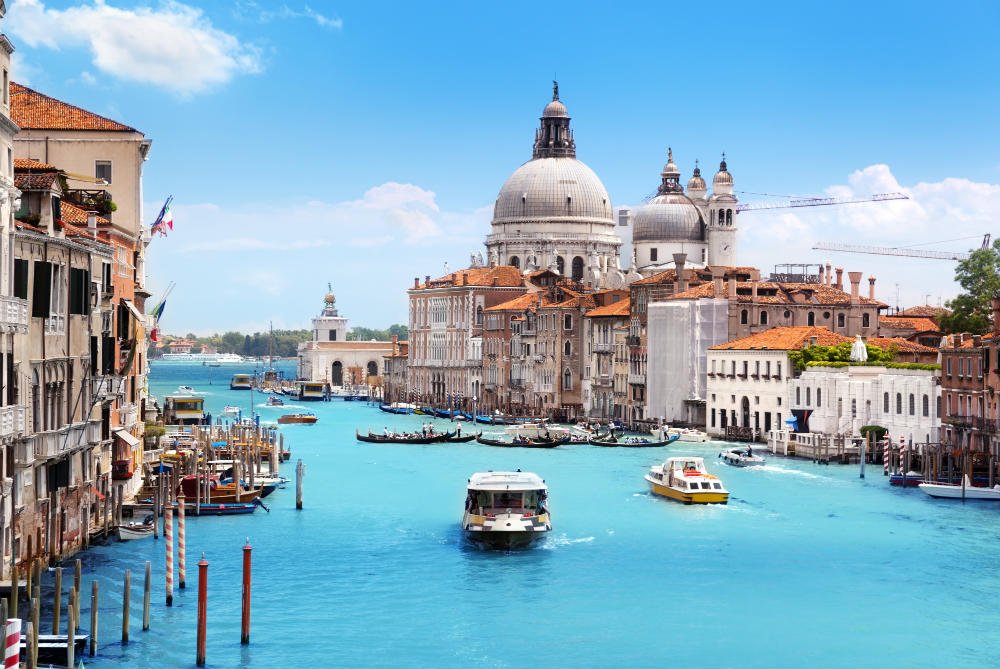
Venice, Italy

Venice’s canals and masks create dreamlike escapes. Biennale echoes in 2026. Gondola or mask shop—timeless wonder.

Naples, Italy

Naples’ pizza and underground tunnels pulse with life. 2026 street food scene thrives. Vesuvius views—raw Italian energy.

Nice, France

Nice’s Promenade and markets blend French-Italian flair. Mediterranean light in 2026. Beach clubs and old town—Riviera ease.

Lyon, France

Lyon’s food capital status grows with new openings in 2026. Traboules secret passages. Sausages and silk history—gastronomic heaven.

Eastern Europe’s Hidden Treasures

Eastern gems deliver value and surprise. 2026 sees creative revivals from Warsaw to Tbilisi influences. History, affordability, and warmth make them 2026 standouts.

Istanbul, Turkey

Istanbul straddles continents with mosques and bazaars. Michelin spots in 2026. Bosphorus ferry rides—exotic and electric.

Dubrovnik, Croatia

Dubrovnik’s walls and sea spark Game of Thrones vibes. Cable car views in 2026. Old Town walks—Adriatic jewel.

Split, Croatia

Split’s Diocletian’s Palace mixes Roman ruins with beach life. 2026 ferry hops easy. Riva promenade—coastal cool.

Sarajevo, Bosnia

Sarajevo’s Ottoman lanes and mountains heal post-history. Cafe culture thrives in 2026. Tunnel of Hope stories—resilient beauty.

Belgrade, Serbia

Belgrade’s nightlife and Sava River views energize. Fortress sunsets in 2026. Grilling and rakija—buzzy Balkan heart.

Comparison: Top City Breaks by Travel Style

Choosing gets easier when you match your mood. Here’s a quick side-by-side of standouts.

CityBest ForWeekend Cost (USD, approx.)ProsCons
ParisRomance & Culture800-1,200Iconic sights, foodCrowds, higher prices
BudapestWellness & Value400-700Spas, affordabilityLanguage barrier
BarcelonaBeach & Architecture600-900Gaudí, seaPickpockets
ReykjavikNature & Adventure900-1,300Saunas, landscapesWeather variability
LisbonViews & Vibes500-800Hills, affordabilitySteep streets

Pros and Cons: Decoding the Classics

Paris pros: endless romance and museums; cons: can feel touristy—go early mornings. Budapest pros: thermal baths for under $20; cons: some areas need navigation apps. Barcelona pros: beach right in the city; cons: summer heat—spring wins.

People Also Ask About European City Breaks

What are the cheapest city breaks in Europe for 2026?
Vilnius, Riga, and Krakow top lists with flights and stays under $500 round-trip from many hubs. Focus on Eastern Europe for value without skimping on charm.

How many days do you need for a European city break?
Three to four days hit the sweet spot—enough for highlights plus cafe lingering. Add a day for bigger spots like Rome or London.

When is the best time for city breaks in Europe?
Shoulder seasons (April-June or September-October) dodge peak crowds and prices while delivering mild weather. 2026 events make spring especially lively.

Are European city breaks good for couples?
Absolutely—Venice gondolas, Paris picnics, or Budapest baths create instant romance. Most spots cater to hand-holding strolls.

What should I pack for a European city break?
Comfortable walking shoes, a light jacket, and a power bank. Layers handle variable weather; skip the fancy—comfort wins.

FAQ: Your 2026 City Break Questions Answered

Is 2026 a good year for first-time Europe visitors?
Yes—events like the Olympics add energy without overwhelming smaller cities. Start with one or two spots to ease in.

How do I save money on European city breaks?
Book midweek flights, use city passes for attractions, and eat at markets. Eastern options stretch your budget further.

Can I combine multiple city breaks in one trip?
Easy with trains—Prague to Vienna or Lisbon to Porto. Eurail makes 2026 multi-city dreams affordable.

What about sustainability in 2026 city breaks?
Many spots like Gothenburg push green transport; choose eco-hotels and skip short flights where trains work.

Are there new must-see spots opening in 2026?
Frankfurt’s design hubs and Milan’s Olympic venues headline—check local tourism sites for tickets.

11 Locations for a Perfect City Break in Europe

Picture this: you step off a short flight or a smooth train ride, drop your bag at a charming boutique hotel, and within minutes you’re wandering cobblestone streets lined with centuries-old architecture, grabbing a fresh pastry or a glass of local wine, and soaking in views that feel straight out of a postcard. That’s the magic of a European city break. These compact, walkable escapes deliver history, culture, incredible food, and that “I can’t believe I’m here” feeling—all in just 2 to 4 days. No endless packing, no jet-lag marathons. Just pure, concentrated joy.

I’ve chased these weekends across the continent more times than I can count, from misty mornings in Prague to sunset strolls along the Danube. Each trip reminded me why Europe does short getaways better than anywhere else: efficient transport, compact centers, and that effortless blend of old-world charm and modern buzz. Whether you’re craving romance, history, foodie thrills, or just a quick reset, these 11 spots deliver the perfect city break every single time.

What Makes a City Break in Europe Perfect?

A great European city break ticks every box for a short escape: easy access, walkable streets that don’t exhaust you, world-class sights within a few hours, and enough cafés and parks to linger without feeling rushed. Spring and autumn (April–June or September–October) are goldilocks seasons—mild weather, thinner crowds, lower prices than peak summer. Shoulder-season flights and hotels often drop 20–40% compared to July and August. You’ll still get blue skies most days, but without the sweaty queues or sky-high costs. And the best part? Every one of these cities rewards slow wandering. You don’t need a packed itinerary; just good shoes and an open mind.

How to Plan Your Perfect European City Break

Start with your vibe: romantic strolls, art overload, food adventures, or history deep-dives. Budget-wise, expect €250–€550 per person for a 3-night mid-range trip (flights, hotel, meals, attractions) depending on the city—Eastern and Southern spots like Budapest or Lisbon stretch your money further. Book flights 2–3 months ahead on low-cost carriers like Ryanair or easyJet; trains via Eurail shine for nearby pairs (Paris–London via Eurostar, anyone?). Pack layers, comfy shoes for those inevitable cobblestones, and a portable charger—your phone will work overtime snapping photos. Download offline maps and city apps; they save more time than you’d believe. And always leave one evening unplanned. The best memories happen when you follow your nose to a hidden wine bar or street musician.

Comparing the 11 Perfect City Breaks

Before we dive deep, here’s a quick side-by-side to help you pick your match. I’ve pulled real traveler averages and 2026 highlights for context.

CityBest ForAvg. Cost (3 nights, mid-range, per person)Best SeasonSignature ExperienceWalkability
ParisRomance & iconic sights€450–€650Spring/FallEiffel Tower sunset picnicExcellent
RomeAncient history & pasta€400–€600Spring/FallColosseum at golden hourVery Good
BarcelonaArchitecture & beaches€380–€550Spring/FallSagrada Família + sea dipExcellent
AmsterdamCanals & culture€420–€620Spring (tulips)Canal boat at duskExcellent
LondonDiversity & museums€500–€700Any (indoor gems)Free world-class museumsGood
BerlinHistory & edgy vibes€350–€550Summer/FallStreet art & WWII sitesVery Good
PragueFairy-tale charm€300–€450Spring/FallCharles Bridge at dawnExcellent
BudapestThermal baths & value€280–€420Any (baths year-round)Széchenyi Baths soakVery Good
ViennaImperial elegance€380–€580Spring/FallCoffee house cultureExcellent
LisbonHills, fado & views€320–€480Spring/FallTram 28 ride + miradouro viewsGood (hilly)
EdinburghCastles & festivals€400–€600Summer (festivals)Edinburgh Castle & Fringe energyVery Good

Pros & Cons Quick Hits
Pros across the board: Short flights from most of Europe (and affordable connections from further afield), English widely spoken, cashless payments everywhere, and endless photo ops.
Cons to watch: Summer crowds and heat in Southern cities; winter rain in the North. Eastern Europe wins on price but has fewer direct long-haul flights.

1. Paris, France – The Eternal Romantic

Paris never fails to steal your heart on a short break. The City of Light packs the Eiffel Tower, Louvre, and Notre-Dame into a gloriously walkable core that feels custom-made for 72-hour escapes. I still get goosebumps remembering my first evening there—sitting on the Seine with a baguette and watching the tower sparkle at dusk. It’s pure magic.

Why Paris Shines for a Short Break

Everything is close. You can hit three major sights before lunch and still have time for people-watching in a café. The 2026 reopening of Musée de la Vie Romantique on Valentine’s Day adds extra romance.

Must-See Attractions

  • Eiffel Tower (skip-the-line tickets are non-negotiable)
  • Louvre and its Mona Lisa (go early or late)
  • Montmartre’s Sacré-Cœur for panoramic views
  • Seine river cruise at sunset

Where to Eat Like a Local

Skip tourist traps on the Champs-Élysées. Head to Le Marais for falafel or a classic bistrot steak-frites. Try Angelina for the world’s best hot chocolate—worth every calorie.

Best Places to Stay

  • Budget: Generator Paris hostel with rooftop views
  • Mid-range: Hotel du Louvre (steps from everything)
  • Splurge: Le Bristol for five-star Parisian luxury

Practical Tips for Your Visit

Buy a Paris Museum Pass if you’re hitting more than three sights. Wear comfortable shoes—those boulevards are longer than they look. And always say “bonjour” first; it opens doors (and smiles).

2. Rome, Italy – Eternal City Energy

Rome hits different on a city break. Ancient ruins sit shoulder-to-shoulder with gelato shops and buzzing piazzas. Post-Jubilee 2025, 2026 feels refreshingly calmer yet still electric. One friend described it as “stepping into a living history book with better food.” I couldn’t agree more.

Why Rome Shines for a Short Break

The historic center is compact. You can walk from the Colosseum to the Pantheon in under 30 minutes. La Città della Pizza festival in spring keeps the food scene buzzing.

Must-See Attractions

  • Colosseum and Roman Forum (book guided tour)
  • Trevi Fountain (toss a coin for luck)
  • Vatican Museums (early entry essential)
  • Spanish Steps at golden hour

Where to Eat Like a Local

Carbonara at Da Baffetto or supplì from street vendors. Avoid tourist menus—follow the locals to Trastevere for authentic cacio e pepe.

Best Places to Stay

  • Budget: The Beehive near Termini
  • Mid-range: Hotel Artemide with rooftop bar
  • Splurge: Hotel de Russie for garden oasis vibes

Practical Tips for Your Visit

Skip-the-line tickets save hours. Wear modest clothing for churches. And leave room in your stomach—Roman portions are generous.

3. Barcelona, Spain – Gaudi, Beaches & Vibes

Barcelona blends jaw-dropping architecture with Mediterranean beaches and tapas that’ll ruin you for life. The 2026 Gaudí centenary celebrations and solar eclipse in August make it extra special, but spring and fall remain ideal for shorter trips.

Why Barcelona Shines for a Short Break

You get culture by day and beach or nightlife by evening. The old town and Eixample are perfectly linked by metro or foot.

Must-See Attractions

  • Sagrada Família (book timed tickets months ahead)
  • Park Güell
  • La Rambla and Boqueria Market
  • Barceloneta beach for a quick dip

Where to Eat Like a Local

Patatas bravas at Bar Tomás or paella by the sea. Head to El Born for creative tapas.

Best Places to Stay

  • Budget: Hostel One Sants
  • Mid-range: Hotel 1898 on La Rambla
  • Splurge: Casa Fuster for modernist luxury

Practical Tips for Your Visit

Watch for pickpockets on crowded streets. Book Sagrada tickets online—queues are brutal otherwise.

4. Amsterdam, Netherlands – Canals, Culture & Cool

Amsterdam’s canals and bike-friendly streets make every corner feel like a postcard. WorldPride in summer 2026 adds extra sparkle, but the city shines year-round with museums and cozy brown cafés.

Why Amsterdam Shines for a Short Break

Everything is reachable by bike or boat. The compact center means zero wasted time.

Must-See Attractions

  • Rijksmuseum and Van Gogh Museum
  • Anne Frank House (tickets sell out fast)
  • Canal cruise at dusk
  • Vondelpark for picnics

Where to Eat Like a Local

Herring from street stalls or Indonesian rijsttafel. Try De Foodhallen for global street food.

Best Places to Stay

  • Budget: Flying Pig Hostel
  • Mid-range: Hotel Not Hotel
  • Splurge: Pulitzer Amsterdam on the canal

Practical Tips for Your Visit

Rent a bike—traffic rules are strict but easy once you learn them. Book museums online.

5. London, UK – World-Class Energy in One Weekend

London never sleeps and never bores. New cultural openings like the Museum of Shakespeare keep it fresh while free museums and parks make it surprisingly affordable.

Why London Shines for a Short Break

Tube and Overground get you everywhere fast. You can mix royal history with street markets effortlessly.

Must-See Attractions

  • British Museum and Tate Modern (both free)
  • Buckingham Palace changing of the guard
  • Tower of London
  • Borough Market for foodie heaven

Where to Eat Like a Local

Curry in Brick Lane or pie and mash in the East End. Rooftop bars in Shoreditch for views.

Best Places to Stay

  • Budget: Generator London
  • Mid-range: Premier Inn near attractions
  • Splurge: The Savoy for classic glamour

Practical Tips for Your Visit

Get an Oyster card or contactless payment. Walk the South Bank for epic Thames views.

6. Berlin, Germany – Raw History Meets Creative Pulse

Berlin’s layered past and thriving present create an unbeatable energy. Neighborhoods like Kreuzberg and Neukölln feel like different cities in one. The NBA game in January 2026 is just one reason 2026 feels exciting.

Why Berlin Shines for a Short Break

Affordable, huge variety, and excellent public transport. You can cover East vs West history in a single day.

Must-See Attractions

  • Brandenburg Gate and Reichstag
  • Berlin Wall Memorial
  • East Side Gallery street art
  • Tiergarten park

Where to Eat Like a Local

Currywurst from street stands or doner kebabs. Try Turkish or Vietnamese in Kreuzberg.

Best Places to Stay

  • Budget: Wombats City Hostel
  • Mid-range: Hotel Zoo Berlin
  • Splurge: Hotel Adlon Kempinski

Practical Tips for Your Visit

Buy a Berlin Welcome Card for transport and discounts. Wear layers—weather changes fast.

7. Prague, Czech Republic – Fairy-Tale Streets & Cheap Beer

Prague looks like it was built for Instagram. The medieval core, castle, and bridges create nonstop wow moments. It’s also one of Europe’s best-value city breaks.

Why Prague Shines for a Short Break

Compact and magical. You can see the highlights in two days and still have time for beer gardens.

Must-See Attractions

  • Charles Bridge at sunrise
  • Prague Castle
  • Old Town Square astronomical clock
  • Petrin Hill for views

Where to Eat Like a Local

Trdelník (chimney cake) and goulash with dumplings. Czech beer is world-class and cheap.

Best Places to Stay

  • Budget: Czech Inn
  • Mid-range: Hotel Metamorphis
  • Splurge: Four Seasons Prague

Practical Tips for Your Visit

Avoid peak hours on Charles Bridge. Book castle tickets online.

8. Budapest, Hungary – Baths, Views & Incredible Value

Budapest feels like two cities in one—Buda’s hills and Pest’s flat energy—joined by the Danube. Thermal baths are the ultimate city-break treat.

Why Budapest Shines for a Short Break

Stunning architecture, thermal spas, and prices that make you smile. Ruin bars add nightlife magic.

Must-See Attractions

  • Buda Castle and Fisherman’s Bastion
  • Széchenyi Thermal Bath
  • Parliament Building
  • Danube river cruise

Where to Eat Like a Local

Goulash and langos (fried dough). Ruin bars for craft beer and street food.

Best Places to Stay

  • Budget: Maverick City Lodge
  • Mid-range: Hotel Moments
  • Splurge: Four Seasons Gresham Palace

Practical Tips for Your Visit

Buy a Budapest Card for baths and transport. Bring a swimsuit.

9. Vienna, Austria – Coffee, Culture & Imperial Grace

Vienna’s palaces, coffee houses, and classical music heritage make every corner feel elegant. 2026 anniversaries (Mozart, museums) add extra sparkle.

Why Vienna Shines for a Short Break

Walkable, refined, and packed with free or low-cost culture. Coffee houses double as living rooms.

Must-See Attractions

  • Schönbrunn Palace
  • Hofburg and St. Stephen’s Cathedral
  • Belvedere for Klimt’s Kiss
  • Prater Ferris wheel

Where to Eat Like a Local

Sacher torte and Wiener schnitzel. Café Central or Sperl for people-watching.

Best Places to Stay

  • Budget: Wombat’s City Hostel
  • Mid-range: Hotel Altstadt Vienna
  • Splurge: Hotel Sacher

Practical Tips for Your Visit

Get a Vienna Pass for attractions. Dress up a little—Vienna appreciates elegance.

10. Lisbon, Portugal – Hills, Tiles & Ocean Breezes

Lisbon’s colorful tiles, steep hills, and Atlantic views create instant holiday mood. Trams, miradouros, and pastel de nata make it addictive.

Why Lisbon Shines for a Short Break

Hilly but rewarding. You get city energy plus easy beach access.

Must-See Attractions

  • Tram 28 ride
  • Belém Tower and Jerónimos Monastery
  • Alfama district
  • LX Factory for street art

Where to Eat Like a Local

Pastel de nata at Pastéis de Belém and fresh seafood. Fado music with dinner.

Best Places to Stay

  • Budget: Home Lisbon Hostel
  • Mid-range: Hotel Memmo Alfama
  • Splurge: The Editory

Practical Tips for Your Visit

Wear good walking shoes for the hills. Buy a Lisboa Card.

11. Edinburgh, Scotland – Castles, Festivals & Dramatic Views

Edinburgh’s castle looming over the city creates instant drama. Festivals, whisky, and literary history make it feel alive year-round.

Why Edinburgh Shines for a Short Break

Compact Royal Mile packs in history and views. Summer festivals turn it electric.

Must-See Attractions

  • Edinburgh Castle
  • Royal Mile walk
  • Arthur’s Seat hike
  • Holyrood Palace

Where to Eat Like a Local

Haggis, neeps and tatties or modern Scottish fare. Whisky tastings everywhere.

Best Places to Stay

  • Budget: Safestay Edinburgh
  • Mid-range: The Witchery
  • Splurge: The Balmoral

Practical Tips for Your Visit

Book festival tickets early if visiting August. Bring a rain jacket—weather is changeable.

People Also Ask About European City Breaks

What are the cheapest city breaks in Europe?
Prague, Budapest, and Lisbon consistently top value lists with great food and sights under €350 for three nights.

Is spring or fall better for a European city break?
Both crush summer crowds and prices. Spring brings flowers; fall brings golden light and harvest festivals.

How much does a weekend city break in Europe cost?
€250–€650 per person including flights from major hubs, depending on destination and travel style.

Which European city break is best for couples?
Paris and Venice (or Prague) win for romance, but Lisbon’s sunsets and Budapest’s baths are close runners-up.

What should I pack for a European city break?
Layers, comfortable shoes, a small daypack, power bank, and a reusable water bottle. Europe is walk-heavy!

FAQ: Your European City Break Questions Answered

Q: How many days do you need for a perfect city break?
Three full days (four nights) is ideal. Two days works if you’re laser-focused, but you’ll wish for one more.

Q: Are European city breaks suitable for solo travelers?
Absolutely. Every city on this list has safe, social hostels, walking tours, and café culture that welcomes solos.

Q: Should I book attractions in advance?
Yes—Colosseum, Sagrada Família, Anne Frank House, and thermal baths sell out weeks ahead.

Q: Can I combine two cities in one short break?
Easy! Paris + London (Eurostar), Vienna + Budapest (train), or Amsterdam + Brussels (Thalys) work beautifully.

Q: What’s the most underrated city on this list?
Budapest. The value, baths, and views still surprise even seasoned travelers.

Your perfect European city break is waiting. Whether you crave Paris romance, Roman ruins, or Budapest bubbles, these 11 destinations deliver unforgettable weekends without the overwhelm. Pack light, book smart, and go. The cobblestones, cafés, and castles are calling—and trust me, you’ll be planning your next one before you even land home. Safe travels!

The Most Relaxing City Breaks: Serene Urban Escapes That Let You Actually Unwind

I still remember stepping off the train in Vienna after a brutal work week, my shoulders knotted like old rope. Within an hour I was sitting in a sunlit café, sipping a melange while watching locals glide past on bicycles, and something in me just… exhaled. That’s the magic of a truly relaxing city break. It’s not about ticking off landmarks at breakneck speed. It’s about finding pockets of calm in the middle of urban life—places where the pace slows, the air feels cleaner, and your mind finally stops buzzing.

Why a Relaxing City Break Beats a Beach Holiday Every Time

Sometimes you need escape without the airport chaos or endless packing. City breaks deliver culture, great food, and creature comforts in a compact package, yet the right ones wrap you in quiet luxury. Think strolls along riverbanks instead of crowded beaches, spa days tucked between museums, and evenings that end with a glass of wine rather than last call at a noisy bar. These trips recharge you faster because they blend stimulation with stillness—no jet lag from long-haul flights, just gentle immersion.

How One Overworked Trip Changed How I Travel Forever

Back in 2022 I booked a “relaxing” weekend in Lisbon that turned into hill-climbing torture and late-night Fado bars. Lesson learned. Now I hunt for cities where slow living is baked in. My Porto river walk at dusk, Budapest thermal bath soak that melted three months of tension, and Bruges canal-side bench moment still rank as peak reset buttons. These spots taught me that relaxation isn’t lazy—it’s intentional.

What Actually Makes a City Break Relaxing?

Clean air, green space, low crowds in shoulder seasons, walkability, and wellness options top the list. Data from recent rankings backs this up: cities scoring high on parks, spas, sunshine, and happiness indices consistently deliver that “I could live here” feeling. Low traffic congestion and friendly locals seal the deal—no honking taxis or pushy vendors.

The Top 8 Most Relaxing City Breaks You Need on Your Radar

These picks blend real traveler feedback, liveability data, and my own boots-on-the-ground experience. Each one feels designed for unwinding, whether you have 48 hours or a long weekend.

Vienna, Austria: Europe’s Slow-Living Capital

Vienna consistently ranks among the world’s most livable and relaxing cities thanks to its pristine air, world-class museums, and café culture that encourages lingering. Locals treat parks and galleries like daily therapy, and the city’s eco-friendly policies keep everything feeling fresh and unhurried.

Signature Relaxing Experiences in Vienna

Spend an afternoon drifting between the Belvedere and Kunsthistorisches museums, then unwind with a classical concert in a historic hall. The Danube’s green belt offers perfect picnic spots, and the Prater’s giant Ferris wheel at sunset is pure magic without the theme-park frenzy.

Where to Stay for Maximum Calm in Vienna

Opt for boutique spots like the Hotel Sacher or quieter guesthouses in the 7th district. Many feature in-house spas and views over the Ringstrasse—book a room with a balcony so you can sip morning coffee while the city gently wakes up.

Porto, Portugal: Riverside Romance Meets Laid-Back Vibes

Porto topped quality-of-life charts for its affordable charm, mild climate, and easy access to the Douro River. Cobblestone streets invite slow wanders, port wine lodges offer tastings without pretension, and the Atlantic breeze keeps things refreshingly cool.

Signature Relaxing Experiences in Porto

Stroll the Ribeira district at golden hour, hop a rabelo boat for a gentle river cruise, or hike the coastal paths in nearby Foz do Douro. Evenings call for a glass of tawny port on a terrace overlooking the Dom Luís I Bridge—no rush, just views.

Where to Stay for Maximum Calm in Porto

The Yeatman or smaller riverfront inns in Vila Nova de Gaia deliver spa access and Douro vistas. Many include breakfast terraces where the only sound is seagulls and distant church bells.

Bath, England: Britain’s Ultimate Spa City Break

Bath’s Georgian architecture and natural thermal springs make it a wellness haven. Roman Baths, boutique spas, and rolling Somerset hills create a bubble of tranquility just 90 minutes from London by train.

Signature Relaxing Experiences in Bath

Soak in the Thermae Bath Spa’s rooftop pool overlooking the city, wander the Royal Crescent gardens, or take a gentle boat ride on the Avon. Afternoon tea at the Pump Room feels like stepping back in time—elegant yet effortless.

Where to Stay for Maximum Calm in Bath

The Gainsborough Bath Spa or smaller townhouses with private gardens let you unwind in period luxury. Many offer in-room massages and access to the city’s historic springs.

Bruges, Belgium: Fairy-Tale Canals and Chocolate Serenity

Bruges feels like a storybook that forgot to get loud. Its car-light medieval center, swan-filled canals, and chocolate shops invite leisurely exploration without the usual tourist crush once you step off the main square.

Signature Relaxing Experiences in Bruges

Rent a bicycle or simply wander the Begijnhof courtyard, visit the Minnewater for peaceful lake views, or indulge in a multi-course dinner that ends with handmade pralines. Even the horse-drawn carriages move at a relaxing clip here.

Where to Stay for Maximum Calm in Bruges

Romantic boutique hotels like the De Tuilerieën or canal-side guesthouses with fireplaces turn every evening into a cozy escape. Many include complimentary bicycles for exploring at your own pace.

Tallinn, Estonia: Baltic Gem Where Time Slows Down

Tallinn’s walled Old Town feels magically compact and calm, especially outside peak summer. Cobblestone lanes, medieval towers, and nearby forests deliver that rare mix of history and nature without overwhelming you.

Signature Relaxing Experiences in Tallinn

Climb Toompea Hill for panoramic views, wander the hushed alleys of the lower town, or ferry to nearby islands for forest walks. Evening saunas in the city’s modern spas complete the Nordic-style reset.

Where to Stay for Maximum Calm in Tallinn

The Three Sisters or smaller boutique inns inside the old walls offer quiet courtyards and excellent breakfasts. Many guests say they never want to leave the hotel garden.

Budapest, Hungary: Thermal Baths and Danube Tranquility

Budapest’s legendary thermal baths turn a city break into a full-body reset. The Danube splits the city into two charming halves, and the ruin bars somehow feel mellow rather than chaotic once you know where to go.

Signature Relaxing Experiences in Budapest

Spend half a day at Széchenyi or Gellért Baths, cruise the Danube at dusk, or hike the hills of Buda for city views. The thermal waters work wonders on travel-weary muscles.

Where to Stay for Maximum Calm in Budapest

The Corinthia or smaller Art Nouveau hotels near the baths provide spa access and elegant rooms. Many include breakfast buffets that fuel relaxed morning strolls.

Florence, Italy: Renaissance Beauty Without the Rush

Florence feels more intimate than Rome or Venice. Its compact center, riverside walks, and world-class gelato encourage slow appreciation rather than frantic sightseeing.

Signature Relaxing Experiences in Florence

Ponte Vecchio at sunrise, Boboli Gardens picnics, and quiet churches like Santa Croce deliver soul-soothing moments. Skip the big queues by visiting lesser-known museums in the afternoon.

Where to Stay for Maximum Calm in Florence

Oltrarno neighborhood boutique hotels or countryside villas a short taxi ride away offer gardens and fewer crowds. Many feature rooftop terraces perfect for sunset aperitivo.

Ljubljana, Slovenia: Europe’s Greenest Capital Escape

Ljubljana’s pedestrian-only center, dragon bridge, and riverside cafés create an almost village-like calm. Nearby lakes and mountains make day trips effortless and refreshing.

Signature Relaxing Experiences in Ljubljana

Boat rides on the Ljubljanica, castle funicular rides with zero effort, and market picnics using local produce keep things delightfully simple. The city’s green spaces feel like an extension of your hotel garden.

Where to Stay for Maximum Calm in Ljubljana

Riverside boutique hotels or eco-lodges just outside the center deliver peace without isolation. Many include bicycles and picnic hampers for guests.

San Diego, California: When You Crave Ocean Air in a City Setting

For those who want a non-European option, San Diego tops global relaxation rankings with its 266 parks, endless beaches, and wellness scene that makes every day feel like a mini-vacation.

Signature Relaxing Experiences in San Diego

Torrey Pines hikes, La Jolla Cove seal-watching, and spa days overlooking the Pacific deliver that perfect blend of nature and city perks. Even the zoo here feels more like a botanical garden.

Where to Stay for Maximum Calm in San Diego

Coastal resorts in La Jolla or boutique hotels in Little Italy offer ocean views and rooftop yoga. Many include wellness packages that turn your stay into a true retreat.

Comparing the Top Relaxing City Breaks at a Glance

CityBest ForAvg. Weekend Cost (per person)Best Time to VisitSignature Relax Factor
ViennaCulture & cafés€450–€650Spring or autumnClean air + museum therapy
PortoRiver views & wine€350–€550Year-round mildGentle pace + port tastings
BathSpas & history£400–£600Any seasonThermal waters
BrugesRomance & canals€400–€600Shoulder seasonsStorybook serenity
TallinnMedieval calm€300–€500Summer or winterWalkable old town
BudapestBaths & Danube€250–€450Spring or autumnThermal healing
FlorenceArt without crowds€500–€700Early autumnIntimate Renaissance beauty
LjubljanaGreen & affordable€250–€400SummerNature right in the city

Pros and Cons of Choosing a Relaxing City Break

Pros

  • Quick flights or trains from most European hubs
  • Mix of culture, food, and wellness in one compact area
  • Easier on the wallet than long-haul beach trips
  • Year-round appeal with shoulder-season deals

Cons

  • Peak summer crowds can sneak in if you don’t plan
  • Some cities (looking at you, Florence) still require early tickets for big sights
  • Weather can shift quickly in northern spots

People Also Ask About Relaxing City Breaks

What are the most relaxing city breaks in Europe?
Vienna, Porto, and Bath top most lists thanks to their blend of wellness, walkability, and calm atmospheres. They consistently score high on liveability and visitor happiness metrics.

Are city breaks cheaper than beach holidays?
Often yes—especially in shoulder seasons. You avoid resort mark-ups and enjoy better public transport and free or low-cost green spaces.

Which relaxing city break is best for couples?
Bruges or Florence win for romance, with canals, gelato, and intimate dinners. Book a canal-view room and watch the stress melt away together.

How do I keep a city break truly relaxing?
Limit your daily plan to two activities max. Build in spa time, long lunches, and unplanned wanders. Turn your phone notifications off—seriously.

Can I do a relaxing city break on a budget?
Absolutely. Ljubljana, Budapest, and Tallinn offer incredible value with free walking tours, affordable spas, and delicious street food that doesn’t break the bank.

FAQ: Your Burning Questions Answered

What’s the best time of year for relaxing city breaks?
Shoulder seasons (April–June or September–October) deliver milder crowds, pleasant weather, and often lower hotel rates.

Do I need a car for these trips?
Almost never. These cities shine on foot, by bike, or with excellent public transport—another reason they feel so stress-free.

How many days do I need for a proper relaxing city break?
Three full days work wonders. Enough time to settle in without feeling rushed.

Are these destinations family-friendly for relaxed trips?
Most are—Bath, Vienna, and Ljubljana especially welcome kids with parks, gentle activities, and family-oriented hotels.

What should I pack for maximum comfort?
Comfortable walking shoes, a light scarf or jacket for breezy evenings, and a reusable water bottle. Leave the fancy outfits unless you’re hitting a Michelin spot.

Your Next Relaxing City Break Starts Here

The beauty of these escapes lies in their simplicity: a good book, a comfortable bench, and zero pressure to “do” everything. Whether you choose Vienna’s café rhythm or Porto’s riverside glow, you’ll return home lighter, clearer, and already planning your next slow weekend away. Life moves fast enough—sometimes the most powerful thing you can do is choose to slow down on purpose. Pack light, book that ticket, and let the city do the rest. Your calmer self is waiting just a short flight away.

A Beginner’s Guide to Spirituality

Hey, if you’re here, something inside you is probably whispering that there’s more to life than the daily grind. Maybe it’s that quiet ache after a long day, or the way a sunset suddenly hits different lately. You’re not alone in wondering where to begin with spirituality. This guide is written for people exactly like you—curious, a little unsure, and ready to dip a toe into something deeper without the overwhelm. We’ll walk through what it actually means, how to start without fancy rituals, and why it might just change how you show up in your own life. No dogma, no pressure—just honest steps from someone who once felt as lost as you might right now.

What Is Spirituality?

Spirituality is simply the practice of connecting with something bigger than your everyday thoughts, worries, and to-do lists. It’s about tuning into that quiet inner voice or sense of wonder that reminds you life isn’t just bills, traffic, and scrolling. For many, it shows up as a feeling of peace when you watch the rain or hold someone’s hand a little longer. At its core, it’s less about believing in a specific god and more about recognizing the spark of meaning that makes you feel truly alive.

How Spirituality Differs From Religion

Spirituality and religion often get tangled up, but they’re not the same thing. Religion usually comes with structured rules, community rituals, and sacred texts passed down through generations. Spirituality, on the other hand, is deeply personal—you get to pick what resonates and leave the rest. Think of religion as a well-mapped road and spirituality as wandering a beautiful forest with no trail markers. Both can lead to the same sense of peace, but one feels like following a map while the other feels like discovering your own path.

Why Beginners Often Feel Drawn to Spirituality

Life has a funny way of nudging us toward spirituality right when everything feels chaotic. Maybe you’ve hit a wall at work, lost someone close, or just realized the weekend Netflix binge isn’t filling the emptiness anymore. That pull is normal—it’s your soul asking for more than surface-level living. Beginners usually start because they crave purpose, calm in the storm, or a gentler way to handle stress. The beautiful part? You don’t need to have it all figured out to begin.

Common Misconceptions About Spirituality

A lot of people picture spirituality as floating in lotus position chanting in robes or suddenly gaining superpowers. In reality, it’s far more grounded. It’s not about escaping life but meeting it with more presence and kindness. Another myth is that you have to be “woo-woo” or reject science—plenty of doctors, engineers, and parents practice it quietly every day. And no, you don’t need expensive crystals or retreats to get started. A simple walk outside can be plenty spiritual.

The First Steps on Your Spiritual Path

Starting feels intimidating until you realize the first step is just showing up as you are right now. No need to quit your job or move to the mountains. Begin by noticing your breath for sixty seconds or writing three things you’re grateful for before bed. These tiny actions create space for something bigger to unfold. The key is consistency over perfection—your journey will grow naturally once you stop waiting for the “perfect” moment.

Listening to Your Inner Voice

That nagging feeling or sudden hunch? That’s your inner voice trying to get your attention. Beginners often ignore it because modern life is loud, but pausing for two minutes a day to ask, “What do I really need right now?” can shift everything. Over time, you’ll trust it more than outside noise. It’s like turning down the radio to hear the GPS.

Setting Aside Quiet Time

Quiet time doesn’t mean total silence or meditation marathons. It can be five minutes with your morning coffee, no phone allowed. The goal is to let your mind settle so insights can surface. You might feel bored at first—that’s normal. Stick with it, and boredom often turns into a surprising sense of calm.

Essential Spiritual Practices for Beginners

Practices are where the magic happens because they turn ideas into lived experience. The best ones for beginners are simple, free, and fit into real life. Start with one or two that feel easy rather than forcing a dozen at once. You’ll be amazed how quickly small habits create big inner shifts.

Meditation Made Simple

Forget the pressure to clear your mind completely. Beginner meditation is just sitting comfortably and watching your breath for five minutes. Thoughts will come—gently bring your focus back. Apps like Insight Timer have free guided sessions that feel like a friend talking you through it. Within weeks, you’ll notice less reactivity to daily stress.

The Power of Gratitude Journaling

Gratitude journaling sounds basic until you try it. Each night, jot down three specific things that went well and why. It rewires your brain to spot goodness instead of problems. I started this during a tough patch and suddenly noticed my mood lifting even on gray days. It’s free therapy with a pen.

Connecting with Nature

Nature is one of the easiest spiritual teachers. Take a ten-minute walk without headphones and really look at the trees or sky. Feel your feet on the ground. Many beginners report feeling less alone after regular nature time because it reminds us we’re part of something vast and alive. No hiking boots required.

Mindful Breathing Exercises

When anxiety creeps in, try the 4-7-8 breath: inhale for four, hold for seven, exhale for eight. It’s a quick reset button that calms your nervous system instantly. Beginners love it because it works anywhere—at your desk, in traffic, or before bed. It’s like giving your body a mini vacation.

Building a Daily Spiritual Routine

A routine doesn’t have to be rigid or time-consuming. Maybe it’s five minutes of breathwork in the morning, a gratitude note at lunch, and a short evening reflection. The beauty is making it yours so it sticks. Over time, these pockets of presence become the highlight of your day rather than another chore.

Overcoming Common Challenges as a Newbie

Doubt will show up—maybe you’ll think “This is silly” or “I’m not doing it right.” That’s part of the process. The trick is to treat yourself with the same kindness you’d offer a friend learning something new. Distractions and busy schedules are normal too; just restart without self-judgment. Progress isn’t linear, and that’s okay.

Pros and Cons of Starting a Spiritual Journey

AspectProsCons
Daily StressReduces anxiety and brings calmInitial discomfort facing emotions
Sense of PurposeGives deeper meaning to everyday lifeCan feel vague until practices settle in
RelationshipsIncreases empathy and connectionMay shift some social circles
Time CommitmentFits into small pockets of the dayRequires consistency to see results
Personal GrowthBuilds self-awareness and resilienceOccasional emotional ups and downs

This simple table shows why so many beginners stick with it despite the early bumps.

Finding Your Unique Spiritual Path

Your path won’t look like anyone else’s, and that’s the point. Some people connect through prayer, others through art or music. Experiment without attachment to outcomes. If yoga feels good, lean in. If silent walks do it for you, perfect. The right path is the one that makes you feel more like your true self.

Tools and Resources to Support Your Journey

You don’t need much to begin, but a few trusted tools help. Books like The Power of Now by Eckhart Tolle or The Alchemist by Paulo Coelho are fantastic starting points. Free apps such as Calm or Insight Timer offer guided practices. Online communities on Reddit’s r/spirituality can provide encouragement without pressure. Start small and add only what feels supportive.

Real-Life Stories of Beginner Transformations

I remember my own early days vividly. Stuck in a dead-end job with constant anxiety, I tried meditation on a whim after seeing a friend’s post. Within a month, I was sleeping better and handling arguments without exploding. A colleague of mine started with daily nature walks after a breakup and found herself smiling again for no reason. These stories aren’t rare—they show that small, consistent steps create real change.

People Also Ask: Your Top Spirituality Questions Answered

What does it mean to be spiritual?
Being spiritual means living with awareness of something greater than material success—whether that’s love, nature, or inner peace. It shows up in how kindly you treat yourself and others.

How do I know if I’m on the right spiritual path?
You’ll know because it feels lighter, not heavier. If your practices bring more compassion and less judgment, you’re on track. Trust how it makes you feel day to day.

Can spirituality help with anxiety or depression?
Absolutely. Many beginners report lower stress levels and better emotional balance after consistent practices like breathwork or gratitude. It’s not a cure-all, but a powerful support tool alongside professional help.

Do I need to be religious to be spiritual?
Not at all. Plenty of people practice spirituality without any religious affiliation. It’s about your personal connection, not following rules.

What’s the quickest way for beginners to feel spiritual?
Try a five-minute gratitude list or mindful breathing right now. Quick wins build momentum faster than overthinking.

FAQ

How long does it take to see results from spiritual practices?
Most beginners notice small shifts—like better sleep or less reactivity—within two to four weeks of daily practice. Deeper changes unfold over months as habits become natural.

Is there a “wrong” way to practice spirituality?
As long as your approach respects yourself and others, there’s no wrong way. The only mistake is forcing something that doesn’t feel authentic to you.

Can kids or busy parents start a spiritual journey?
Yes! Short practices like family gratitude circles or bedtime breathwork work beautifully. Spirituality adapts to every life stage.

What if I lose motivation halfway through?
Totally normal. Revisit why you started or try a new practice. Treat it like learning any skill—some days are easier than others.

Are there free resources for beginners?
Tons. YouTube channels with guided meditations, library books, and free apps make starting accessible to everyone.

Your Spiritual Journey Awaits

You’ve already taken the most important step by reading this far. Spirituality isn’t about becoming someone else—it’s about remembering who you’ve always been beneath the noise. Start small, stay curious, and be gentle with yourself. The peace, purpose, and joy you’re seeking are already inside you, waiting for a little quiet space to shine through. Your journey is uniquely yours, and it begins right now, exactly where you are. Keep going—you’ve got this.

Best Places to Go Island Hopping in the Philippines

The Philippines isn’t just a country—it’s a sprawling playground of over 7,600 islands where every boat ride feels like stepping into a postcard. Island hopping here means trading crowded beaches for secret lagoons, limestone cliffs that plunge into turquoise water, and coral reefs teeming with life. Whether you’re a first-timer craving that wow moment or a repeat visitor chasing quieter shores, the best places deliver raw beauty without the hassle. I’ve pieced this together from countless traveler stories, recent 2025-2026 updates, and real itineraries that actually work. If you’re dreaming of swapping your daily grind for bangka boat rides and fresh seafood lunches on deserted sandbars, you’re in the right spot.

Why Island Hopping in the Philippines Should Be on Your Bucket List

Island hopping in the Philippines stands out because it’s affordable, accessible, and ridiculously varied—all in one trip. You can kayak through hidden lagoons one day and snorkel beside sea turtles the next, all while hopping between worlds that feel worlds apart. The dry season from December to May brings calm seas and clear skies, making it ideal for beginners and pros alike. Plus, Filipino hospitality turns every tour into a shared adventure with new friends. But here’s the real magic: these trips aren’t just pretty—they leave you feeling recharged, connected to nature, and maybe a little sunburned in the best way.

El Nido, Palawan: The Crown Jewel of Island Hopping

El Nido earns its spot as the undisputed king of Philippine island hopping thanks to the Bacuit Archipelago’s dramatic limestone cliffs, emerald lagoons, and powdery beaches that seem straight out of a fantasy. Travelers rave about the way the karsts rise straight from the sea, creating natural cathedrals you paddle through on a bangka. It’s not just visual overload; the snorkeling here reveals vibrant reefs and schools of fish that make every stop feel alive. If you’ve seen photos of Big Lagoon going viral, trust me—the real thing hits harder. Just pack light and prepare for that first plunge to take your breath away.

Popular Island Hopping Tours in El Nido

Tour A remains the crowd favorite for good reason, hitting Big Lagoon or Small Lagoon, Secret Lagoon, Shimizu Island, and Seven Commando Beach with a hearty lunch included. You’ll kayak through narrow channels, snorkel in crystal-clear shallows, and lounge on white sand while the crew grills fresh fish. Prices start around $25-35 per person for shared tours in 2026, with private options for groups. Book ahead via reputable sites like Guide to the Philippines for free cancellation and instant confirmation—peak December to April fills up fast. The best part? Life vests and basic gear come standard, so even non-swimmers join the fun without worry.

Why El Nido Feels Like No Other Destination

What sets El Nido apart is the sheer variety packed into one day: towering cliffs that shield hidden coves, plus marine life that feels untouched. I still smile thinking about a friend who described her Tour C experience—swimming into Secret Beach through a tiny rock gap felt like discovering treasure. It’s adventurous yet family-friendly, with options for all fitness levels. Just remember reef-safe sunscreen to keep these waters pristine for the next visitor.

Coron, Palawan: Lakes, Wrecks, and Untouched Beauty

Coron delivers a different flavor of island hopping with its mix of inland lakes, twin lagoons, and World War II shipwrecks that double as world-class dive sites. The town serves as your base for day trips into Coron Bay, where bangkas weave between islands framed by jagged rock faces. Snorkelers and divers alike love the visibility here, often spotting turtles and colorful corals right off the boat. It’s less about pure beach lounging and more about those “pinch me” moments in Barracuda Lake or Kayangan Lake, ranked among the cleanest in Asia. Coron proves you don’t need to go far offshore to feel completely removed from the world.

Top Coron Island Hopping Tours Worth Booking

Tour B and the Super Ultimate combo shine for 2026 visitors, stopping at Twin Lagoon (where you swim between cliffs), Barracuda Lake, and vibrant reefs with lunch and transfers included. Expect 7-9 hour days starting around $20-40 per person, often with hotel pickup. Private charters work great for photography buffs who want extra time at Kayangan Lake’s viewpoint. Recent reviews highlight how operators now emphasize eco-practices, like limiting group sizes to protect the sites. Weather can shift plans, but the coast guard keeps safety first—cancellations happen rarely in dry season.

What Makes Coron Tours Unforgettable

The blend of adventure and serenity here hooks everyone. Picture climbing a short trail to a lookout, then cooling off in a lake so clear you see fish 20 meters down. One traveler I connected with called it “nature’s infinity pool with a side of history.” It’s perfect for couples or solo explorers seeking depth—literally and figuratively—beyond basic beach days.

Port Barton: Palawan’s Best-Kept Secret for Relaxed Hopping

If El Nido’s buzz feels overwhelming, Port Barton offers the same Palawan magic with far fewer boats and crowds. This laid-back village north of Puerto Princesa features tours to Twin Reef, Turtle Sanctuary, German Island, and Starfish Island—think pristine sandbars and gentle snorkeling without the rush. Tours run about 7-8 hours for around PHP 1,500 ($26) including lunch, gear, and fees. It’s the spot where you actually hear waves more than chatter, making it ideal for those craving authentic vibes over Instagram perfection.

What to Expect on a Port Barton Island Hopping Tour

Tour A typically includes five to six stops with turtle spotting, reef snorkeling, and beach time on islands like Maxima or Exotic. The crew often barbecues lunch right on the sand, turning the day into a floating picnic. Private options add flexibility for families or photographers. Recent 2026 feedback praises the organization and space—plenty of room to spread out unlike busier hubs. Book through local hostels or GetYourGuide for seamless pickup from Puerto Princesa.

Why Port Barton Deserves Your Time

The relaxed pace lets you truly unwind. Swinging in a hammock on German Island after spotting turtles feels like pure therapy. It’s proof that quieter corners deliver bigger memories—perfect if you want Palawan without the party scene.

Visayas Gems: Cebu, Bohol, and Siquijor for Easy Hopping

The Visayas region shines for seamless island-to-island hops between Cebu, Bohol, and Siquijor, where ferries run frequently and tours bundle beaches with dolphin watching. Start in Panglao or Mactan for Balicasag and Virgin Islands, then cross to Bohol’s Chocolate Hills backdrop. Siquijor adds mystical vibes with its own hidden coves. It’s beginner-friendly with short transfers and vibrant marine life—think dolphins on the way to snorkel spots. This cluster suits 7-10 day trips where you mix adventure and downtime without long flights.

Standout Tours in the Visayas

Bohol’s Balicasag and Virgin Island tours from Panglao include dolphin spotting, snorkeling, and beach time for $17-30 per person. Cebu adds Kawasan Falls combos or Badian hops, while Siquijor offers relaxed reef tours. All feature lunch and gear, with 6-8 hour durations ideal for families. Fast ferries make multi-island loops simple—many travelers base in Dumaguete for easy access to Apo Island’s corals.

The Appeal of Visayas Hopping

The convenience can’t be beaten. One day you’re spotting dolphins en route to a coral sanctuary; the next you’re chilling on powdery sand. It feels like a choose-your-own-adventure book come to life.

Siargao: Surf Paradise Meets Island Hopping Bliss

Siargao blends world-class surfing with classic hopping to Naked Island, Daku Island, and Guyam Island—three tiny paradises with sandbars, palm trees, and zero development. The tri-island tour runs daily for $47-68, including boodle fight lunch and snorkeling. It’s less crowded than Palawan yet just as stunning, especially for active travelers who want waves in the morning and boat rides in the afternoon. General Luna serves as the lively base with easy access.

Siargao’s Signature Tri-Island Hopping Experience

Shared tours depart around 8 AM, hitting Naked’s bare sandbar, Daku’s beach huts, and Guyam’s tiny atoll for swimming and photos. Private upgrades add SUP or extra time. Prices hover at PHP 1,500-2,000 in 2026, with lunch and fees covered. It’s family-friendly and pairs perfectly with a Cloud 9 surf lesson.

Why Siargao Stands Out

The surf-meets-serenity combo creates that perfect balance. Floating on a sandbar while waves crash nearby feels like the ultimate reset button.

Comparing the Best Island Hopping Spots in the Philippines

Choosing your base boils down to vibe, crowds, and activities. Here’s a quick side-by-side to help you decide:

DestinationBest ForAvg. Tour Cost (2026)Crowd LevelUnique HighlightIdeal Trip Length
El Nido, PalawanLagoons & cliffs$25-50HighBig Lagoon kayaking4-7 days
Coron, PalawanLakes & wrecks$20-40MediumKayangan Lake viewpoint3-5 days
Port BartonRelaxed beaches$26LowTurtle snorkeling3-4 days
Visayas (Bohol/Cebu)Dolphins & easy hops$17-30MediumBalicasag reefs7-10 days
SiargaoSurf + sandbars$47-68MediumNaked Island sandbar4-6 days

This table cuts through the noise—pick based on your energy and group size.

Pros and Cons of Island Hopping in the Philippines

Pros

  • Incredible value for money compared to similar destinations.
  • Diverse experiences in one country—lagoons to shipwrecks.
  • Family and solo-friendly with life vests and guides.
  • Strong eco-focus on many tours in 2026.

Cons

  • Weather can cancel trips (dry season minimizes this).
  • Peak season crowds in El Nido.
  • Some sites charge extra environmental fees.
  • Limited cell service on remote islands—embrace the unplug.

How to Plan Your Island Hopping Adventure: Practical Tips

Start with domestic flights into Puerto Princesa, Cebu, or Siargao—budget airlines keep costs low. Book tours 2-4 weeks ahead for peak season via platforms with free cancellation. Pack reef-safe sunscreen, quick-dry clothes, a reusable water bottle, and cash for fees. Respect local rules: no touching corals and take only photos. Sustainable operators now dominate, so choose those limiting groups and using eco-boats. A 10-day trip mixing two spots often hits the sweet spot for value and variety.

People Also Ask About Island Hopping in the Philippines

What is the best island for island hopping in the Philippines?
Palawan’s El Nido and Coron top most lists for dramatic scenery and variety, but Siargao or Port Barton win for fewer crowds.

How much does island hopping cost in the Philippines in 2026?
Shared tours start at $17-30 per person including lunch and gear; private options run $100-300+ depending on group size.

Is island hopping in the Philippines safe for beginners?
Absolutely—life vests, guides, and shallow entries make it accessible. Just check weather and choose reputable operators.

What is the best time for island hopping in the Philippines?
December to May offers calm seas; January to April balances weather and slightly lower crowds.

Can you do island hopping without swimming?
Yes—many tours focus on beach time and boat views, with vests for non-swimmers.

FAQ: Your Top Questions Answered

How many days do I need for a great island hopping trip?
Five to seven days per base gives you time to relax between tours without rushing.

Are tours suitable for kids and seniors?
Most are, especially in Visayas and Siargao—confirm life vest policies and activity levels when booking.

What should I bring on an island hopping tour?
Swimsuit, hat, sunscreen, towel, waterproof phone case, and snacks if lunch feels light.

Is it worth visiting less popular spots like Port Barton?
100%—you trade crowds for space and that genuine local feel.

How do I get between islands affordably?
Fast ferries and budget flights via Cebu Pacific or AirSWIFT keep multi-destination trips easy and cheap.

Island hopping in the Philippines isn’t just a vacation—it’s the kind of experience that rewires how you see the world. From El Nido’s lagoons to Siargao’s sandbars, each spot offers its own slice of paradise. Pack your sense of adventure, book that first tour, and let the bangkas do the rest. You’ll come home with stories (and maybe a few new friends) that last a lifetime. Safe travels—may your next horizon always be turquoise.