What Is Spiritual Psychology?

You’ve probably felt it—that quiet tug in the middle of a tough day when therapy talk about childhood patterns or cognitive reframes just isn’t enough. Something deeper calls: a sense that your struggles aren’t just “mental” but part of a bigger journey toward meaning, peace, and who you really are. That’s where spiritual psychology steps in. It’s not fluffy New Age stuff or rigid religion. It’s a practical, soul-centered way of understanding the human experience that blends the best of psychology with timeless spiritual wisdom.

In this deep dive, we’ll unpack exactly what spiritual psychology is, where it came from, how it works in real life, and why it might be the missing piece you’ve been searching for. Whether you’re a therapist curious about new tools, someone navigating anxiety or loss, or just someone wondering “Is there more to life than this?”, you’ll walk away with clear insights you can actually use. Let’s get into it.

The Heart of Spiritual Psychology: Conscious Awakening

Spiritual psychology is the study and practice of conscious awakening. At its core, it reminds us we’re not just human beings having occasional spiritual moments—we’re spiritual beings having a human experience. It reintegrates the soul (the original meaning of “psyche”) back into psychology, which over time drifted toward purely scientific, symptom-focused models.

Instead of fixing problems in isolation, this approach views every upset, challenge, or “failure” as curriculum for growth. You learn to shift from ego-driven reactions to soul-centered responses rooted in love, peace, and compassion. The result? Real freedom from suffering—not by escaping life, but by transforming how you meet it. It’s empowering because it puts the power back in your hands: your inner awareness becomes the ultimate healer.

Where Spiritual Psychology Came From: A Quick but Revealing History

Psychology wasn’t always divorced from the spirit. The word itself comes from Greek roots meaning “study of the soul.” But by the early 20th century, behaviorism and psychoanalysis pushed spirituality aside to chase scientific credibility. Then came the 1960s human potential movement. Abraham Maslow, Stanislav Grof, and others felt mainstream psychology ignored higher states of consciousness, peak experiences, and transcendence. They coined “transpersonal psychology”—often used interchangeably with spiritual psychology—as psychology’s “fourth force” after psychoanalysis, behaviorism, and humanism.

Pioneers like Carl Jung explored the collective unconscious and archetypes with spiritual undertones. Later, institutions like the University of Santa Monica (USM), founded by Drs. Ron and Mary Hulnick, formalized practical programs built on 33 core principles and soul-centered skills. Today, it’s taught worldwide through certifications, master’s programs, and even spiritually integrated psychotherapy training. The field draws from world traditions—Buddhism, Christianity, indigenous wisdom—without requiring belief in any one dogma. It’s inclusive, experiential, and evidence-informed through real-life transformation.

I remember chatting with a longtime practitioner who quipped, “Psychology finally remembered why it showed up on the planet—to help us wake up, not just function better while asleep.” That light humor captures the field’s playful yet profound spirit.

Core Principles That Change Everything

What makes spiritual psychology tick are its foundational ideas, beautifully distilled in USM’s 33 Principles. These aren’t abstract philosophy—they’re daily operating instructions for life.

Here are a few game-changers in bullet form:

  • We are souls having a human experience. You’re not a flawed human trying to earn worthiness. You’re an eternal, loving essence temporarily navigating a physical world.
  • Earth is a school for awakening. Every relationship snag, health scare, or career setback is custom-designed curriculum—not punishment.
  • Unresolved issues are blessings in disguise. Anything that disturbs your peace is an invitation to heal by applying love to the hurt places inside.
  • Healing happens through compassionate self-forgiveness. Stop judging yourself for judging. Flood those inner wounds with love instead.
  • Your essential nature is love. Peace, joy, and wisdom aren’t goals to chase—they’re what you already are when you drop the barriers.

These principles shift your entire context. Life stops feeling random and starts feeling purposeful. One student I heard about described it as “finally getting the owner’s manual for your soul.”

Key Practices and Techniques You Can Start Today

Theory is great, but spiritual psychology shines in its doable practices. These aren’t hour-long meditations (though those help). They’re quick, in-the-moment tools for real life.

The cornerstone is Compassionate Self-Forgiveness—often called the “cosmic delete button.” When upset hits, you pause and say something like: “I forgive myself for judging myself as [angry, unworthy, afraid].” You release the judgment without analyzing it to death. Boom—peace returns faster than you expect.

Other soul-centered skills include:

  • Seeing the loving essence in yourself and others (even the difficult ones).
  • Heart-centered listening instead of ego-driven fixing.
  • Spiritual exercises like journaling upsets as curriculum or practicing presence during daily routines.

These techniques bridge the gap between insight and lasting change. They’re practical enough for busy parents or high-stress professionals yet profound enough to create genuine awakening.

How Spiritual Psychology Stands Apart from Traditional Psychology

People often ask: Isn’t this just therapy with extra woo-woo? Not at all. Here’s a clear comparison to show the difference.

AspectTraditional PsychologySpiritual Psychology
FocusSymptoms, behaviors, past traumaSoul awakening, meaning, higher consciousness
View of problemsPathology to fix or manageOpportunities for growth and healing
GoalReturn to “normal” functioningConscious living from authentic self
MethodsTalk therapy, CBT, medicationPrinciples, forgiveness practices, integration
ScopeMind and emotionsMind, emotions, body, and spirit
OutcomeCoping skillsInner peace, purpose, and fulfillment

Traditional approaches excel at crisis intervention and clinical diagnosis. Spiritual psychology builds on that foundation but adds the transcendent layer most people crave when life feels empty. It’s not either/or—many therapists blend both for holistic care.

Pros of spiritual psychology: Deeper resilience, reduced anxiety through meaning-making, stronger relationships, and a sense of aliveness even in hard times. Cons? It requires openness to inner work and isn’t a quick fix. If you’re in acute crisis needing medication or structured diagnosis, start with traditional support first.

Real Benefits: Stories That Hit Home

The proof is in the living. Research and real accounts show spiritual psychology lowers depression and anxiety while boosting life satisfaction and resilience—especially during crises like illness or loss.

Take Mary Hulnick’s own story: As a child terrified of the dark, she applied compassionate self-forgiveness to her judgments (“I forgive myself for judging myself as afraid”). Clarity and peace flooded in instantly. Or consider a USM student who forgave self-judgments of unworthiness during class— the whole room felt a wave of oneness and joy.

In my own explorations (and from countless conversations with seekers), I’ve seen folks transform grief into purpose or career burnout into soul-aligned work. One friend, after losing a parent, used the “upsets as curriculum” lens and found unexpected gratitude and creativity emerge. It’s emotional, yes—but in the best way. Light humor helps too: “Who knew forgiving myself for road rage would make me a better driver and a kinder person?”

During global challenges like pandemics, spiritually grounded approaches helped people find meaning amid chaos, turning suffering into growth.

Who Benefits Most—and How to Get Started

Anyone feeling stuck in the “is this all there is?” loop benefits hugely. Therapists, coaches, parents, executives, or those healing from trauma all find value. It’s especially powerful if traditional therapy helped but left a spiritual hunger.

Where to go next? Check programs like USM’s Soul-Centered Living or Master’s in Spiritual Psychology. Certifications in spiritually integrated psychotherapy (like ACPE’s SIP) blend it with clinical work. Books like Gary Zukav’s Seat of the Soul or resources from transpersonal leaders offer accessible entry points.

Start small: Next time you’re triggered, try one forgiveness statement. Notice the shift. That’s the power.

People Also Ask: Quick Answers to Common Curiosities

What is spiritual psychology?
It’s the bridge between mind and spirit—the study and practice of waking up to your true, loving nature while navigating everyday life.

What do spiritual psychologists do?
They integrate spiritual principles into therapy or coaching to help clients heal unresolved issues, find purpose, and live from the heart rather than ego reactions.

Is spiritual psychology the same as transpersonal psychology?
Often yes—transpersonal is the academic umbrella, while spiritual psychology emphasizes practical awakening tools.

Can spiritual psychology replace traditional therapy?
It complements it beautifully. Use both for best results, especially in clinical cases.

How does it help with anxiety or depression?
By addressing root spiritual disconnection and reframing suffering as growth opportunities, many experience lasting peace beyond symptom relief.

FAQ: Your Burning Questions Answered

Is spiritual psychology religious?
No. It draws wisdom from many traditions but focuses on universal principles like love and consciousness. Agnostics, atheists, and believers all thrive here.

How long does it take to see results?
Some shifts happen in minutes with forgiveness practices. Deeper transformation unfolds over weeks or months of consistent application.

Do I need a therapist to practice it?
You can start solo with the principles and skills. A trained guide accelerates the process and provides accountability.

What if I’m skeptical?
That’s normal! The beauty is it’s experiential—try the tools and judge by your own results, not blind faith.

Are there scientific studies backing it?
Yes—research on spirituality shows benefits for well-being, resilience, and mental health. The field continues growing with qualitative and outcome studies.

Spiritual psychology isn’t a trend—it’s psychology coming home to its roots. It meets you exactly where you are and gently invites you higher. If you’ve ever wondered why life keeps handing you the same lessons, maybe it’s time to view them through a spiritual lens. Your soul already knows the way; these tools just help you remember.

Ready to explore more? Dive into USM’s free resources or a local practitioner. Your awakening isn’t far—it’s already unfolding, one compassionate choice at a time.
Camiguin Island Full-Day Island Hopping Tour with Snorkeling: Your Ultimate 2026 Guide

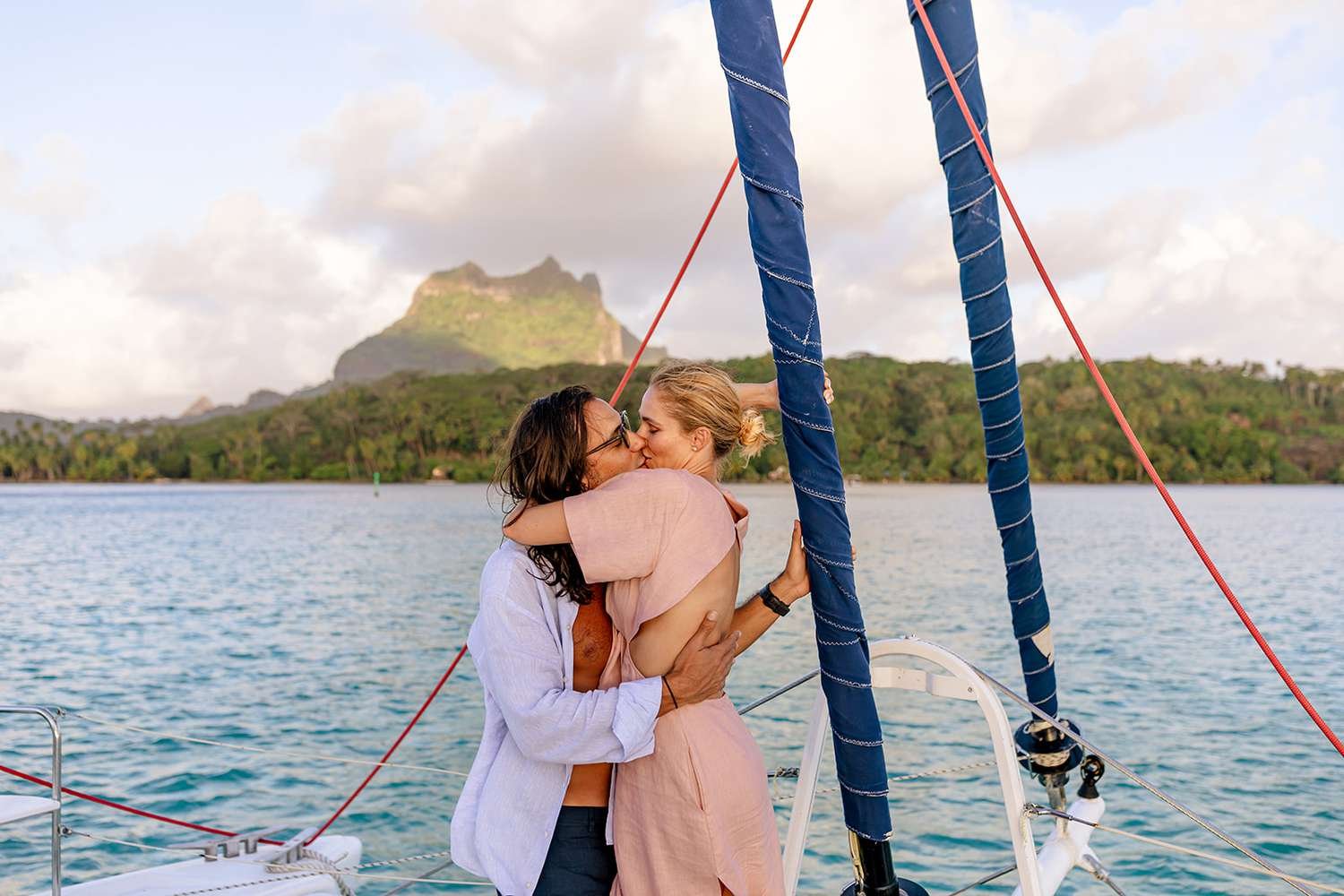
Picture this: crystal-clear turquoise water stretching out under a bright blue sky, a slim ribbon of white sand curving like a smile in the middle of the sea, and the dramatic silhouette of Mount Hibok-Hibok standing guard in the distance. That’s exactly what greeted me the first time I joined a full-day island hopping tour with snorkeling in Camiguin. I’d flown into the Philippines chasing something quieter than the usual Boracay crowds, and Camiguin delivered in spades. This isn’t just another boat ride—it’s a full immersion into the island born of fire, where volcanic history meets pristine marine life. If you’re planning your own adventure, stick around. I’ll walk you through every detail so you can make the most of it.

Why Camiguin Island Hopping Should Be on Your Bucket List

Camiguin’s full-day island hopping tour stands out because it packs two wildly different experiences into one unforgettable day. You get the iconic sandbar vibes of White Island and the world-class snorkeling at Mantigue Island, all without rushing. Unlike bigger destinations, here the boats are small, the groups intimate, and the reefs still feel untouched. I’ve done similar tours in Palawan and Siargao, but Camiguin’s combo of volcano views and marine sanctuaries hits different. It’s perfect for couples, solo travelers, or families who want beauty without the chaos.

Understanding Camiguin: The Island Born of Fire

Camiguin sits in Northern Mindanao, a tiny province shaped by seven volcanoes—hence the nickname “Island Born of Fire.” The last major eruption in the 1950s reshaped the landscape, leaving behind black-sand beaches on the main island and these magical offshore gems. This volcanic history created nutrient-rich waters that support thriving coral reefs, which is why the snorkeling here feels so alive.

Quick Geography and History

The main island measures just 64 square kilometers, making it easy to explore in a day or two. White Island lies off the northwest coast near Yumbing, while Mantigue (also called Magsaysay Island) sits about 3.5 kilometers off the southeast near Mahinog. Both are reachable by short bangka boat rides. Historically, Spanish colonizers left their mark with old churches and the famous Sunken Cemetery, but today the focus is pure nature. Locals run most tours with genuine pride, sharing stories of how the islands survived eruptions and typhoons.

The Main Stops on a Full-Day Island Hopping Tour

Most tours center on two highlights, sometimes adding a quick mangrove stop. The beauty lies in how different each feels—one exposed and dramatic, the other lush and underwater-focused. You’ll spend roughly equal time at each, with the boat captain adjusting for tides and weather.

White Island – The Iconic Sandbar Paradise

White Island is basically a living postcard. This horseshoe-shaped sandbar appears and shifts with the tides, offering powdery white sand and shallow, swimmable waters. No trees means full sun exposure, but the views of the mainland volcanoes make it worth the SPF. I spent an hour just floating in the shallows, watching the sandbar curve like a natural infinity pool. It’s ideal for photos, swimming, and that classic “I’m on a deserted island” feeling—minus the desertion on busy days.

Mantigue Island – Snorkeling Heaven

Mantigue flips the script completely. This 4-hectare forested island has a protected marine sanctuary on its southern side with healthy corals, colorful fish, and occasional sea turtles. The white-sand beach here has shade from trees, making it perfect for lunch and downtime. Snorkeling here blew me away—visibility often exceeds 20 meters, and the drop-off feels like an underwater cliff. One review I read called it “better than some paid marine parks,” and I couldn’t agree more.

Katunggan Mangrove Park – The Optional Bonus Stop

Some tours swing by Katunggan Mangrove Park near Mambajao for a quick paddle or walk along the Lovers’ Bridge. It’s a nice contrast to the open sea—think boardwalks through tangled roots and birdwatching. Not every itinerary includes it, but it adds a peaceful, educational touch if your schedule allows.

A Typical Full-Day Itinerary: From Dawn to Dusk

A standard full-day tour kicks off early to beat the heat and crowds. Here’s a realistic sample based on what I’ve seen and done:

TimeActivityDetails
7:00 AMHotel pickup in Mambajao or YumbingComfortable multicab or van
8:00 AMBoat to White Island5-10 minute ride
8:30–11:00 AMSwim, relax, photos on sandbarBring your own snacks
11:30 AMTransfer to Mantigue Island30-40 minute boat ride
12:00–2:30 PMLunch, beach time, snorkelingMarine sanctuary session
3:00 PMOptional mangrove stop or returnDepending on tour
4:30–5:00 PMBack to mainland, drop-offSunset views if timed right

This leaves buffer for weather or extra swimming. Private tours let you tweak times; group ones stick closer to the schedule.

Snorkeling in Camiguin: What to Expect Underwater

The snorkeling is the real star here. Gear is usually included or cheap to rent (around 100 PHP for mask and snorkel). At White Island, the reef wraps the sandbar—clownfish on one side, more structured corals on the other. But Mantigue steals the show with its sanctuary status. Expect parrotfish, angelfish, sea stars, and possibly green or hawksbill turtles. The water stays warm year-round, around 27-29°C, so no wetsuit needed.

Marine Life You’ll Encounter

Camiguin’s waters support vibrant ecosystems thanks to volcanic nutrients. You’ll likely spot schools of colorful reef fish, giant clams (some tours have a separate sanctuary stop), and healthy hard and soft corals. Turtles are a highlight—mantigue divers often see more than 20 on a single outing. Respect the rules: no touching, no standing on coral, and stick with your guide if you’re not a strong swimmer.

Costs and Booking Options: Private vs Group Tours

Budget-wise, expect to spend 2,500–4,000 PHP per person for a full day, depending on group size and inclusions. DIY is cheaper but more hassle. Here’s a quick breakdown:

  • White Island boat (up to 4 pax): 550 PHP + 50 PHP environmental fee/person
  • Mantigue boat (up to 6 pax): 750 PHP + 75 PHP fee/person + snorkel guide optional 300 PHP/group
  • Private full-day tour via Klook or local operators: Starts around 3,000–5,000 PHP/person (includes transfers, guide, some snacks)
  • Resort-packaged snorkel tour (e.g., Mantigue full day): Around 4,000 PHP including gear and lunch

Private tours give flexibility and fewer people; groups save money but mean sharing the boat.

Pros and Cons of Booking a Private Tour

Pros:

  • Personalized schedule and extra time at favorite spots
  • Smaller groups or just your party
  • Knowledgeable local guides who know the best snorkel spots

Cons:

  • Higher cost per person if traveling solo or as a couple
  • Need to book ahead during peak season

Pros and Cons of Group Tours

Pros:

  • Cheaper and easier to join last-minute
  • Meet fellow travelers

Cons:

  • Fixed times and potentially crowded boats
  • Less control over the pace

I prefer private for the snorkeling focus, but groups work great for budget travelers.

How to Prepare for Your Camiguin Island Hopping Adventure

Preparation makes the difference between a good day and an epic one. Book through reputable platforms like Klook or local operators with strong reviews. Confirm weather the night before—tides matter especially for White Island.

What to Pack and Wear

Pack light but smart: reef-safe sunscreen, water shoes for the sandbar (sharp bits hide in shallows), dry bag for phone and cash, swimsuit under quick-dry clothes, hat, and snacks or lunch. Leave valuables at your hotel. I once forgot water shoes and regretted it when the sand shifted.

Safety Tips and Best Practices

Life jackets are provided—wear them. Stick close to your boatman during snorkeling, especially if currents pick up. Hydrate constantly; the sun is no joke. Follow the “leave no trace” rule to keep these spots pristine for everyone.

Best Time to Visit and Weather Considerations

The dry season (December to May) offers the calmest seas and best visibility. February to April tends to be driest. June to November brings more rain, but short showers rarely ruin the whole day. Avoid peak holidays if you hate crowds. I went in March and had near-perfect conditions every time.

Real Traveler Stories: My Experience and Others’

I still smile thinking about my first Mantigue snorkel. A massive school of fish swirled around me like a living curtain while a turtle glided by unhurried. One couple I met on the boat had booked last-minute through a local and said it beat their Palawan expectations for value. Reviews on Tripadvisor echo this—people rave about the guides’ friendliness and the reefs’ health. Another solo traveler shared how the quiet of White Island at midday felt meditative after busy city life.

Pros and Cons of the Full-Day Island Hopping Tour

Pros:

  • Combines beach relaxation with top-tier snorkeling
  • Reasonable cost for the experience
  • Easy logistics with most hotels offering pickup

Cons:

  • Full sun exposure on White Island (bring shade options)
  • Limited food on the islands—pack extras
  • Weather-dependent (though operators reschedule fairly)

Overall, the pros far outweigh any minor drawbacks.

People Also Ask: Your Burning Questions Answered

How much does a full-day island hopping tour in Camiguin cost?
Expect 2,500–5,000 PHP per person depending on private or group and inclusions. DIY saves money but requires more planning.

Is Mantigue Island better than White Island for snorkeling?
Absolutely for underwater life. White Island offers nice reef swims too, but Mantigue’s sanctuary is next-level.

What should I bring for Camiguin island hopping?
Reef-safe sunscreen, water shoes, dry bag, snacks, cash, and a good camera or GoPro.

Can I do Camiguin island hopping as a day trip?
Yes, especially if you’re based in nearby Cagayan de Oro, but staying on-island lets you start earlier and relax more.

Is the tour suitable for beginners or kids?
Definitely. Life jackets and shallow areas make it family-friendly; guides adjust for skill levels.

FAQ

What if the weather turns bad on tour day?
Most operators offer rescheduling or partial refunds. Check forecasts and communicate early.

Do I need to know how to swim for snorkeling?
Not necessarily—life vests and guides keep everyone safe in shallow zones.

Are there restrooms or changing facilities on the islands?
Basic facilities exist on Mantigue; White Island is more rustic so plan accordingly.

Can I combine this with land tours?
Many packages add waterfalls or hot springs the next day, but keep island hopping separate for energy.

Is it worth it for solo travelers?
100%. You’ll meet people on the boat and the experience feels personal regardless.

Camiguin’s full-day island hopping tour with snorkeling isn’t just another checklist item—it’s the kind of day that resets your soul. The mix of volcanic drama, white-sand magic, and vibrant underwater worlds creates memories that linger long after you’re back on the mainland. Whether you book private or join a group, go with an open heart and plenty of sunscreen. You’ll leave with salt-kissed skin, a camera full of photos, and stories worth telling. Book your spot, pack your sense of adventure, and let Camiguin work its magic. Safe travels—you’re going to love it.

51 of the Best City Breaks in Europe for 2026

Europe never fails to deliver that perfect mix of history, culture, and effortless charm for a quick getaway. In 2026, with the Winter Olympics lighting up Milan and Cortina, Frankfurt shining as World Design Capital, and fresh Michelin guides popping up in places like Vilnius, the continent feels more alive than ever. Whether you’re chasing romance, food adventures, or just a weekend reset, these city breaks turn a short trip into something unforgettable. I’ve chased sunsets from Paris rooftops and shared laughs over cheap beer in Prague’s backstreets—trust me, 2026 is your year to book one.

Why Europe City Breaks Shine in 2026

Europe’s cities are hitting their stride right now, blending timeless appeal with new reasons to visit. Major events like the Olympics in Italy and sustainable initiatives across the north make 2026 feel fresh without the usual summer crowds in some spots. Affordable flights from hubs like Lahore via major European gateways mean you can jet off for three or four days and return recharged. The real magic? Every corner offers walkable streets, killer food, and stories waiting to unfold—perfect for anyone craving more than a beach holiday.

How to Plan Your Perfect 2026 City Break

Picking the right spot starts with your vibe—romance in Venice or buzz in Berlin? Factor in shoulder seasons like spring or fall for milder weather and lower prices. Budget airlines and Eurail passes make multi-city hops easy, while apps for local transit keep things stress-free. Pack light, book attractions ahead, and leave room for spontaneous cafe stops. A quick tip: check visa rules early if you’re coming from outside the EU—smooth entry means more time enjoying the views.

Northern Europe’s Cool Escapes

Northern cities deliver crisp air, design-forward vibes, and that hygge feeling that warms you from the inside. In 2026, they’re quieter than the south yet packed with festivals and outdoor adventures. Think fjords, saunas, and midnight-sun energy—ideal if you want scenery with your city fix.

Reykjavik, Iceland

Reykjavik’s compact size lets you soak in geothermal pools by day and chase northern lights by night. The 2026 calendar includes more eco-tours and whale-watching peaks. Grab a hot dog from a street stand and wander the colorful houses—pure refreshment after a long flight.

Oslo, Norway

Oslo mixes cutting-edge architecture with fjord views that steal your breath. New waterfront developments in 2026 make it even more walkable. Hit the Opera House for free rooftop views, then dive into the Munch Museum—feels like modern Scandinavia at its finest.

Stockholm, Sweden

Stockholm spreads across islands with Gamla Stan’s medieval lanes calling your name. Summer 2026 brings extra archipelago boat trips. Cycle through Djurgården or sip fika at a waterfront cafe; it’s effortlessly cool without trying too hard.

Copenhagen, Denmark

Copenhagen’s bike lanes and Nyhavn harbor scream postcard perfection. The design scene gets a boost in 2026 with pop-up exhibits. Rent a bike, explore Tivoli Gardens, and end with smørrebrød—simple pleasures done right.

Helsinki, Finland

Helsinki blends sea saunas with world-class galleries like Kiasma. Winter Olympics spillover adds festive energy nearby. Sauna culture here is non-negotiable; pair it with market hall bites for that authentic Finnish glow.

Tallinn, Estonia

Tallinn’s fairy-tale Old Town feels like stepping back centuries. Its digital nomad scene keeps it vibrant in 2026. Climb Toompea Hill for views, then hunt street art in Telliskivi—medieval meets modern in the best way.

Riga, Latvia

Riga’s Art Nouveau buildings and Central Market buzz with life. Affordable and underrated, it’s perfect for 2026 explorers. Stroll the old town, sample rye bread, and catch a free concert—value that punches above its weight.

Vilnius, Lithuania

Vilnius tops cheap-city lists again in 2026 with its Michelin buzz. Cobblestone streets and Gediminas Tower create magic. Lukiškės Prison turned arts hub is a must—edgy, walkable, and wallet-friendly.

Warsaw, Poland

Warsaw’s rebuilt Old Town pairs with cutting-edge creativity in 2026. Neon Museum and vintage shops shine. Polish pierogi and Vistula River walks make it a resilient, welcoming gem.

Bergen, Norway

Bergen’s mountains and Bryggen wharf feel storybook fresh. Funicular rides in 2026 offer unbeatable fjord panoramas. Rainy? Duck into a cozy cafe—Norway’s second city charms rain or shine.

Western Europe’s Timeless Charms

Western Europe packs romance, art, and food into every corner. 2026 sees lighter crowds in classics and new flights to gems like Lyon. From Eiffel Tower sparkle to canal cruises, these spots deliver that bucket-list hit every time.

Paris, France

Paris never gets old—2026 brings fresh dining scenes post-Olympics glow. Stroll the Seine, climb the Eiffel Tower at dusk, and indulge in a croissant that ruins all others. I once watched the city light up from Montmartre; pure magic.

London, UK

London’s mix of history and hype never slows. West End shows and Borough Market feasts await in 2026. Hop the Tube to Camden or the South Bank—endless energy with a pint at the end.

Amsterdam, Netherlands

Amsterdam’s canals and bikes make every turn picturesque. Van Gogh Museum and Vondelpark in spring 2026 feel alive. Rent a bike, cruise the waterways, and people-watch like a local.

Brussels, Belgium

Brussels blends EU buzz with chocolate heaven. Grand Place glows in 2026 evenings. Try mussels and fries, then hunt street murals—underrated and deliciously Belgian.

Bruges, Belgium

Bruges feels like a medieval movie set with its canals and swans. 2026’s quiet season highlights the Belfry views. Chocolate shops and boat rides create that fairy-tale escape.

Luxembourg City, Luxembourg

Luxembourg’s cliffs and old town surprise first-timers. Affordable luxury in 2026. Wander the casemates, grab a coffee overlooking the gorge—compact yet grand.

Zurich, Switzerland

Zurich’s lake and Alps backdrop scream relaxation. Chocolate and watch shops in 2026. Boat across the water or hike nearby hills—Swiss precision meets pure beauty.

Munich, Germany

Munich’s beer gardens and Marienplatz buzz year-round. Oktoberfest echoes linger into 2026. English Garden strolls and museums balance the fun.

Hamburg, Germany

Hamburg’s ports and canals offer a gritty-cool alternative to Berlin. Miniatur Wunderland in 2026 draws crowds. Speicherstadt warehouses and Elbe views feel fresh.

Ghent, Belgium

Ghent’s canals and castle rival bigger neighbors but stay chill. Street art and breweries in 2026. Climb the Belfry, eat Belgian waffles—hidden-gem vibes all day.

Central Europe’s Heart and Soul

Central Europe mixes imperial grandeur with vibrant nightlife. 2026 brings thermal baths in Budapest and design nods in Prague. Affordable trains link them seamlessly for multi-stop adventures.

Prague, Czech Republic

Prague’s Charles Bridge and castle dominate skylines. Beer culture thrives in 2026. Old Town Square magic at night—romantic without the price tag.

Vienna, Austria

Vienna’s coffee houses and palaces feel regal yet relaxed. Ball season spillover in 2026. Waltz through Hofburg or sip melange—elegance on a plate.

Budapest, Hungary

Budapest’s Danube split and thermal spas heal the soul. 2026 spa upgrades shine. Chain Bridge lights and ruin bars—two cities, one unforgettable vibe.

Salzburg, Austria

Salzburg’s Mozart heritage and Alps views inspire. Sound of Music trails in 2026. Fortress funicular and old town lanes—soundtrack-worthy every step.

Bratislava, Slovakia

Bratislava’s castle overlooks the Danube with castle-town charm. Affordable eats in 2026. UFO tower views and wine tasting—surprisingly delightful.

Krakow, Poland

Krakow’s Main Square and Wawel Castle ooze history. Jewish Quarter stories in 2026. Pierogi feasts and market squares—warm Polish welcome.

Southern Europe’s Sunny Vibes

Southern sun, sea, and siestas define these breaks. 2026 Olympics boost Milan while Spain’s tapas scene stays hot. Beaches meet culture for that effortless Mediterranean glow.

Rome, Italy

Rome’s Colosseum and pasta call louder than ever. 2026 brings extra archaeological buzz. Throw a coin in Trevi Fountain—I did it twice and still crave more.

Barcelona, Spain

Barcelona’s Gaudí wonders and beaches mix perfectly. Sagrada Familia progress in 2026. Tapas crawls through Barri Gòtic—sun, sea, and style.

Madrid, Spain

Madrid’s Prado and Retiro Park fuel culture. Golden Triangle museums in 2026. Churros at midnight—live like a local till dawn.

Valencia, Spain

Valencia’s City of Arts and paella origins shine. Futuristic vibes meet old town in 2026. Beach days and Turia gardens—balanced and breezy.

Seville, Spain

Seville’s flamenco and Alcázar transport you. Spring ferias echo in 2026. Orange trees and tapas bars—pure Andalusian soul.

Lisbon, Portugal

Lisbon’s hills and trams offer postcard views. 2026 rooftop bars multiply. Pastel de nata and Tagus sunsets—effortless cool.

Porto, Portugal

Porto’s riverside port wine lodges invite tasting. Douro cruises in 2026. Ribeira district strolls—charming and unhurried.

Athens, Greece

Athens’ Acropolis glows at sunset. Street art boom in 2026. Plaka tavernas and Plaka walks—ancient meets vibrant.

Milan, Italy

Milan’s Duomo and fashion weeks peak with Olympics energy in 2026. Navigli canals for aperitivo. Design capital buzz—stylish and forward.

Florence, Italy

Florence’s Duomo and David statue inspire awe. Uffizi in 2026. Ponte Vecchio gelato stops—Renaissance romance.

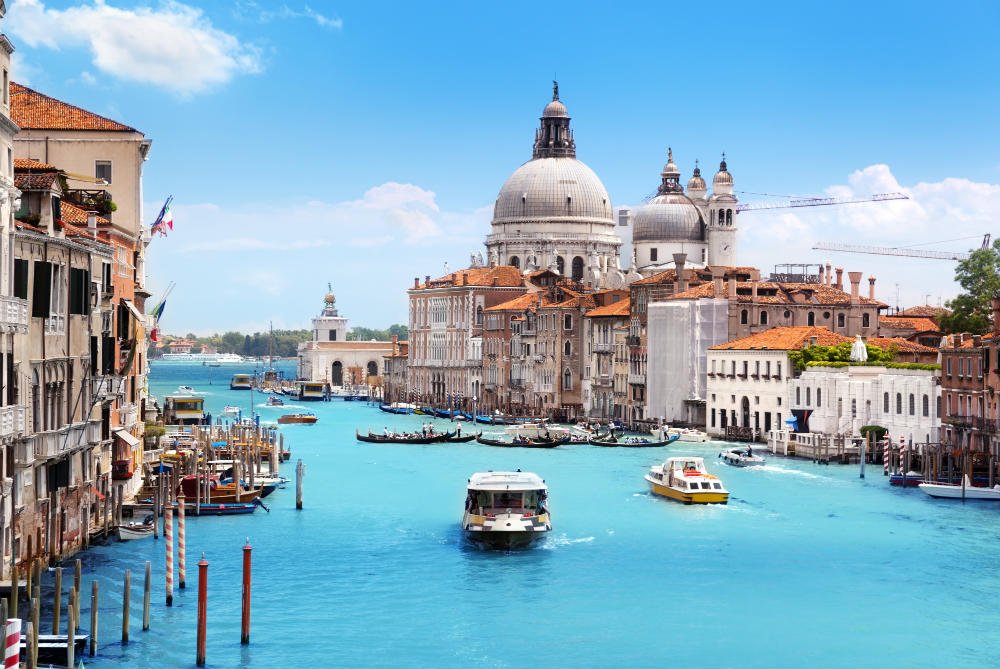
Venice, Italy

Venice’s canals and masks create dreamlike escapes. Biennale echoes in 2026. Gondola or mask shop—timeless wonder.

Naples, Italy

Naples’ pizza and underground tunnels pulse with life. 2026 street food scene thrives. Vesuvius views—raw Italian energy.

Nice, France

Nice’s Promenade and markets blend French-Italian flair. Mediterranean light in 2026. Beach clubs and old town—Riviera ease.

Lyon, France

Lyon’s food capital status grows with new openings in 2026. Traboules secret passages. Sausages and silk history—gastronomic heaven.

Eastern Europe’s Hidden Treasures

Eastern gems deliver value and surprise. 2026 sees creative revivals from Warsaw to Tbilisi influences. History, affordability, and warmth make them 2026 standouts.

Istanbul, Turkey

Istanbul straddles continents with mosques and bazaars. Michelin spots in 2026. Bosphorus ferry rides—exotic and electric.

Dubrovnik, Croatia

Dubrovnik’s walls and sea spark Game of Thrones vibes. Cable car views in 2026. Old Town walks—Adriatic jewel.

Split, Croatia

Split’s Diocletian’s Palace mixes Roman ruins with beach life. 2026 ferry hops easy. Riva promenade—coastal cool.

Sarajevo, Bosnia

Sarajevo’s Ottoman lanes and mountains heal post-history. Cafe culture thrives in 2026. Tunnel of Hope stories—resilient beauty.

Belgrade, Serbia

Belgrade’s nightlife and Sava River views energize. Fortress sunsets in 2026. Grilling and rakija—buzzy Balkan heart.

Comparison: Top City Breaks by Travel Style

Choosing gets easier when you match your mood. Here’s a quick side-by-side of standouts.

CityBest ForWeekend Cost (USD, approx.)ProsCons
ParisRomance & Culture800-1,200Iconic sights, foodCrowds, higher prices
BudapestWellness & Value400-700Spas, affordabilityLanguage barrier
BarcelonaBeach & Architecture600-900Gaudí, seaPickpockets
ReykjavikNature & Adventure900-1,300Saunas, landscapesWeather variability
LisbonViews & Vibes500-800Hills, affordabilitySteep streets

Pros and Cons: Decoding the Classics

Paris pros: endless romance and museums; cons: can feel touristy—go early mornings. Budapest pros: thermal baths for under $20; cons: some areas need navigation apps. Barcelona pros: beach right in the city; cons: summer heat—spring wins.

People Also Ask About European City Breaks

What are the cheapest city breaks in Europe for 2026?
Vilnius, Riga, and Krakow top lists with flights and stays under $500 round-trip from many hubs. Focus on Eastern Europe for value without skimping on charm.

How many days do you need for a European city break?
Three to four days hit the sweet spot—enough for highlights plus cafe lingering. Add a day for bigger spots like Rome or London.

When is the best time for city breaks in Europe?
Shoulder seasons (April-June or September-October) dodge peak crowds and prices while delivering mild weather. 2026 events make spring especially lively.

Are European city breaks good for couples?
Absolutely—Venice gondolas, Paris picnics, or Budapest baths create instant romance. Most spots cater to hand-holding strolls.

What should I pack for a European city break?
Comfortable walking shoes, a light jacket, and a power bank. Layers handle variable weather; skip the fancy—comfort wins.

FAQ: Your 2026 City Break Questions Answered

Is 2026 a good year for first-time Europe visitors?
Yes—events like the Olympics add energy without overwhelming smaller cities. Start with one or two spots to ease in.

How do I save money on European city breaks?
Book midweek flights, use city passes for attractions, and eat at markets. Eastern options stretch your budget further.

Can I combine multiple city breaks in one trip?
Easy with trains—Prague to Vienna or Lisbon to Porto. Eurail makes 2026 multi-city dreams affordable.

What about sustainability in 2026 city breaks?
Many spots like Gothenburg push green transport; choose eco-hotels and skip short flights where trains work.

Are there new must-see spots opening in 2026?
Frankfurt’s design hubs and Milan’s Olympic venues headline—check local tourism sites for tickets.