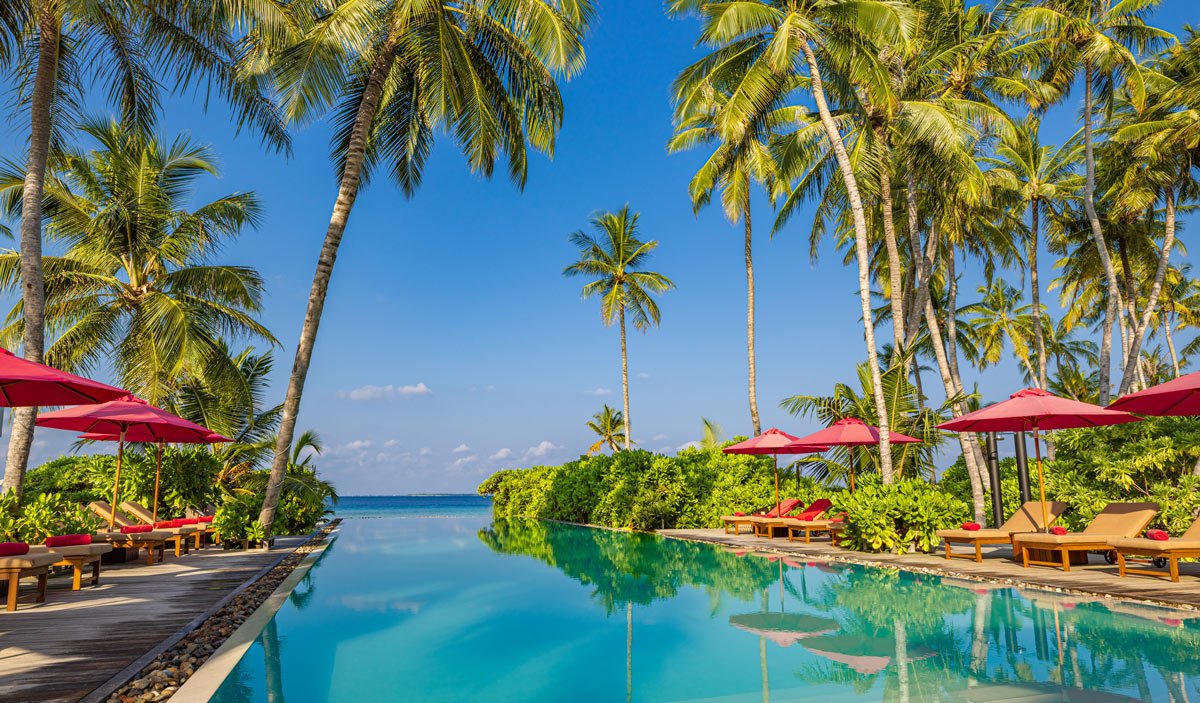
11 Locations for a Perfect City Break in Europe

Picture this: you step off a short flight or a smooth train ride, drop your bag at a charming boutique hotel, and within minutes you’re wandering cobblestone streets lined with centuries-old architecture, grabbing a fresh pastry or a glass of local wine, and soaking in views that feel straight out of a postcard. That’s the magic of a European city break. These compact, walkable escapes deliver history, culture, incredible food, and that “I can’t believe I’m here” feeling—all in just 2 to 4 days. No endless packing, no jet-lag marathons. Just pure, concentrated joy.

I’ve chased these weekends across the continent more times than I can count, from misty mornings in Prague to sunset strolls along the Danube. Each trip reminded me why Europe does short getaways better than anywhere else: efficient transport, compact centers, and that effortless blend of old-world charm and modern buzz. Whether you’re craving romance, history, foodie thrills, or just a quick reset, these 11 spots deliver the perfect city break every single time.

What Makes a City Break in Europe Perfect?

A great European city break ticks every box for a short escape: easy access, walkable streets that don’t exhaust you, world-class sights within a few hours, and enough cafés and parks to linger without feeling rushed. Spring and autumn (April–June or September–October) are goldilocks seasons—mild weather, thinner crowds, lower prices than peak summer. Shoulder-season flights and hotels often drop 20–40% compared to July and August. You’ll still get blue skies most days, but without the sweaty queues or sky-high costs. And the best part? Every one of these cities rewards slow wandering. You don’t need a packed itinerary; just good shoes and an open mind.

How to Plan Your Perfect European City Break

Start with your vibe: romantic strolls, art overload, food adventures, or history deep-dives. Budget-wise, expect €250–€550 per person for a 3-night mid-range trip (flights, hotel, meals, attractions) depending on the city—Eastern and Southern spots like Budapest or Lisbon stretch your money further. Book flights 2–3 months ahead on low-cost carriers like Ryanair or easyJet; trains via Eurail shine for nearby pairs (Paris–London via Eurostar, anyone?). Pack layers, comfy shoes for those inevitable cobblestones, and a portable charger—your phone will work overtime snapping photos. Download offline maps and city apps; they save more time than you’d believe. And always leave one evening unplanned. The best memories happen when you follow your nose to a hidden wine bar or street musician.

Comparing the 11 Perfect City Breaks

Before we dive deep, here’s a quick side-by-side to help you pick your match. I’ve pulled real traveler averages and 2026 highlights for context.

CityBest ForAvg. Cost (3 nights, mid-range, per person)Best SeasonSignature ExperienceWalkability
ParisRomance & iconic sights€450–€650Spring/FallEiffel Tower sunset picnicExcellent
RomeAncient history & pasta€400–€600Spring/FallColosseum at golden hourVery Good
BarcelonaArchitecture & beaches€380–€550Spring/FallSagrada Família + sea dipExcellent
AmsterdamCanals & culture€420–€620Spring (tulips)Canal boat at duskExcellent
LondonDiversity & museums€500–€700Any (indoor gems)Free world-class museumsGood
BerlinHistory & edgy vibes€350–€550Summer/FallStreet art & WWII sitesVery Good
PragueFairy-tale charm€300–€450Spring/FallCharles Bridge at dawnExcellent
BudapestThermal baths & value€280–€420Any (baths year-round)Széchenyi Baths soakVery Good
ViennaImperial elegance€380–€580Spring/FallCoffee house cultureExcellent
LisbonHills, fado & views€320–€480Spring/FallTram 28 ride + miradouro viewsGood (hilly)
EdinburghCastles & festivals€400–€600Summer (festivals)Edinburgh Castle & Fringe energyVery Good

Pros & Cons Quick Hits
Pros across the board: Short flights from most of Europe (and affordable connections from further afield), English widely spoken, cashless payments everywhere, and endless photo ops.
Cons to watch: Summer crowds and heat in Southern cities; winter rain in the North. Eastern Europe wins on price but has fewer direct long-haul flights.

1. Paris, France – The Eternal Romantic

Paris never fails to steal your heart on a short break. The City of Light packs the Eiffel Tower, Louvre, and Notre-Dame into a gloriously walkable core that feels custom-made for 72-hour escapes. I still get goosebumps remembering my first evening there—sitting on the Seine with a baguette and watching the tower sparkle at dusk. It’s pure magic.

Why Paris Shines for a Short Break

Everything is close. You can hit three major sights before lunch and still have time for people-watching in a café. The 2026 reopening of Musée de la Vie Romantique on Valentine’s Day adds extra romance.

Must-See Attractions

  • Eiffel Tower (skip-the-line tickets are non-negotiable)
  • Louvre and its Mona Lisa (go early or late)
  • Montmartre’s Sacré-Cœur for panoramic views
  • Seine river cruise at sunset

Where to Eat Like a Local

Skip tourist traps on the Champs-Élysées. Head to Le Marais for falafel or a classic bistrot steak-frites. Try Angelina for the world’s best hot chocolate—worth every calorie.

Best Places to Stay

  • Budget: Generator Paris hostel with rooftop views
  • Mid-range: Hotel du Louvre (steps from everything)
  • Splurge: Le Bristol for five-star Parisian luxury

Practical Tips for Your Visit

Buy a Paris Museum Pass if you’re hitting more than three sights. Wear comfortable shoes—those boulevards are longer than they look. And always say “bonjour” first; it opens doors (and smiles).

2. Rome, Italy – Eternal City Energy

Rome hits different on a city break. Ancient ruins sit shoulder-to-shoulder with gelato shops and buzzing piazzas. Post-Jubilee 2025, 2026 feels refreshingly calmer yet still electric. One friend described it as “stepping into a living history book with better food.” I couldn’t agree more.

Why Rome Shines for a Short Break

The historic center is compact. You can walk from the Colosseum to the Pantheon in under 30 minutes. La Città della Pizza festival in spring keeps the food scene buzzing.

Must-See Attractions

  • Colosseum and Roman Forum (book guided tour)
  • Trevi Fountain (toss a coin for luck)
  • Vatican Museums (early entry essential)
  • Spanish Steps at golden hour

Where to Eat Like a Local

Carbonara at Da Baffetto or supplì from street vendors. Avoid tourist menus—follow the locals to Trastevere for authentic cacio e pepe.

Best Places to Stay

  • Budget: The Beehive near Termini
  • Mid-range: Hotel Artemide with rooftop bar
  • Splurge: Hotel de Russie for garden oasis vibes

Practical Tips for Your Visit

Skip-the-line tickets save hours. Wear modest clothing for churches. And leave room in your stomach—Roman portions are generous.

3. Barcelona, Spain – Gaudi, Beaches & Vibes

Barcelona blends jaw-dropping architecture with Mediterranean beaches and tapas that’ll ruin you for life. The 2026 Gaudí centenary celebrations and solar eclipse in August make it extra special, but spring and fall remain ideal for shorter trips.

Why Barcelona Shines for a Short Break

You get culture by day and beach or nightlife by evening. The old town and Eixample are perfectly linked by metro or foot.

Must-See Attractions

  • Sagrada Família (book timed tickets months ahead)
  • Park Güell
  • La Rambla and Boqueria Market
  • Barceloneta beach for a quick dip

Where to Eat Like a Local

Patatas bravas at Bar Tomás or paella by the sea. Head to El Born for creative tapas.

Best Places to Stay

  • Budget: Hostel One Sants
  • Mid-range: Hotel 1898 on La Rambla
  • Splurge: Casa Fuster for modernist luxury

Practical Tips for Your Visit

Watch for pickpockets on crowded streets. Book Sagrada tickets online—queues are brutal otherwise.

4. Amsterdam, Netherlands – Canals, Culture & Cool

Amsterdam’s canals and bike-friendly streets make every corner feel like a postcard. WorldPride in summer 2026 adds extra sparkle, but the city shines year-round with museums and cozy brown cafés.

Why Amsterdam Shines for a Short Break

Everything is reachable by bike or boat. The compact center means zero wasted time.

Must-See Attractions

  • Rijksmuseum and Van Gogh Museum
  • Anne Frank House (tickets sell out fast)
  • Canal cruise at dusk
  • Vondelpark for picnics

Where to Eat Like a Local

Herring from street stalls or Indonesian rijsttafel. Try De Foodhallen for global street food.

Best Places to Stay

  • Budget: Flying Pig Hostel
  • Mid-range: Hotel Not Hotel
  • Splurge: Pulitzer Amsterdam on the canal

Practical Tips for Your Visit

Rent a bike—traffic rules are strict but easy once you learn them. Book museums online.

5. London, UK – World-Class Energy in One Weekend

London never sleeps and never bores. New cultural openings like the Museum of Shakespeare keep it fresh while free museums and parks make it surprisingly affordable.

Why London Shines for a Short Break

Tube and Overground get you everywhere fast. You can mix royal history with street markets effortlessly.

Must-See Attractions

  • British Museum and Tate Modern (both free)
  • Buckingham Palace changing of the guard
  • Tower of London
  • Borough Market for foodie heaven

Where to Eat Like a Local

Curry in Brick Lane or pie and mash in the East End. Rooftop bars in Shoreditch for views.

Best Places to Stay

  • Budget: Generator London
  • Mid-range: Premier Inn near attractions
  • Splurge: The Savoy for classic glamour

Practical Tips for Your Visit

Get an Oyster card or contactless payment. Walk the South Bank for epic Thames views.

6. Berlin, Germany – Raw History Meets Creative Pulse

Berlin’s layered past and thriving present create an unbeatable energy. Neighborhoods like Kreuzberg and Neukölln feel like different cities in one. The NBA game in January 2026 is just one reason 2026 feels exciting.

Why Berlin Shines for a Short Break

Affordable, huge variety, and excellent public transport. You can cover East vs West history in a single day.

Must-See Attractions

  • Brandenburg Gate and Reichstag
  • Berlin Wall Memorial
  • East Side Gallery street art
  • Tiergarten park

Where to Eat Like a Local

Currywurst from street stands or doner kebabs. Try Turkish or Vietnamese in Kreuzberg.

Best Places to Stay

  • Budget: Wombats City Hostel
  • Mid-range: Hotel Zoo Berlin
  • Splurge: Hotel Adlon Kempinski

Practical Tips for Your Visit

Buy a Berlin Welcome Card for transport and discounts. Wear layers—weather changes fast.

7. Prague, Czech Republic – Fairy-Tale Streets & Cheap Beer

Prague looks like it was built for Instagram. The medieval core, castle, and bridges create nonstop wow moments. It’s also one of Europe’s best-value city breaks.

Why Prague Shines for a Short Break

Compact and magical. You can see the highlights in two days and still have time for beer gardens.

Must-See Attractions

  • Charles Bridge at sunrise
  • Prague Castle
  • Old Town Square astronomical clock
  • Petrin Hill for views

Where to Eat Like a Local

Trdelník (chimney cake) and goulash with dumplings. Czech beer is world-class and cheap.

Best Places to Stay

  • Budget: Czech Inn
  • Mid-range: Hotel Metamorphis
  • Splurge: Four Seasons Prague

Practical Tips for Your Visit

Avoid peak hours on Charles Bridge. Book castle tickets online.

8. Budapest, Hungary – Baths, Views & Incredible Value

Budapest feels like two cities in one—Buda’s hills and Pest’s flat energy—joined by the Danube. Thermal baths are the ultimate city-break treat.

Why Budapest Shines for a Short Break

Stunning architecture, thermal spas, and prices that make you smile. Ruin bars add nightlife magic.

Must-See Attractions

  • Buda Castle and Fisherman’s Bastion
  • Széchenyi Thermal Bath
  • Parliament Building
  • Danube river cruise

Where to Eat Like a Local

Goulash and langos (fried dough). Ruin bars for craft beer and street food.

Best Places to Stay

  • Budget: Maverick City Lodge
  • Mid-range: Hotel Moments
  • Splurge: Four Seasons Gresham Palace

Practical Tips for Your Visit

Buy a Budapest Card for baths and transport. Bring a swimsuit.

9. Vienna, Austria – Coffee, Culture & Imperial Grace

Vienna’s palaces, coffee houses, and classical music heritage make every corner feel elegant. 2026 anniversaries (Mozart, museums) add extra sparkle.

Why Vienna Shines for a Short Break

Walkable, refined, and packed with free or low-cost culture. Coffee houses double as living rooms.

Must-See Attractions

  • Schönbrunn Palace
  • Hofburg and St. Stephen’s Cathedral
  • Belvedere for Klimt’s Kiss
  • Prater Ferris wheel

Where to Eat Like a Local

Sacher torte and Wiener schnitzel. Café Central or Sperl for people-watching.

Best Places to Stay

  • Budget: Wombat’s City Hostel
  • Mid-range: Hotel Altstadt Vienna
  • Splurge: Hotel Sacher

Practical Tips for Your Visit

Get a Vienna Pass for attractions. Dress up a little—Vienna appreciates elegance.

10. Lisbon, Portugal – Hills, Tiles & Ocean Breezes

Lisbon’s colorful tiles, steep hills, and Atlantic views create instant holiday mood. Trams, miradouros, and pastel de nata make it addictive.

Why Lisbon Shines for a Short Break

Hilly but rewarding. You get city energy plus easy beach access.

Must-See Attractions

  • Tram 28 ride
  • Belém Tower and Jerónimos Monastery
  • Alfama district
  • LX Factory for street art

Where to Eat Like a Local

Pastel de nata at Pastéis de Belém and fresh seafood. Fado music with dinner.

Best Places to Stay

  • Budget: Home Lisbon Hostel
  • Mid-range: Hotel Memmo Alfama
  • Splurge: The Editory

Practical Tips for Your Visit

Wear good walking shoes for the hills. Buy a Lisboa Card.

11. Edinburgh, Scotland – Castles, Festivals & Dramatic Views

Edinburgh’s castle looming over the city creates instant drama. Festivals, whisky, and literary history make it feel alive year-round.

Why Edinburgh Shines for a Short Break

Compact Royal Mile packs in history and views. Summer festivals turn it electric.

Must-See Attractions

  • Edinburgh Castle
  • Royal Mile walk
  • Arthur’s Seat hike
  • Holyrood Palace

Where to Eat Like a Local

Haggis, neeps and tatties or modern Scottish fare. Whisky tastings everywhere.

Best Places to Stay

  • Budget: Safestay Edinburgh
  • Mid-range: The Witchery
  • Splurge: The Balmoral

Practical Tips for Your Visit

Book festival tickets early if visiting August. Bring a rain jacket—weather is changeable.

People Also Ask About European City Breaks

What are the cheapest city breaks in Europe?
Prague, Budapest, and Lisbon consistently top value lists with great food and sights under €350 for three nights.

Is spring or fall better for a European city break?
Both crush summer crowds and prices. Spring brings flowers; fall brings golden light and harvest festivals.

How much does a weekend city break in Europe cost?
€250–€650 per person including flights from major hubs, depending on destination and travel style.

Which European city break is best for couples?
Paris and Venice (or Prague) win for romance, but Lisbon’s sunsets and Budapest’s baths are close runners-up.

What should I pack for a European city break?
Layers, comfortable shoes, a small daypack, power bank, and a reusable water bottle. Europe is walk-heavy!

FAQ: Your European City Break Questions Answered

Q: How many days do you need for a perfect city break?
Three full days (four nights) is ideal. Two days works if you’re laser-focused, but you’ll wish for one more.

Q: Are European city breaks suitable for solo travelers?
Absolutely. Every city on this list has safe, social hostels, walking tours, and café culture that welcomes solos.

Q: Should I book attractions in advance?
Yes—Colosseum, Sagrada Família, Anne Frank House, and thermal baths sell out weeks ahead.

Q: Can I combine two cities in one short break?
Easy! Paris + London (Eurostar), Vienna + Budapest (train), or Amsterdam + Brussels (Thalys) work beautifully.

Q: What’s the most underrated city on this list?
Budapest. The value, baths, and views still surprise even seasoned travelers.

Your perfect European city break is waiting. Whether you crave Paris romance, Roman ruins, or Budapest bubbles, these 11 destinations deliver unforgettable weekends without the overwhelm. Pack light, book smart, and go. The cobblestones, cafés, and castles are calling—and trust me, you’ll be planning your next one before you even land home. Safe travels!
The Most Relaxing City Breaks: Serene Urban Escapes That Let You Actually Unwind

I still remember stepping off the train in Vienna after a brutal work week, my shoulders knotted like old rope. Within an hour I was sitting in a sunlit café, sipping a melange while watching locals glide past on bicycles, and something in me just… exhaled. That’s the magic of a truly relaxing city break. It’s not about ticking off landmarks at breakneck speed. It’s about finding pockets of calm in the middle of urban life—places where the pace slows, the air feels cleaner, and your mind finally stops buzzing.

Why a Relaxing City Break Beats a Beach Holiday Every Time

Sometimes you need escape without the airport chaos or endless packing. City breaks deliver culture, great food, and creature comforts in a compact package, yet the right ones wrap you in quiet luxury. Think strolls along riverbanks instead of crowded beaches, spa days tucked between museums, and evenings that end with a glass of wine rather than last call at a noisy bar. These trips recharge you faster because they blend stimulation with stillness—no jet lag from long-haul flights, just gentle immersion.

How One Overworked Trip Changed How I Travel Forever

Back in 2022 I booked a “relaxing” weekend in Lisbon that turned into hill-climbing torture and late-night Fado bars. Lesson learned. Now I hunt for cities where slow living is baked in. My Porto river walk at dusk, Budapest thermal bath soak that melted three months of tension, and Bruges canal-side bench moment still rank as peak reset buttons. These spots taught me that relaxation isn’t lazy—it’s intentional.

What Actually Makes a City Break Relaxing?

Clean air, green space, low crowds in shoulder seasons, walkability, and wellness options top the list. Data from recent rankings backs this up: cities scoring high on parks, spas, sunshine, and happiness indices consistently deliver that “I could live here” feeling. Low traffic congestion and friendly locals seal the deal—no honking taxis or pushy vendors.

The Top 8 Most Relaxing City Breaks You Need on Your Radar

These picks blend real traveler feedback, liveability data, and my own boots-on-the-ground experience. Each one feels designed for unwinding, whether you have 48 hours or a long weekend.

Vienna, Austria: Europe’s Slow-Living Capital

Vienna consistently ranks among the world’s most livable and relaxing cities thanks to its pristine air, world-class museums, and café culture that encourages lingering. Locals treat parks and galleries like daily therapy, and the city’s eco-friendly policies keep everything feeling fresh and unhurried.

Signature Relaxing Experiences in Vienna

Spend an afternoon drifting between the Belvedere and Kunsthistorisches museums, then unwind with a classical concert in a historic hall. The Danube’s green belt offers perfect picnic spots, and the Prater’s giant Ferris wheel at sunset is pure magic without the theme-park frenzy.

Where to Stay for Maximum Calm in Vienna

Opt for boutique spots like the Hotel Sacher or quieter guesthouses in the 7th district. Many feature in-house spas and views over the Ringstrasse—book a room with a balcony so you can sip morning coffee while the city gently wakes up.

Porto, Portugal: Riverside Romance Meets Laid-Back Vibes

Porto topped quality-of-life charts for its affordable charm, mild climate, and easy access to the Douro River. Cobblestone streets invite slow wanders, port wine lodges offer tastings without pretension, and the Atlantic breeze keeps things refreshingly cool.

Signature Relaxing Experiences in Porto

Stroll the Ribeira district at golden hour, hop a rabelo boat for a gentle river cruise, or hike the coastal paths in nearby Foz do Douro. Evenings call for a glass of tawny port on a terrace overlooking the Dom Luís I Bridge—no rush, just views.

Where to Stay for Maximum Calm in Porto

The Yeatman or smaller riverfront inns in Vila Nova de Gaia deliver spa access and Douro vistas. Many include breakfast terraces where the only sound is seagulls and distant church bells.

Bath, England: Britain’s Ultimate Spa City Break

Bath’s Georgian architecture and natural thermal springs make it a wellness haven. Roman Baths, boutique spas, and rolling Somerset hills create a bubble of tranquility just 90 minutes from London by train.

Signature Relaxing Experiences in Bath

Soak in the Thermae Bath Spa’s rooftop pool overlooking the city, wander the Royal Crescent gardens, or take a gentle boat ride on the Avon. Afternoon tea at the Pump Room feels like stepping back in time—elegant yet effortless.

Where to Stay for Maximum Calm in Bath

The Gainsborough Bath Spa or smaller townhouses with private gardens let you unwind in period luxury. Many offer in-room massages and access to the city’s historic springs.

Bruges, Belgium: Fairy-Tale Canals and Chocolate Serenity

Bruges feels like a storybook that forgot to get loud. Its car-light medieval center, swan-filled canals, and chocolate shops invite leisurely exploration without the usual tourist crush once you step off the main square.

Signature Relaxing Experiences in Bruges

Rent a bicycle or simply wander the Begijnhof courtyard, visit the Minnewater for peaceful lake views, or indulge in a multi-course dinner that ends with handmade pralines. Even the horse-drawn carriages move at a relaxing clip here.

Where to Stay for Maximum Calm in Bruges

Romantic boutique hotels like the De Tuilerieën or canal-side guesthouses with fireplaces turn every evening into a cozy escape. Many include complimentary bicycles for exploring at your own pace.

Tallinn, Estonia: Baltic Gem Where Time Slows Down

Tallinn’s walled Old Town feels magically compact and calm, especially outside peak summer. Cobblestone lanes, medieval towers, and nearby forests deliver that rare mix of history and nature without overwhelming you.

Signature Relaxing Experiences in Tallinn

Climb Toompea Hill for panoramic views, wander the hushed alleys of the lower town, or ferry to nearby islands for forest walks. Evening saunas in the city’s modern spas complete the Nordic-style reset.

Where to Stay for Maximum Calm in Tallinn

The Three Sisters or smaller boutique inns inside the old walls offer quiet courtyards and excellent breakfasts. Many guests say they never want to leave the hotel garden.

Budapest, Hungary: Thermal Baths and Danube Tranquility

Budapest’s legendary thermal baths turn a city break into a full-body reset. The Danube splits the city into two charming halves, and the ruin bars somehow feel mellow rather than chaotic once you know where to go.

Signature Relaxing Experiences in Budapest

Spend half a day at Széchenyi or Gellért Baths, cruise the Danube at dusk, or hike the hills of Buda for city views. The thermal waters work wonders on travel-weary muscles.

Where to Stay for Maximum Calm in Budapest

The Corinthia or smaller Art Nouveau hotels near the baths provide spa access and elegant rooms. Many include breakfast buffets that fuel relaxed morning strolls.

Florence, Italy: Renaissance Beauty Without the Rush

Florence feels more intimate than Rome or Venice. Its compact center, riverside walks, and world-class gelato encourage slow appreciation rather than frantic sightseeing.

Signature Relaxing Experiences in Florence

Ponte Vecchio at sunrise, Boboli Gardens picnics, and quiet churches like Santa Croce deliver soul-soothing moments. Skip the big queues by visiting lesser-known museums in the afternoon.

Where to Stay for Maximum Calm in Florence

Oltrarno neighborhood boutique hotels or countryside villas a short taxi ride away offer gardens and fewer crowds. Many feature rooftop terraces perfect for sunset aperitivo.

Ljubljana, Slovenia: Europe’s Greenest Capital Escape

Ljubljana’s pedestrian-only center, dragon bridge, and riverside cafés create an almost village-like calm. Nearby lakes and mountains make day trips effortless and refreshing.

Signature Relaxing Experiences in Ljubljana

Boat rides on the Ljubljanica, castle funicular rides with zero effort, and market picnics using local produce keep things delightfully simple. The city’s green spaces feel like an extension of your hotel garden.

Where to Stay for Maximum Calm in Ljubljana

Riverside boutique hotels or eco-lodges just outside the center deliver peace without isolation. Many include bicycles and picnic hampers for guests.

San Diego, California: When You Crave Ocean Air in a City Setting

For those who want a non-European option, San Diego tops global relaxation rankings with its 266 parks, endless beaches, and wellness scene that makes every day feel like a mini-vacation.

Signature Relaxing Experiences in San Diego

Torrey Pines hikes, La Jolla Cove seal-watching, and spa days overlooking the Pacific deliver that perfect blend of nature and city perks. Even the zoo here feels more like a botanical garden.

Where to Stay for Maximum Calm in San Diego

Coastal resorts in La Jolla or boutique hotels in Little Italy offer ocean views and rooftop yoga. Many include wellness packages that turn your stay into a true retreat.

Comparing the Top Relaxing City Breaks at a Glance

CityBest ForAvg. Weekend Cost (per person)Best Time to VisitSignature Relax Factor
ViennaCulture & cafés€450–€650Spring or autumnClean air + museum therapy
PortoRiver views & wine€350–€550Year-round mildGentle pace + port tastings
BathSpas & history£400–£600Any seasonThermal waters
BrugesRomance & canals€400–€600Shoulder seasonsStorybook serenity
TallinnMedieval calm€300–€500Summer or winterWalkable old town
BudapestBaths & Danube€250–€450Spring or autumnThermal healing
FlorenceArt without crowds€500–€700Early autumnIntimate Renaissance beauty
LjubljanaGreen & affordable€250–€400SummerNature right in the city

Pros and Cons of Choosing a Relaxing City Break

Pros

  • Quick flights or trains from most European hubs
  • Mix of culture, food, and wellness in one compact area
  • Easier on the wallet than long-haul beach trips
  • Year-round appeal with shoulder-season deals

Cons

  • Peak summer crowds can sneak in if you don’t plan
  • Some cities (looking at you, Florence) still require early tickets for big sights
  • Weather can shift quickly in northern spots

People Also Ask About Relaxing City Breaks

What are the most relaxing city breaks in Europe?
Vienna, Porto, and Bath top most lists thanks to their blend of wellness, walkability, and calm atmospheres. They consistently score high on liveability and visitor happiness metrics.

Are city breaks cheaper than beach holidays?
Often yes—especially in shoulder seasons. You avoid resort mark-ups and enjoy better public transport and free or low-cost green spaces.

Which relaxing city break is best for couples?
Bruges or Florence win for romance, with canals, gelato, and intimate dinners. Book a canal-view room and watch the stress melt away together.

How do I keep a city break truly relaxing?
Limit your daily plan to two activities max. Build in spa time, long lunches, and unplanned wanders. Turn your phone notifications off—seriously.

Can I do a relaxing city break on a budget?
Absolutely. Ljubljana, Budapest, and Tallinn offer incredible value with free walking tours, affordable spas, and delicious street food that doesn’t break the bank.

FAQ: Your Burning Questions Answered

What’s the best time of year for relaxing city breaks?
Shoulder seasons (April–June or September–October) deliver milder crowds, pleasant weather, and often lower hotel rates.

Do I need a car for these trips?
Almost never. These cities shine on foot, by bike, or with excellent public transport—another reason they feel so stress-free.

How many days do I need for a proper relaxing city break?
Three full days work wonders. Enough time to settle in without feeling rushed.

Are these destinations family-friendly for relaxed trips?
Most are—Bath, Vienna, and Ljubljana especially welcome kids with parks, gentle activities, and family-oriented hotels.

What should I pack for maximum comfort?
Comfortable walking shoes, a light scarf or jacket for breezy evenings, and a reusable water bottle. Leave the fancy outfits unless you’re hitting a Michelin spot.

Your Next Relaxing City Break Starts Here

The beauty of these escapes lies in their simplicity: a good book, a comfortable bench, and zero pressure to “do” everything. Whether you choose Vienna’s café rhythm or Porto’s riverside glow, you’ll return home lighter, clearer, and already planning your next slow weekend away. Life moves fast enough—sometimes the most powerful thing you can do is choose to slow down on purpose. Pack light, book that ticket, and let the city do the rest. Your calmer self is waiting just a short flight away.

A Beginner’s Guide to Spirituality

Hey, if you’re here, something inside you is probably whispering that there’s more to life than the daily grind. Maybe it’s that quiet ache after a long day, or the way a sunset suddenly hits different lately. You’re not alone in wondering where to begin with spirituality. This guide is written for people exactly like you—curious, a little unsure, and ready to dip a toe into something deeper without the overwhelm. We’ll walk through what it actually means, how to start without fancy rituals, and why it might just change how you show up in your own life. No dogma, no pressure—just honest steps from someone who once felt as lost as you might right now.

What Is Spirituality?

Spirituality is simply the practice of connecting with something bigger than your everyday thoughts, worries, and to-do lists. It’s about tuning into that quiet inner voice or sense of wonder that reminds you life isn’t just bills, traffic, and scrolling. For many, it shows up as a feeling of peace when you watch the rain or hold someone’s hand a little longer. At its core, it’s less about believing in a specific god and more about recognizing the spark of meaning that makes you feel truly alive.

How Spirituality Differs From Religion

Spirituality and religion often get tangled up, but they’re not the same thing. Religion usually comes with structured rules, community rituals, and sacred texts passed down through generations. Spirituality, on the other hand, is deeply personal—you get to pick what resonates and leave the rest. Think of religion as a well-mapped road and spirituality as wandering a beautiful forest with no trail markers. Both can lead to the same sense of peace, but one feels like following a map while the other feels like discovering your own path.

Why Beginners Often Feel Drawn to Spirituality

Life has a funny way of nudging us toward spirituality right when everything feels chaotic. Maybe you’ve hit a wall at work, lost someone close, or just realized the weekend Netflix binge isn’t filling the emptiness anymore. That pull is normal—it’s your soul asking for more than surface-level living. Beginners usually start because they crave purpose, calm in the storm, or a gentler way to handle stress. The beautiful part? You don’t need to have it all figured out to begin.

Common Misconceptions About Spirituality

A lot of people picture spirituality as floating in lotus position chanting in robes or suddenly gaining superpowers. In reality, it’s far more grounded. It’s not about escaping life but meeting it with more presence and kindness. Another myth is that you have to be “woo-woo” or reject science—plenty of doctors, engineers, and parents practice it quietly every day. And no, you don’t need expensive crystals or retreats to get started. A simple walk outside can be plenty spiritual.

The First Steps on Your Spiritual Path

Starting feels intimidating until you realize the first step is just showing up as you are right now. No need to quit your job or move to the mountains. Begin by noticing your breath for sixty seconds or writing three things you’re grateful for before bed. These tiny actions create space for something bigger to unfold. The key is consistency over perfection—your journey will grow naturally once you stop waiting for the “perfect” moment.

Listening to Your Inner Voice

That nagging feeling or sudden hunch? That’s your inner voice trying to get your attention. Beginners often ignore it because modern life is loud, but pausing for two minutes a day to ask, “What do I really need right now?” can shift everything. Over time, you’ll trust it more than outside noise. It’s like turning down the radio to hear the GPS.

Setting Aside Quiet Time

Quiet time doesn’t mean total silence or meditation marathons. It can be five minutes with your morning coffee, no phone allowed. The goal is to let your mind settle so insights can surface. You might feel bored at first—that’s normal. Stick with it, and boredom often turns into a surprising sense of calm.

Essential Spiritual Practices for Beginners

Practices are where the magic happens because they turn ideas into lived experience. The best ones for beginners are simple, free, and fit into real life. Start with one or two that feel easy rather than forcing a dozen at once. You’ll be amazed how quickly small habits create big inner shifts.

Meditation Made Simple

Forget the pressure to clear your mind completely. Beginner meditation is just sitting comfortably and watching your breath for five minutes. Thoughts will come—gently bring your focus back. Apps like Insight Timer have free guided sessions that feel like a friend talking you through it. Within weeks, you’ll notice less reactivity to daily stress.

The Power of Gratitude Journaling

Gratitude journaling sounds basic until you try it. Each night, jot down three specific things that went well and why. It rewires your brain to spot goodness instead of problems. I started this during a tough patch and suddenly noticed my mood lifting even on gray days. It’s free therapy with a pen.

Connecting with Nature

Nature is one of the easiest spiritual teachers. Take a ten-minute walk without headphones and really look at the trees or sky. Feel your feet on the ground. Many beginners report feeling less alone after regular nature time because it reminds us we’re part of something vast and alive. No hiking boots required.

Mindful Breathing Exercises

When anxiety creeps in, try the 4-7-8 breath: inhale for four, hold for seven, exhale for eight. It’s a quick reset button that calms your nervous system instantly. Beginners love it because it works anywhere—at your desk, in traffic, or before bed. It’s like giving your body a mini vacation.

Building a Daily Spiritual Routine

A routine doesn’t have to be rigid or time-consuming. Maybe it’s five minutes of breathwork in the morning, a gratitude note at lunch, and a short evening reflection. The beauty is making it yours so it sticks. Over time, these pockets of presence become the highlight of your day rather than another chore.

Overcoming Common Challenges as a Newbie

Doubt will show up—maybe you’ll think “This is silly” or “I’m not doing it right.” That’s part of the process. The trick is to treat yourself with the same kindness you’d offer a friend learning something new. Distractions and busy schedules are normal too; just restart without self-judgment. Progress isn’t linear, and that’s okay.

Pros and Cons of Starting a Spiritual Journey

AspectProsCons
Daily StressReduces anxiety and brings calmInitial discomfort facing emotions
Sense of PurposeGives deeper meaning to everyday lifeCan feel vague until practices settle in
RelationshipsIncreases empathy and connectionMay shift some social circles
Time CommitmentFits into small pockets of the dayRequires consistency to see results
Personal GrowthBuilds self-awareness and resilienceOccasional emotional ups and downs

This simple table shows why so many beginners stick with it despite the early bumps.

Finding Your Unique Spiritual Path

Your path won’t look like anyone else’s, and that’s the point. Some people connect through prayer, others through art or music. Experiment without attachment to outcomes. If yoga feels good, lean in. If silent walks do it for you, perfect. The right path is the one that makes you feel more like your true self.

Tools and Resources to Support Your Journey

You don’t need much to begin, but a few trusted tools help. Books like The Power of Now by Eckhart Tolle or The Alchemist by Paulo Coelho are fantastic starting points. Free apps such as Calm or Insight Timer offer guided practices. Online communities on Reddit’s r/spirituality can provide encouragement without pressure. Start small and add only what feels supportive.

Real-Life Stories of Beginner Transformations

I remember my own early days vividly. Stuck in a dead-end job with constant anxiety, I tried meditation on a whim after seeing a friend’s post. Within a month, I was sleeping better and handling arguments without exploding. A colleague of mine started with daily nature walks after a breakup and found herself smiling again for no reason. These stories aren’t rare—they show that small, consistent steps create real change.

People Also Ask: Your Top Spirituality Questions Answered

What does it mean to be spiritual?
Being spiritual means living with awareness of something greater than material success—whether that’s love, nature, or inner peace. It shows up in how kindly you treat yourself and others.

How do I know if I’m on the right spiritual path?
You’ll know because it feels lighter, not heavier. If your practices bring more compassion and less judgment, you’re on track. Trust how it makes you feel day to day.

Can spirituality help with anxiety or depression?
Absolutely. Many beginners report lower stress levels and better emotional balance after consistent practices like breathwork or gratitude. It’s not a cure-all, but a powerful support tool alongside professional help.

Do I need to be religious to be spiritual?
Not at all. Plenty of people practice spirituality without any religious affiliation. It’s about your personal connection, not following rules.

What’s the quickest way for beginners to feel spiritual?
Try a five-minute gratitude list or mindful breathing right now. Quick wins build momentum faster than overthinking.

FAQ

How long does it take to see results from spiritual practices?
Most beginners notice small shifts—like better sleep or less reactivity—within two to four weeks of daily practice. Deeper changes unfold over months as habits become natural.

Is there a “wrong” way to practice spirituality?
As long as your approach respects yourself and others, there’s no wrong way. The only mistake is forcing something that doesn’t feel authentic to you.

Can kids or busy parents start a spiritual journey?
Yes! Short practices like family gratitude circles or bedtime breathwork work beautifully. Spirituality adapts to every life stage.

What if I lose motivation halfway through?
Totally normal. Revisit why you started or try a new practice. Treat it like learning any skill—some days are easier than others.

Are there free resources for beginners?
Tons. YouTube channels with guided meditations, library books, and free apps make starting accessible to everyone.

Your Spiritual Journey Awaits

You’ve already taken the most important step by reading this far. Spirituality isn’t about becoming someone else—it’s about remembering who you’ve always been beneath the noise. Start small, stay curious, and be gentle with yourself. The peace, purpose, and joy you’re seeking are already inside you, waiting for a little quiet space to shine through. Your journey is uniquely yours, and it begins right now, exactly where you are. Keep going—you’ve got this.